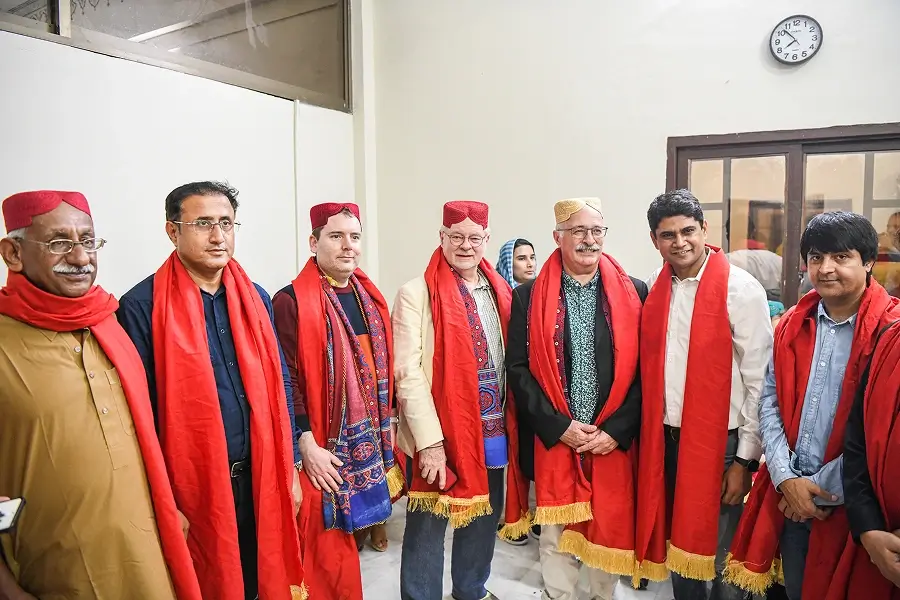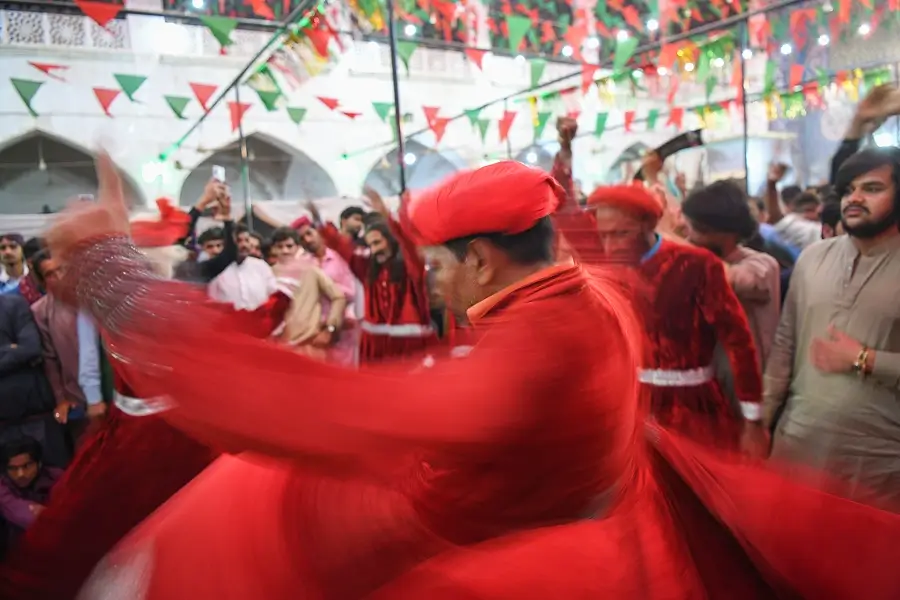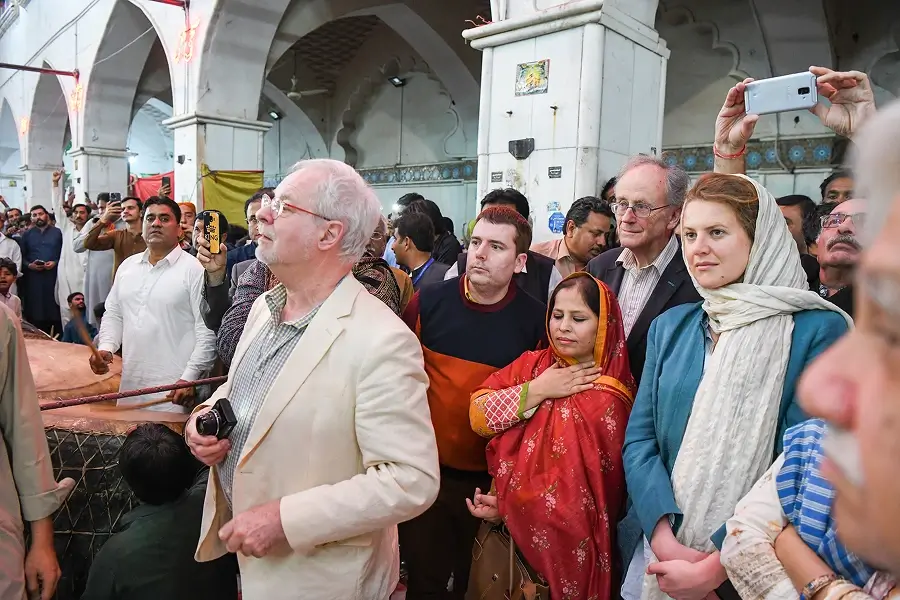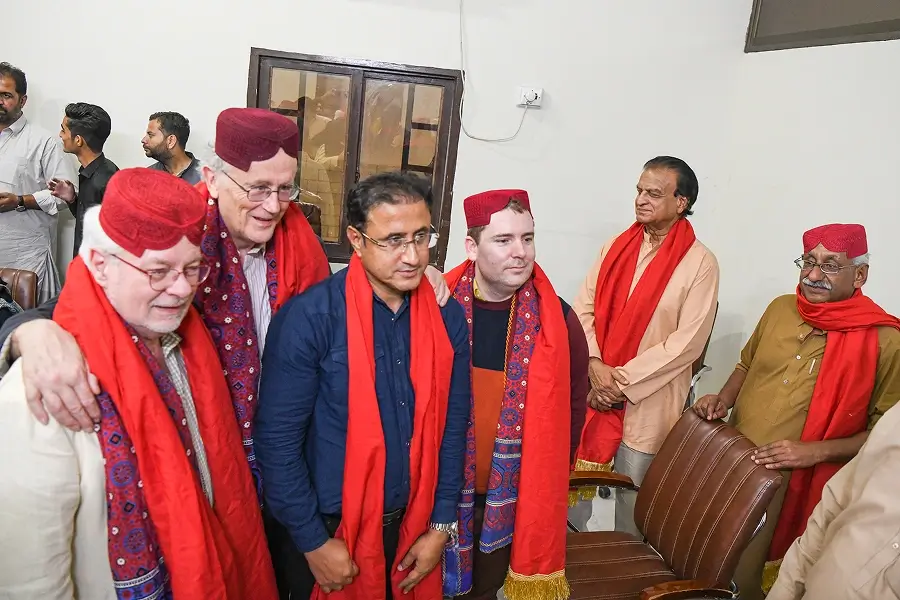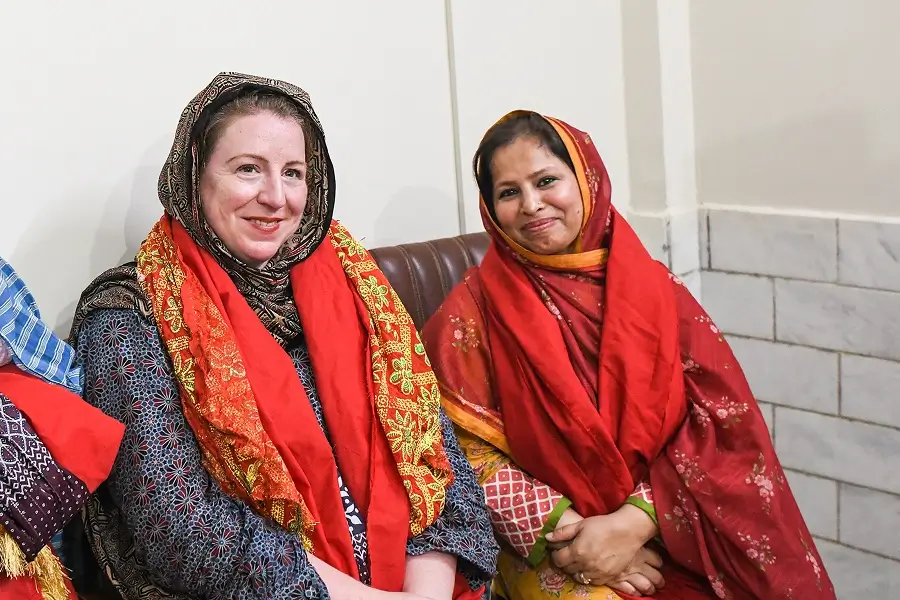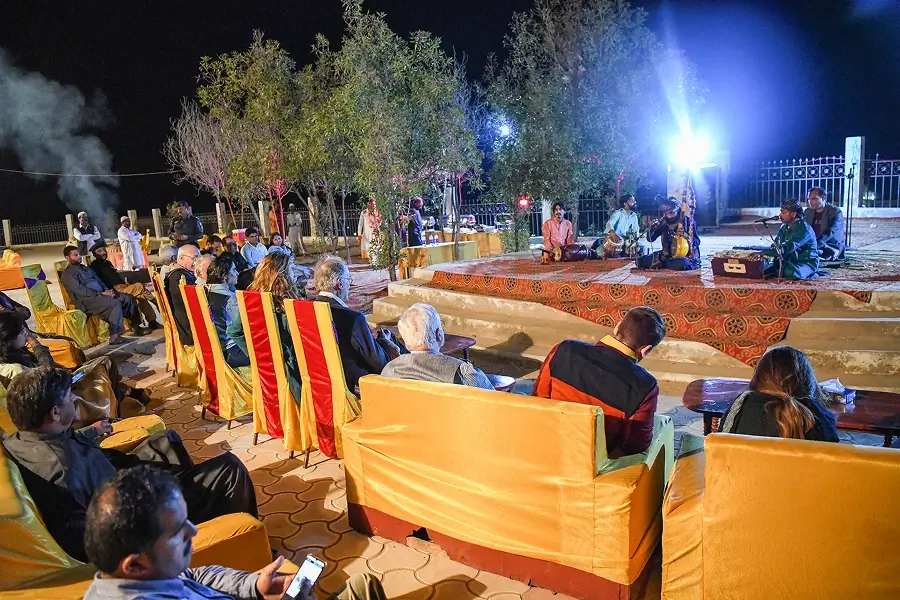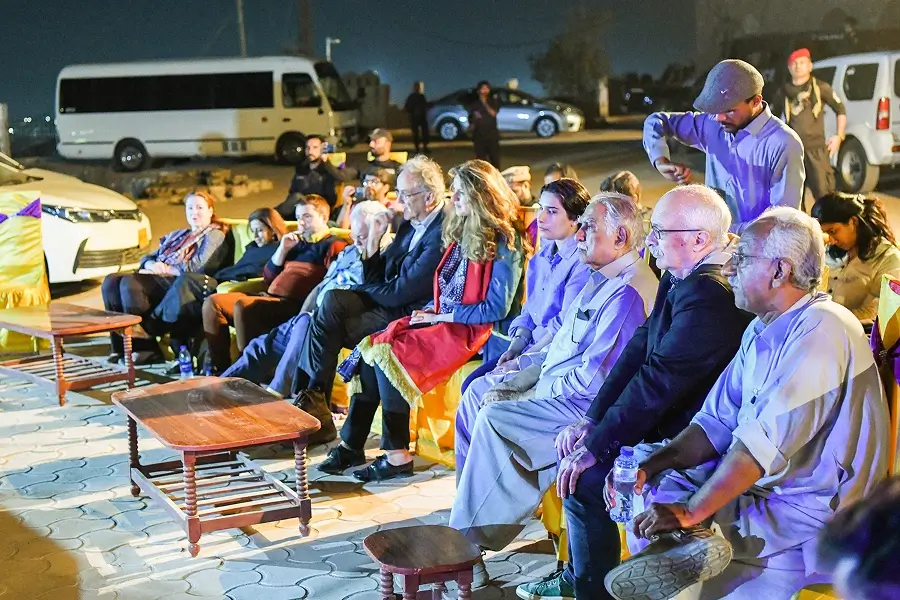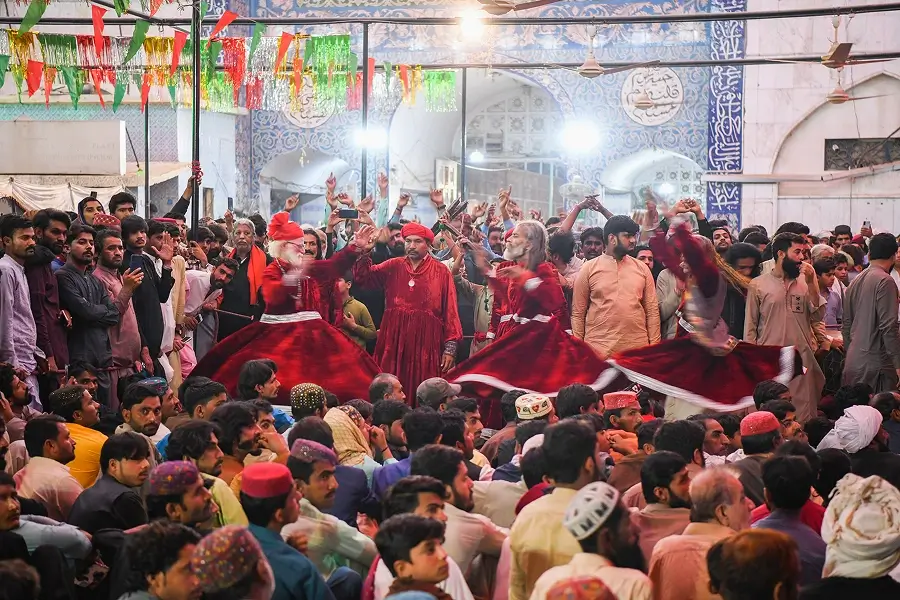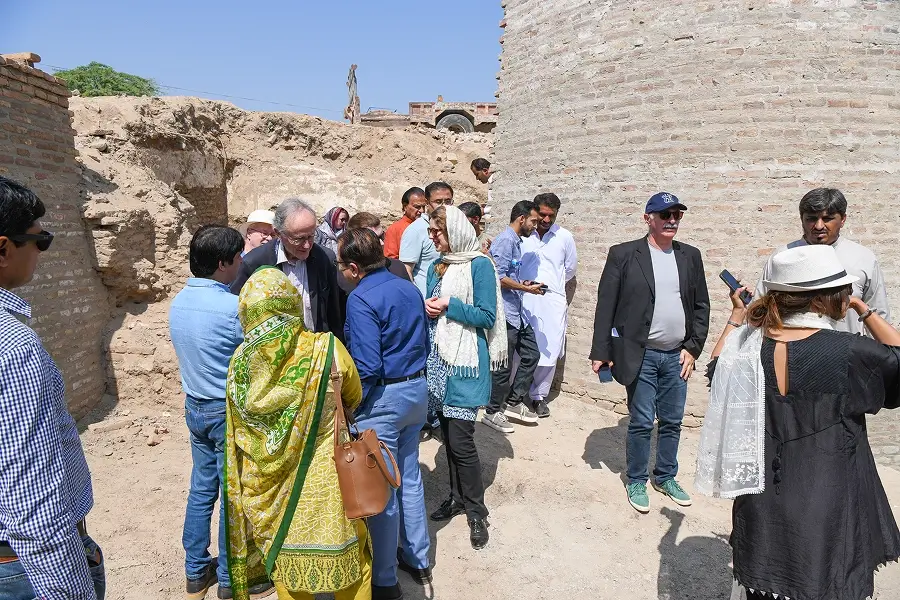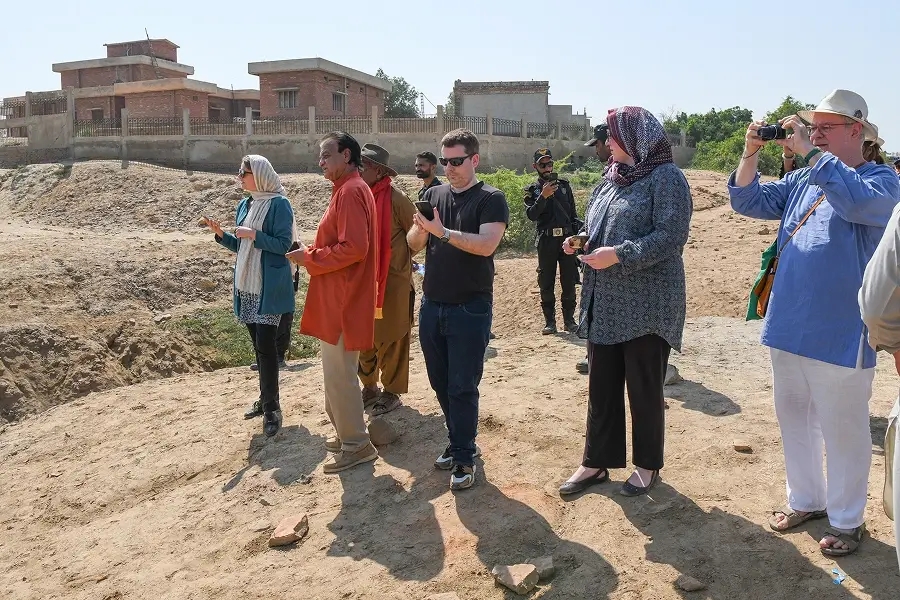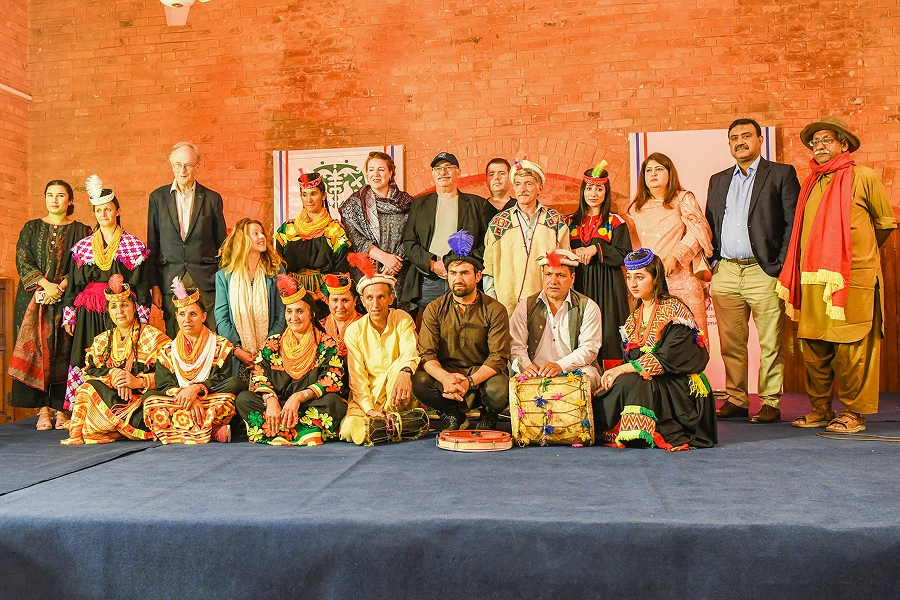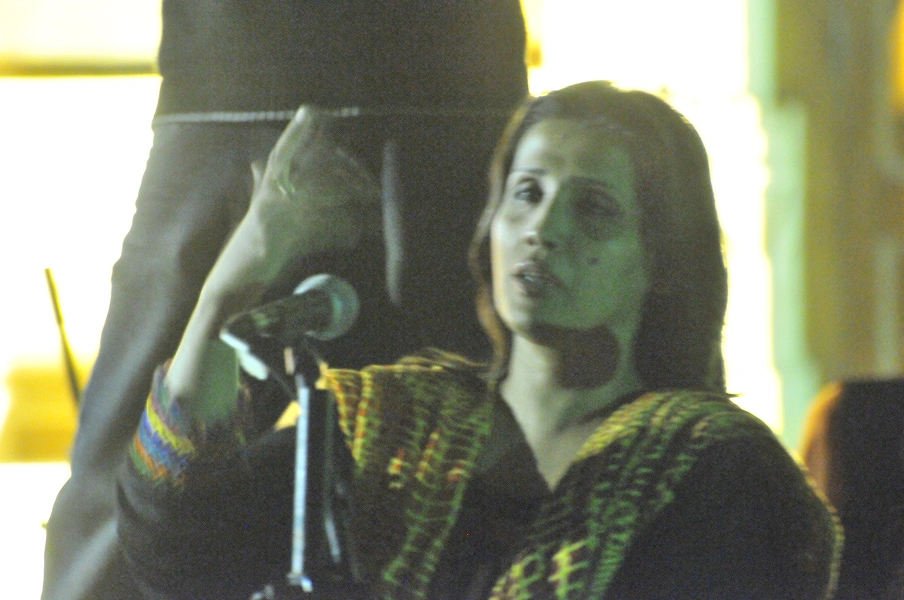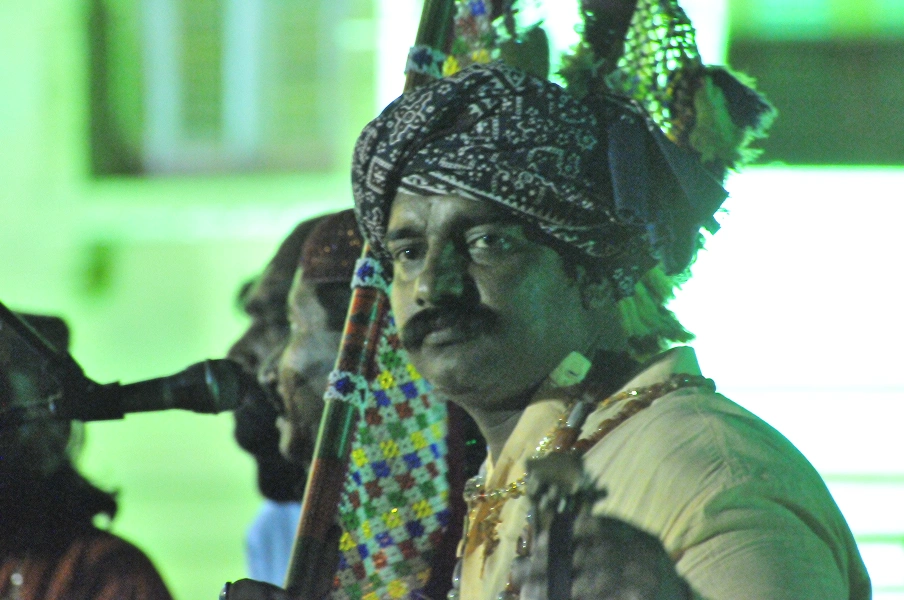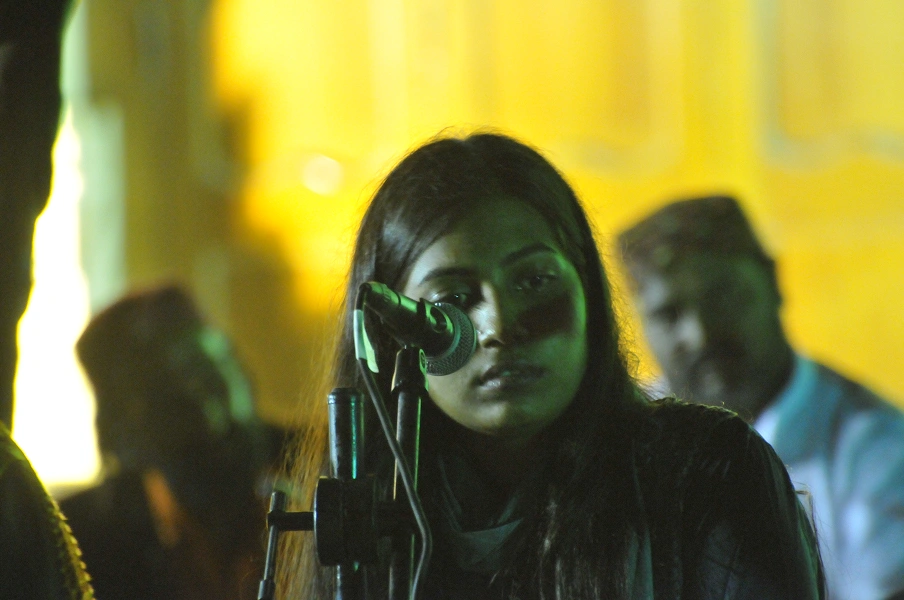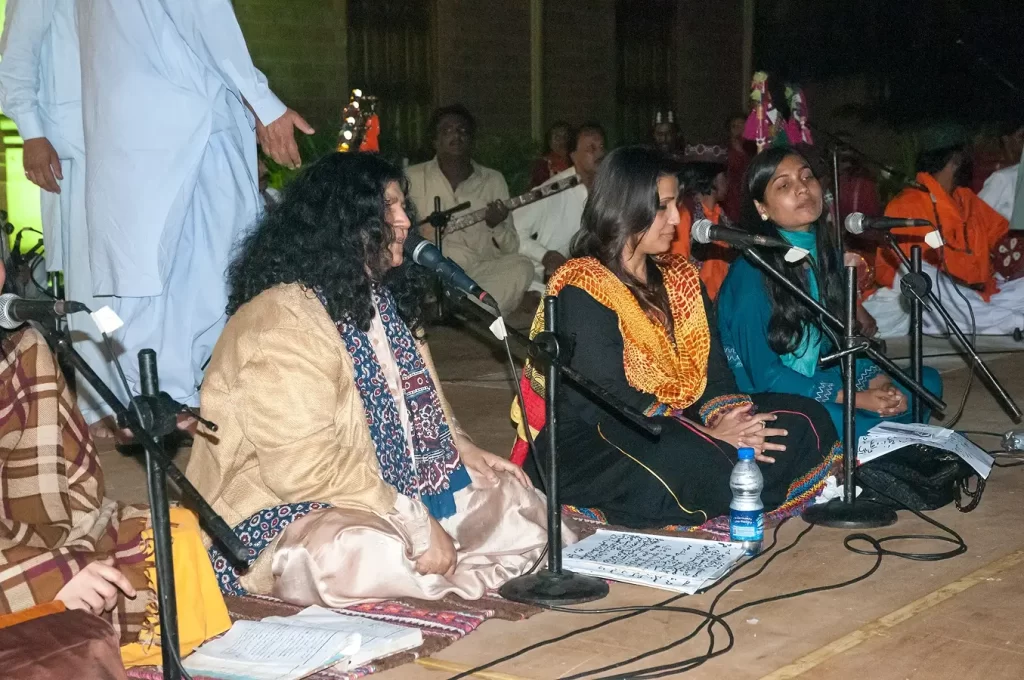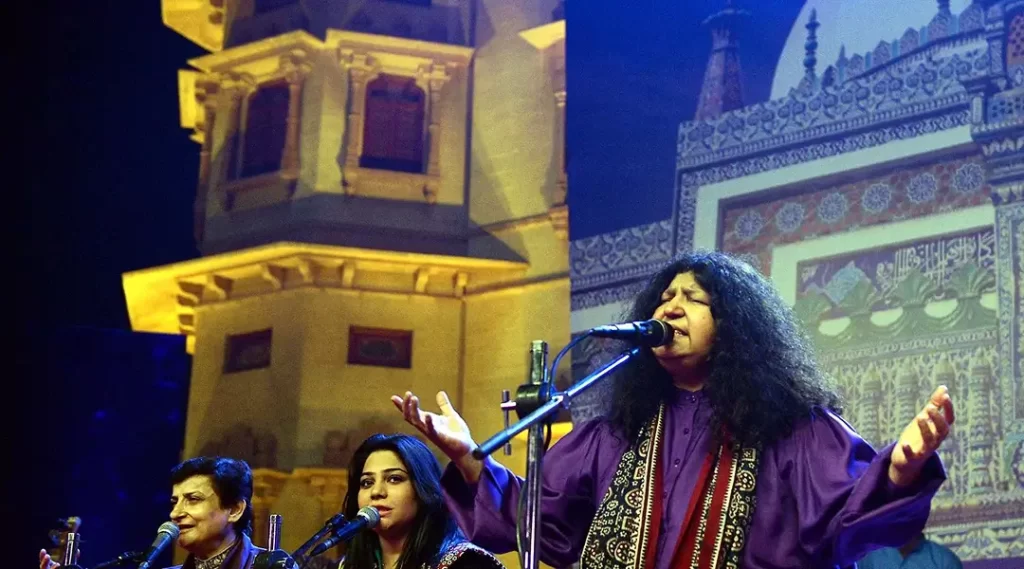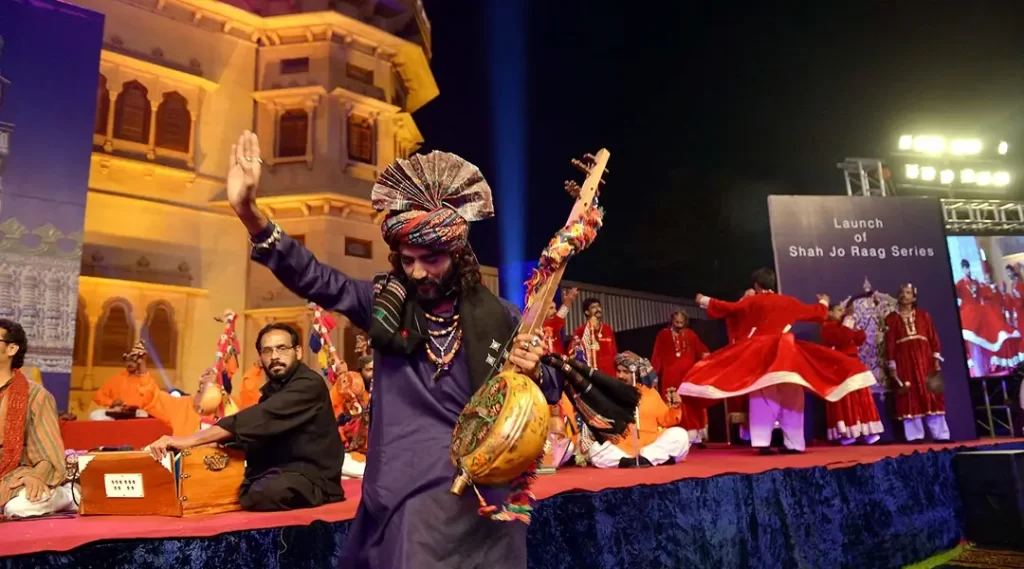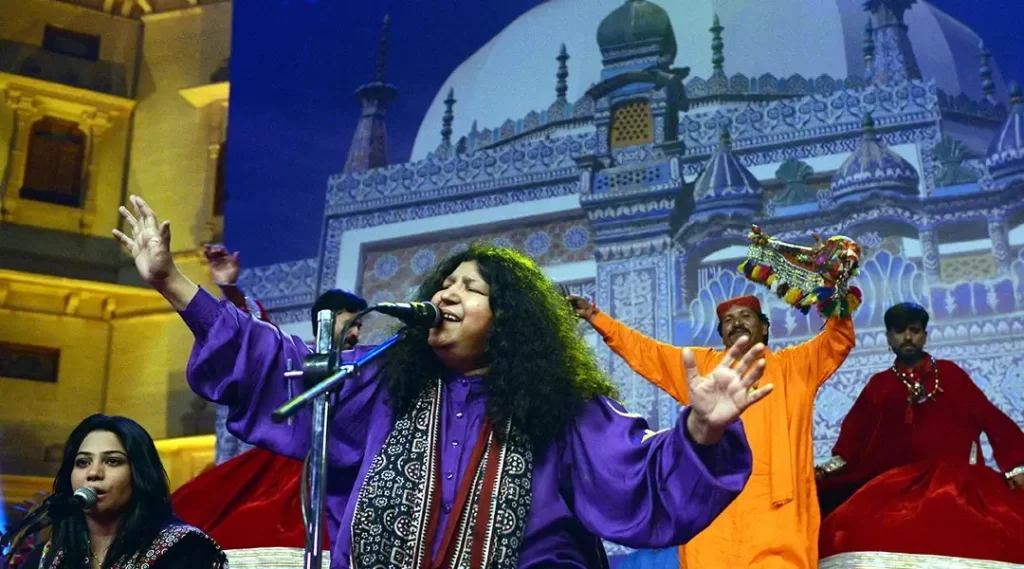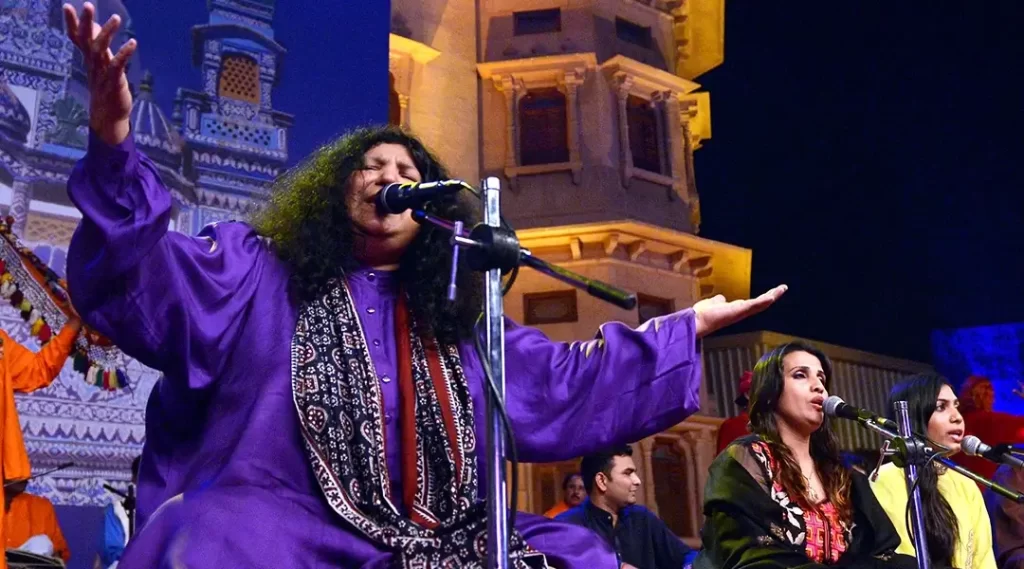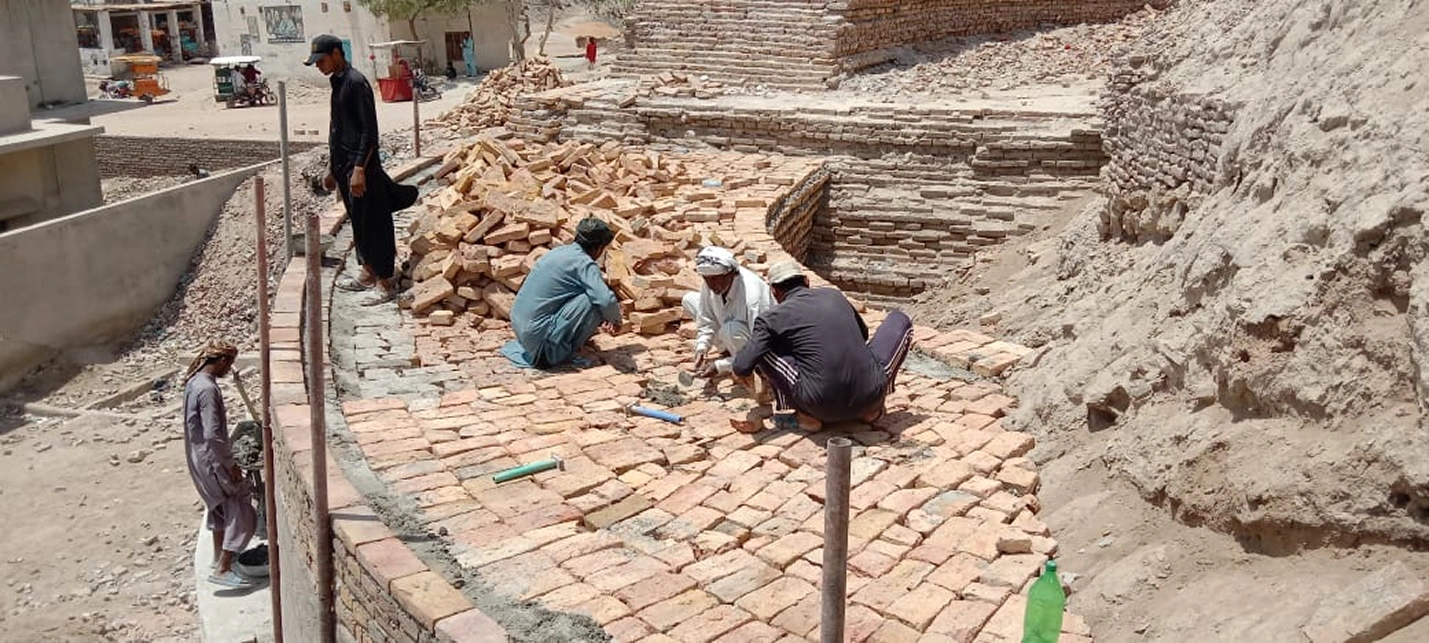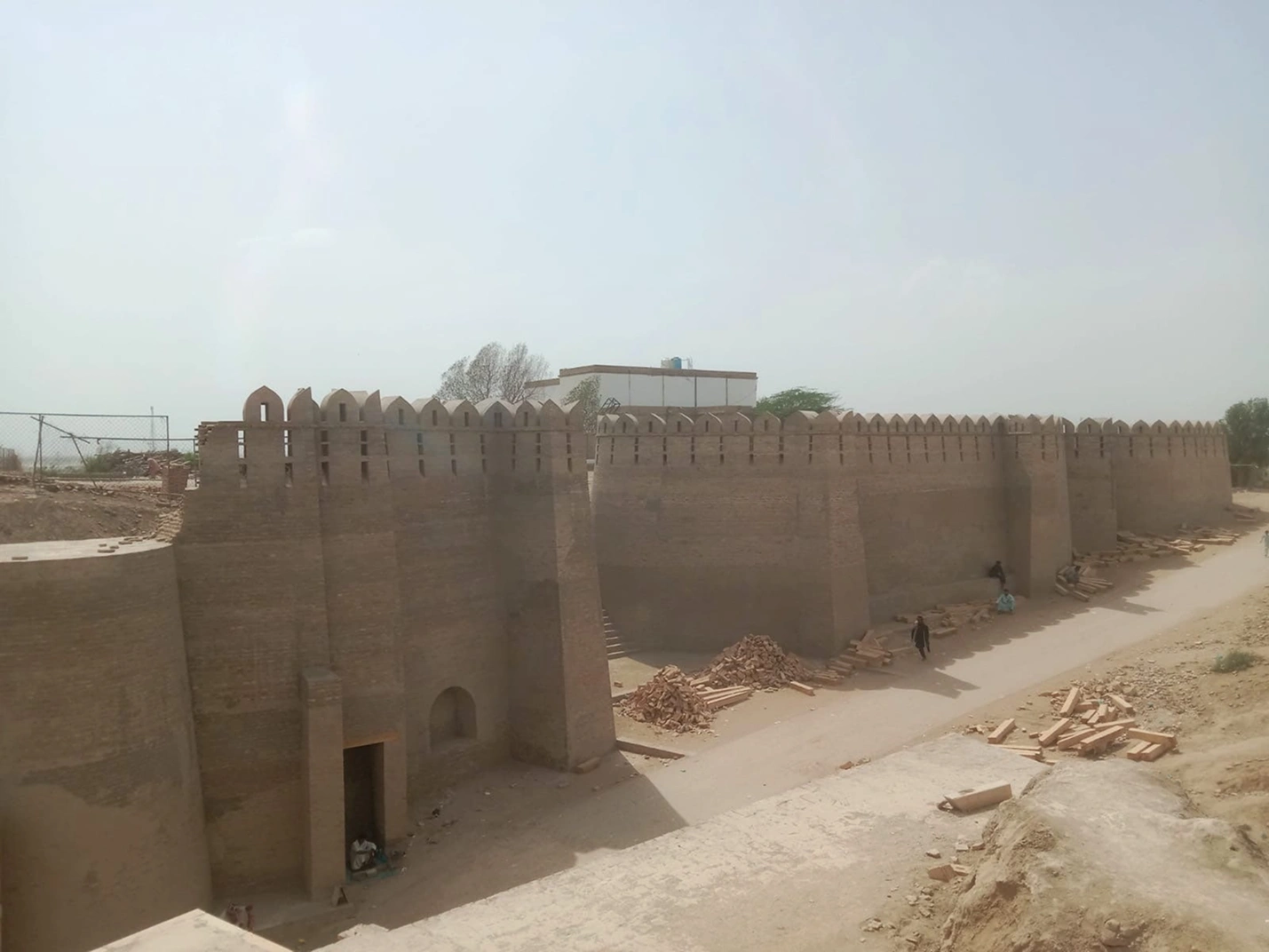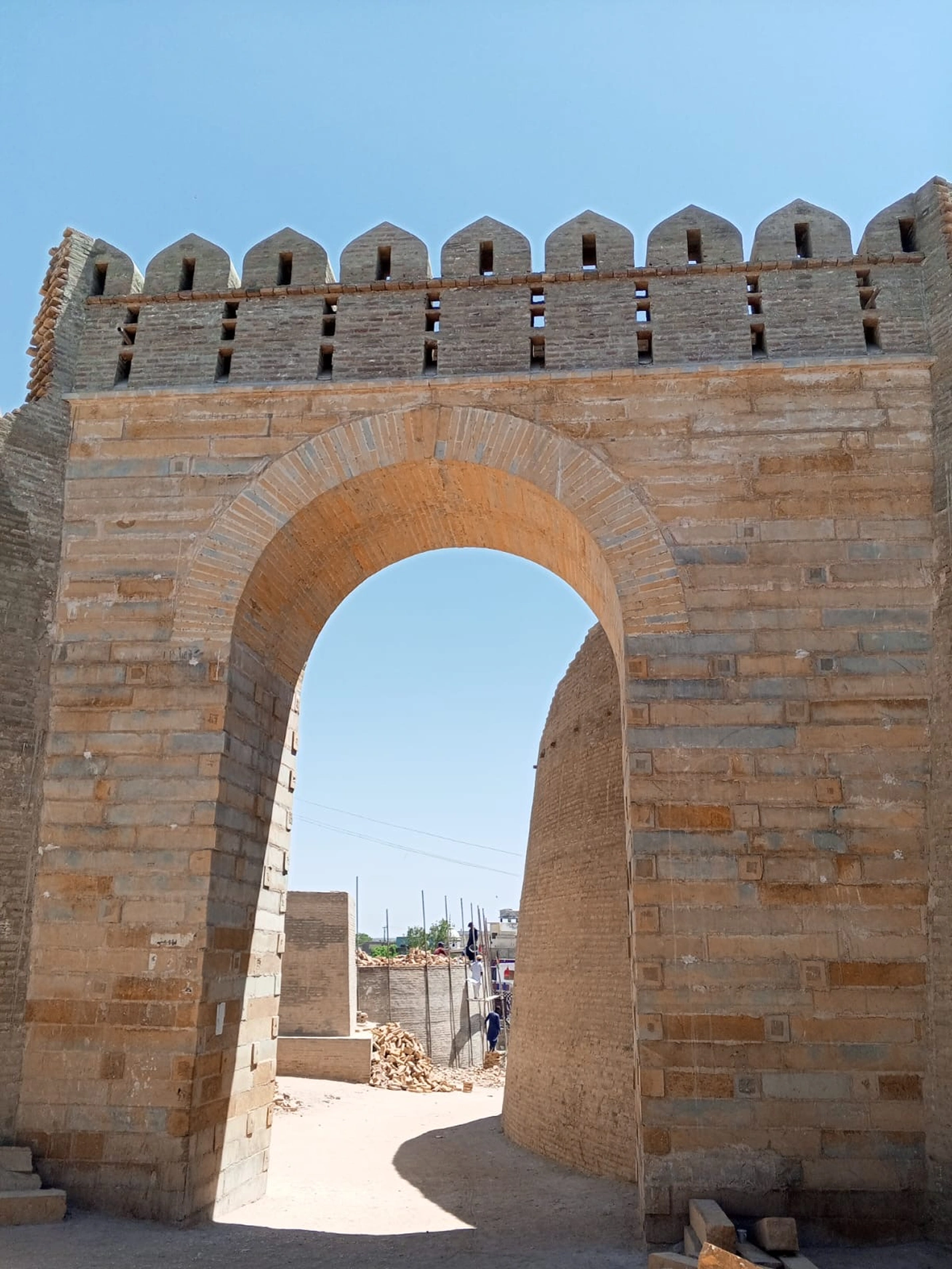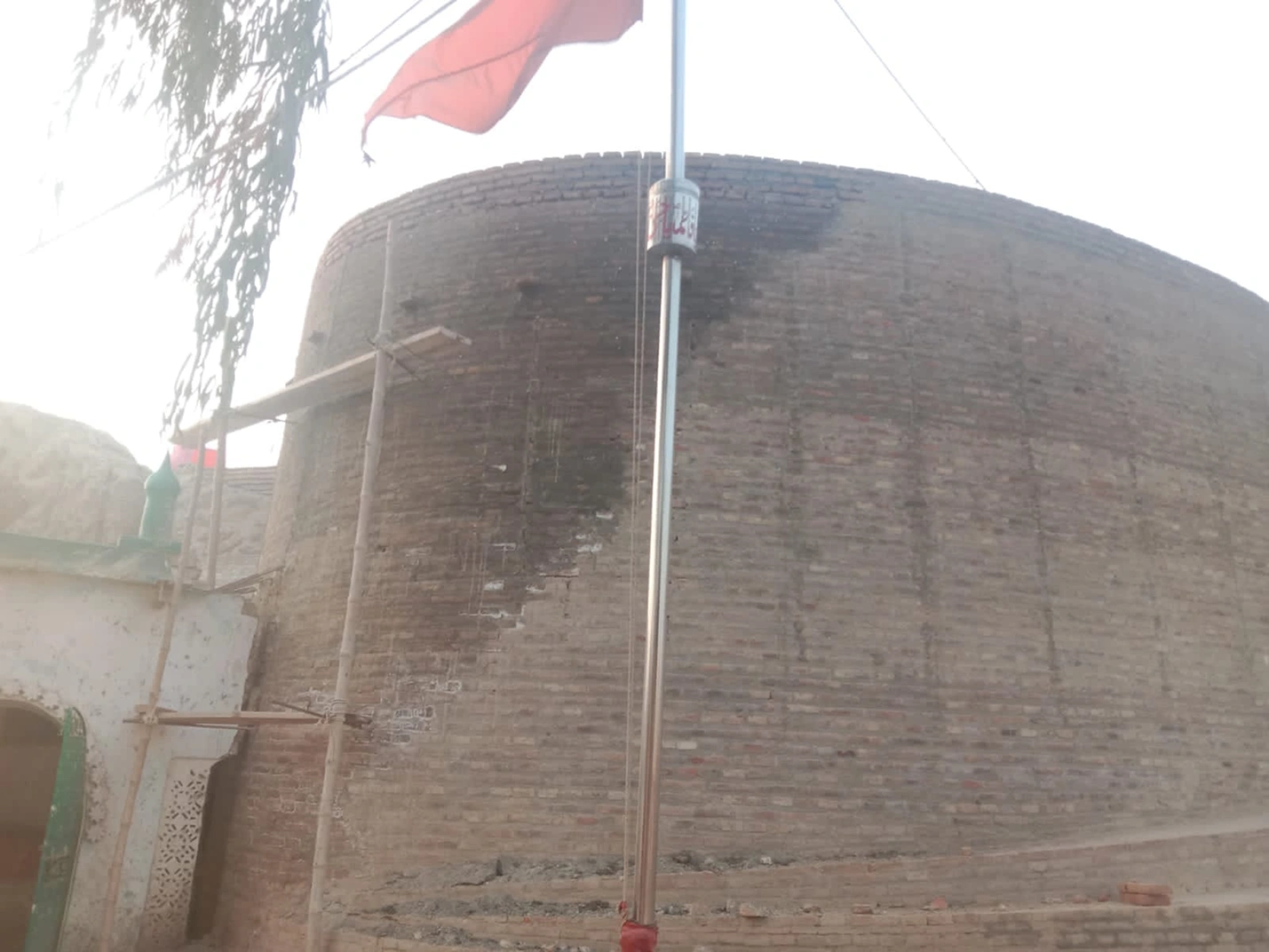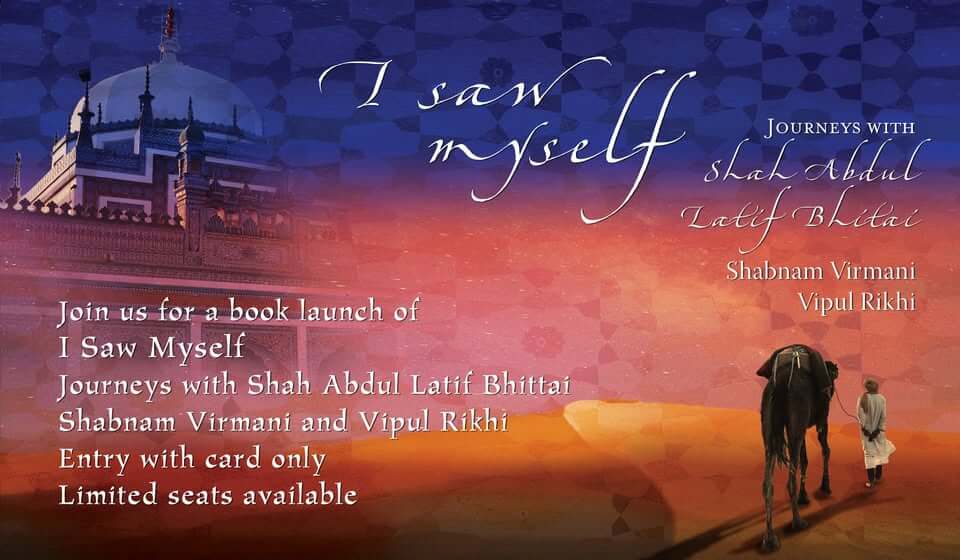

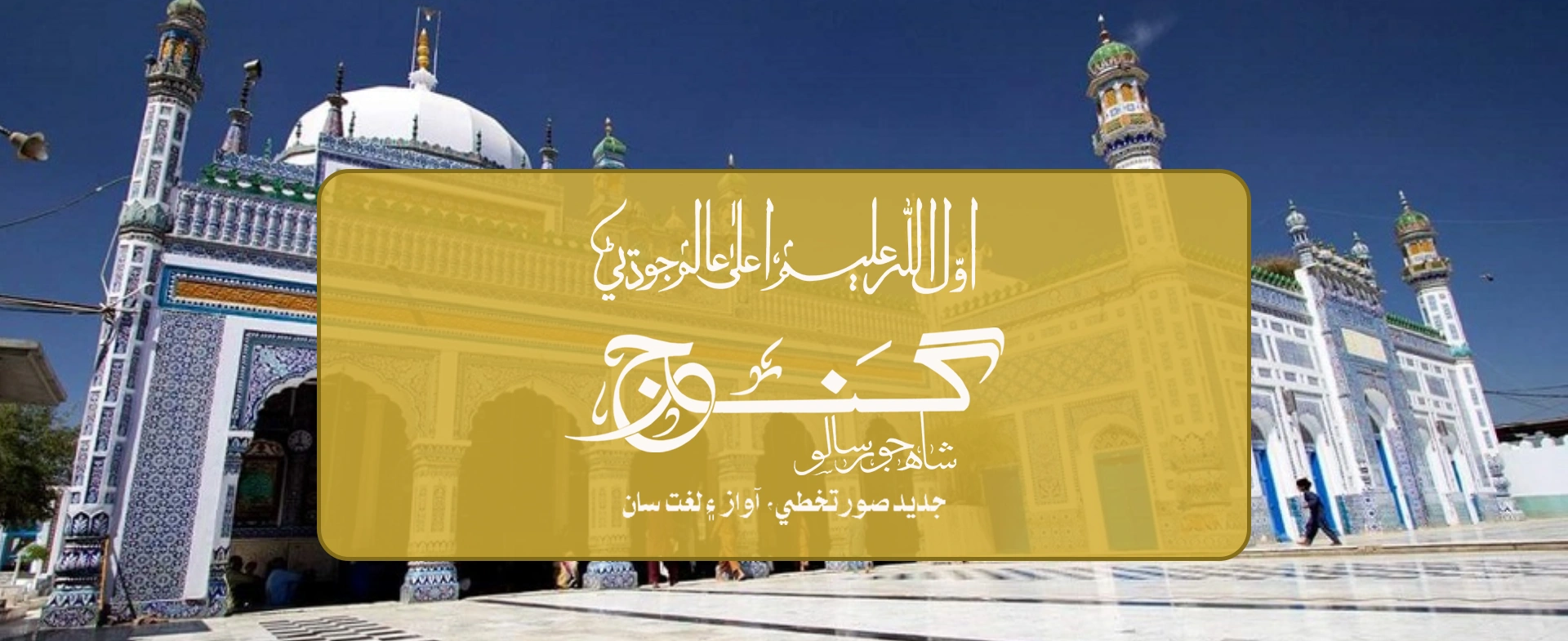
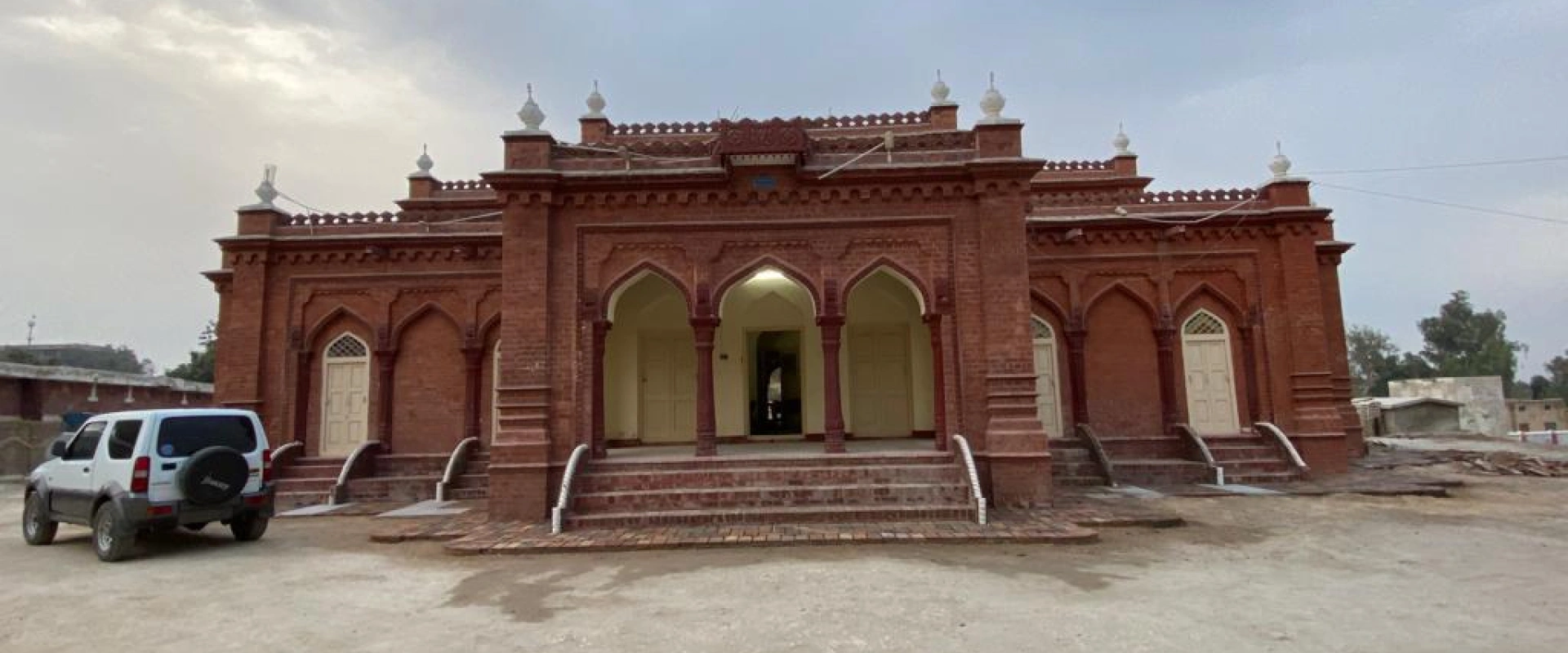
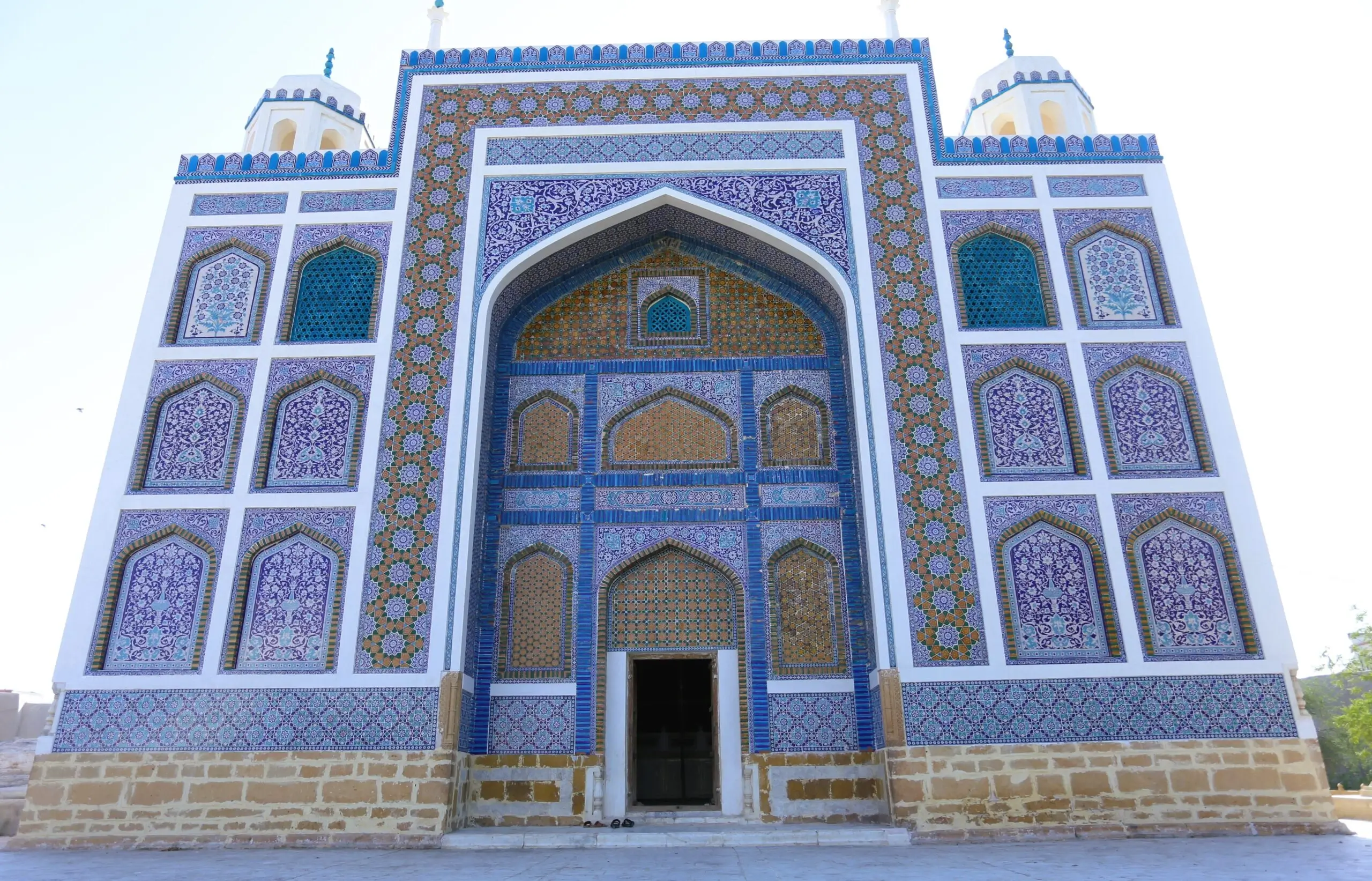
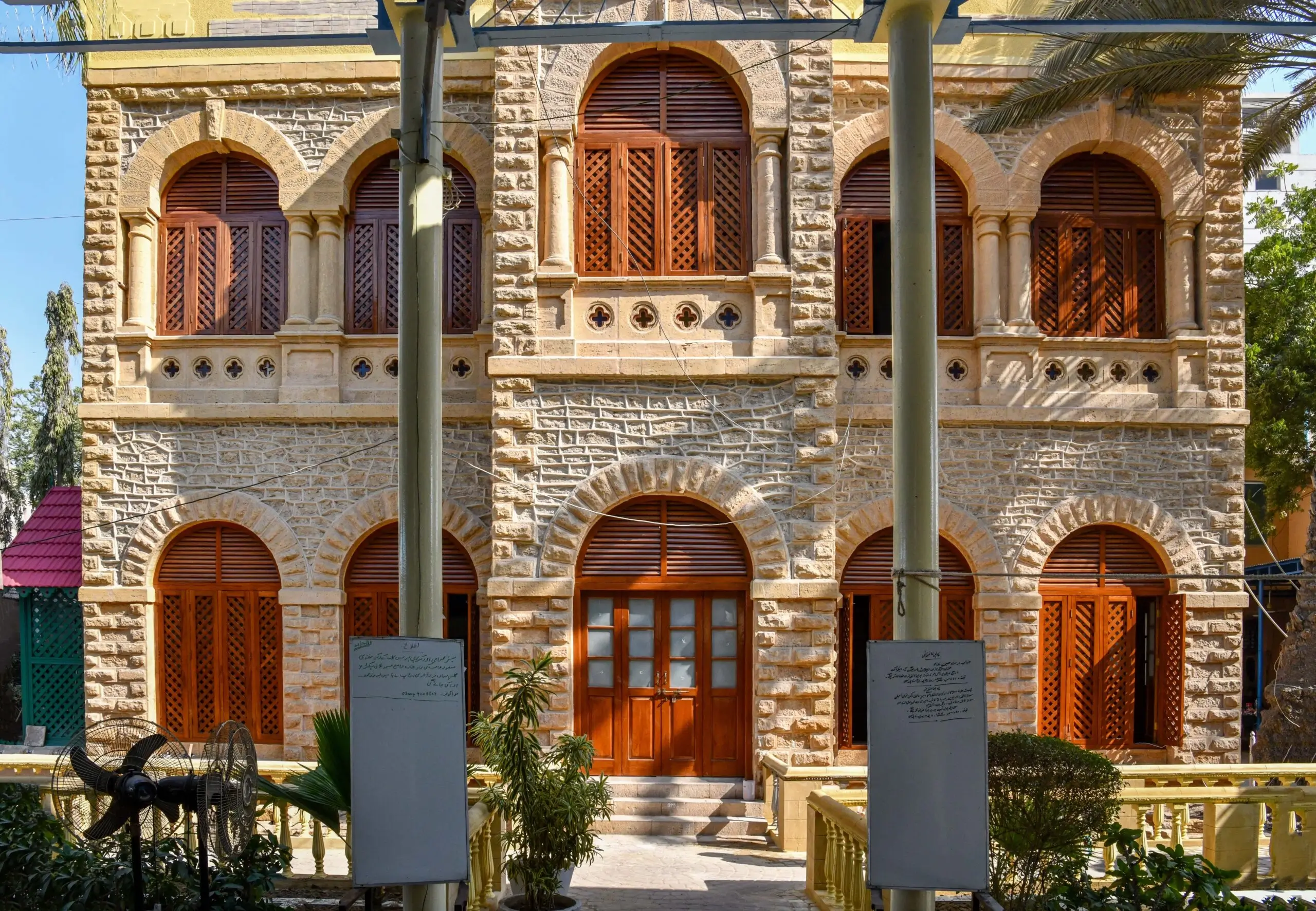
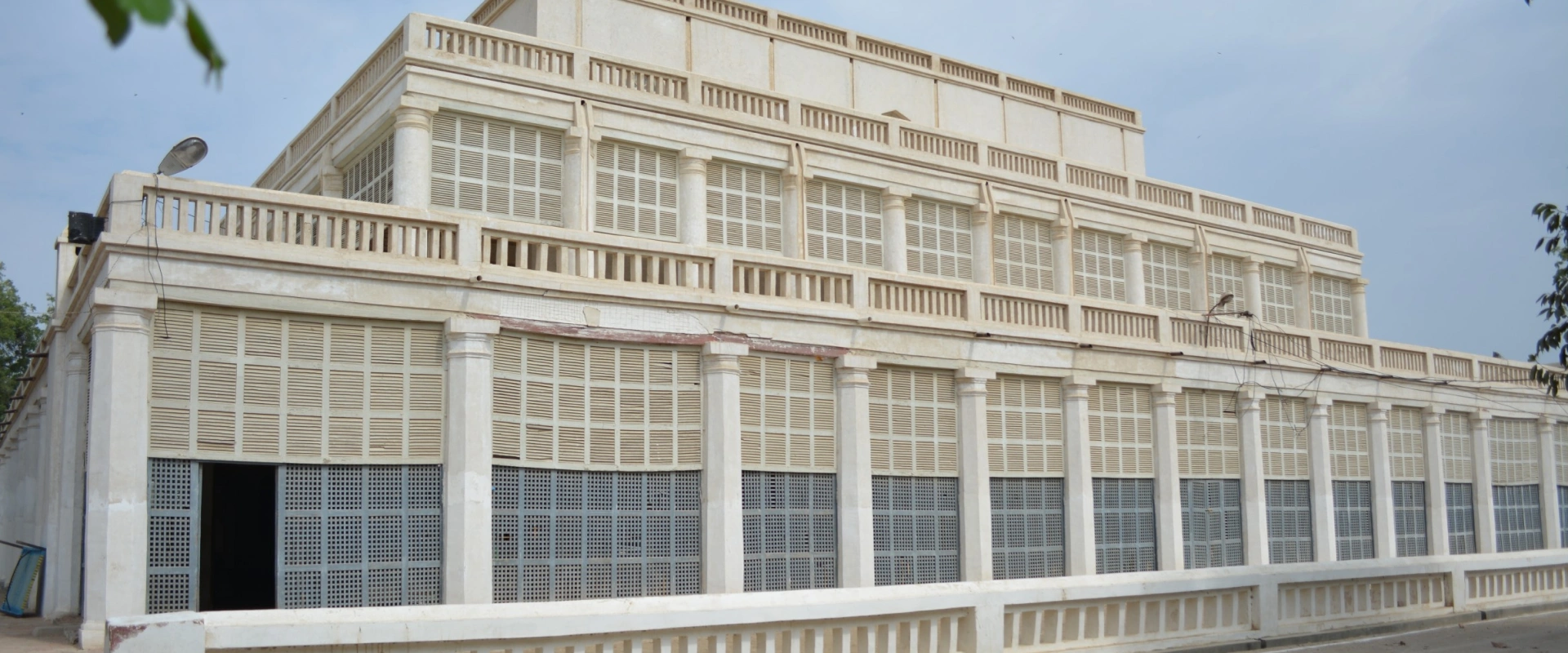
The Endowment Fund Trust for Preservation of the Heritage of Sindh (EFT), established in 2009 with public–private partnership, is a non-commercial trust dedicated to preserving Sindh’s tangible and intangible heritage. It was registered in September 2009 with an endowment of Rs. 1 billion, and its 15 trustees serve without any financial benefit or personal interest.

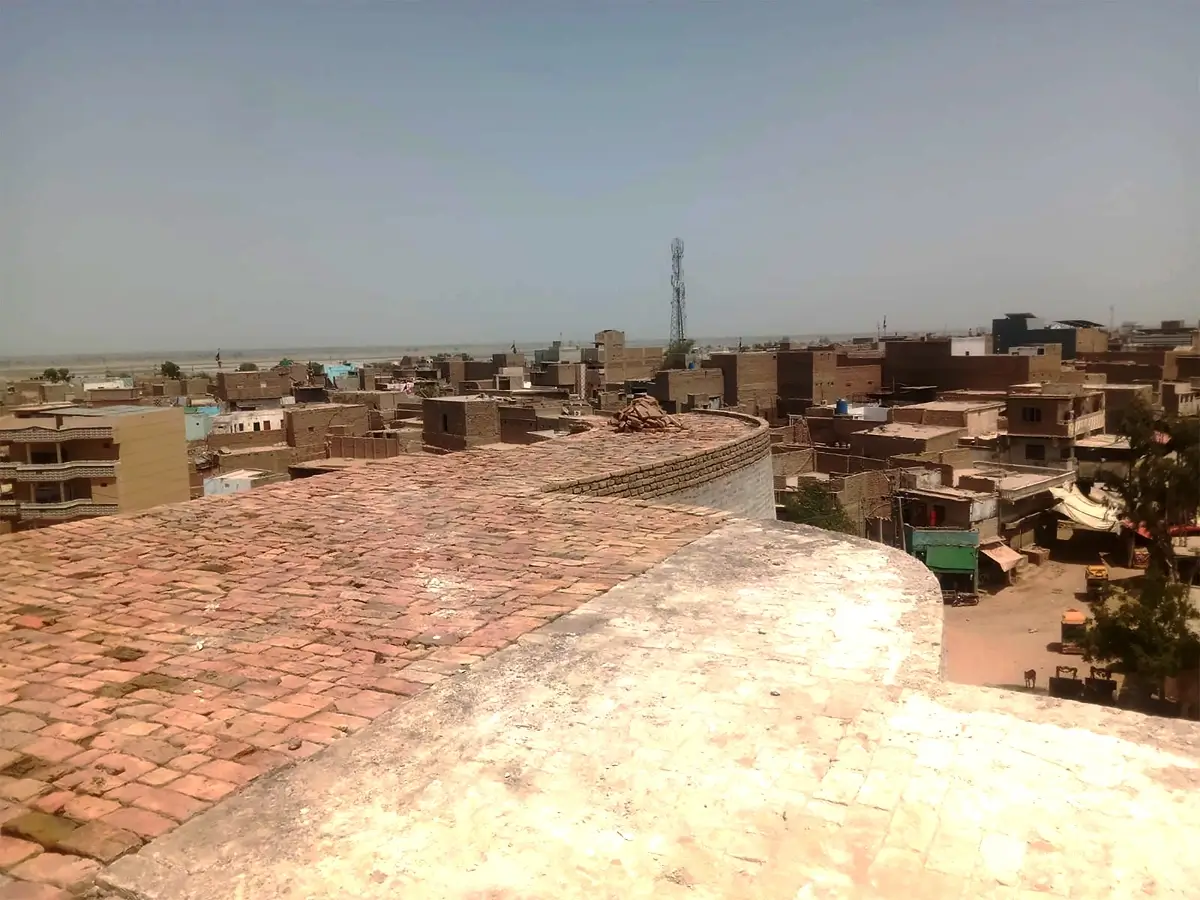
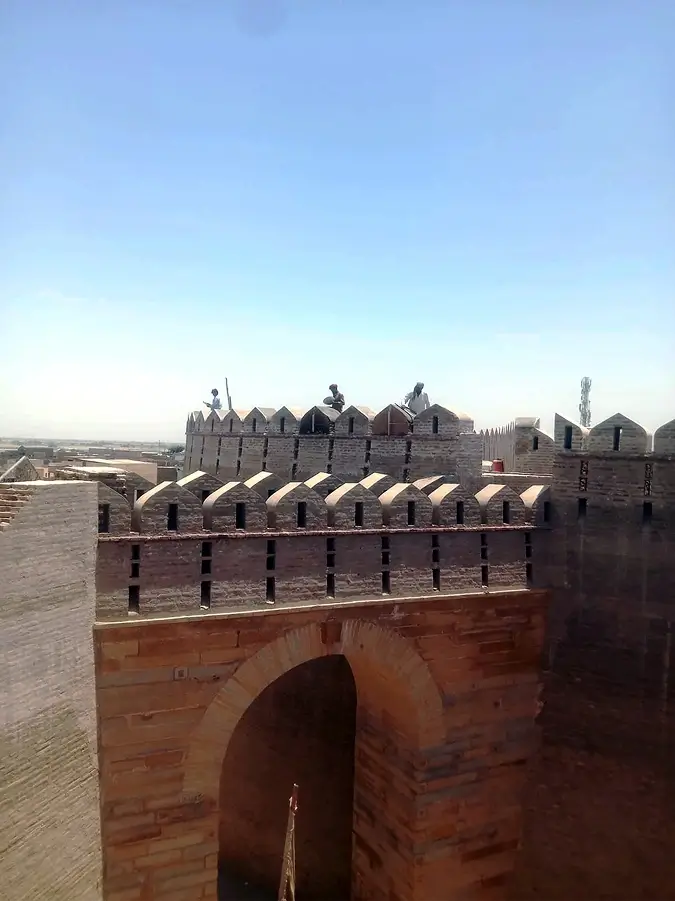
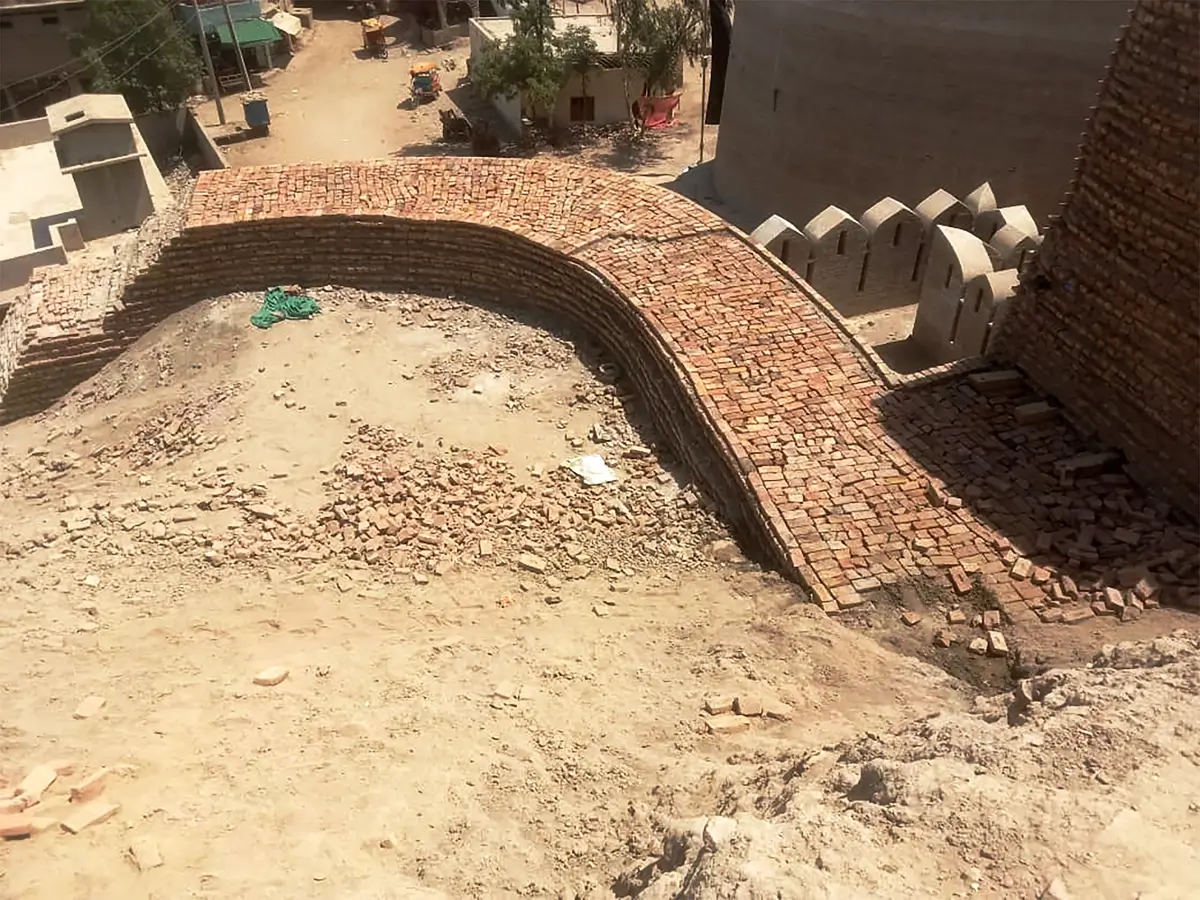
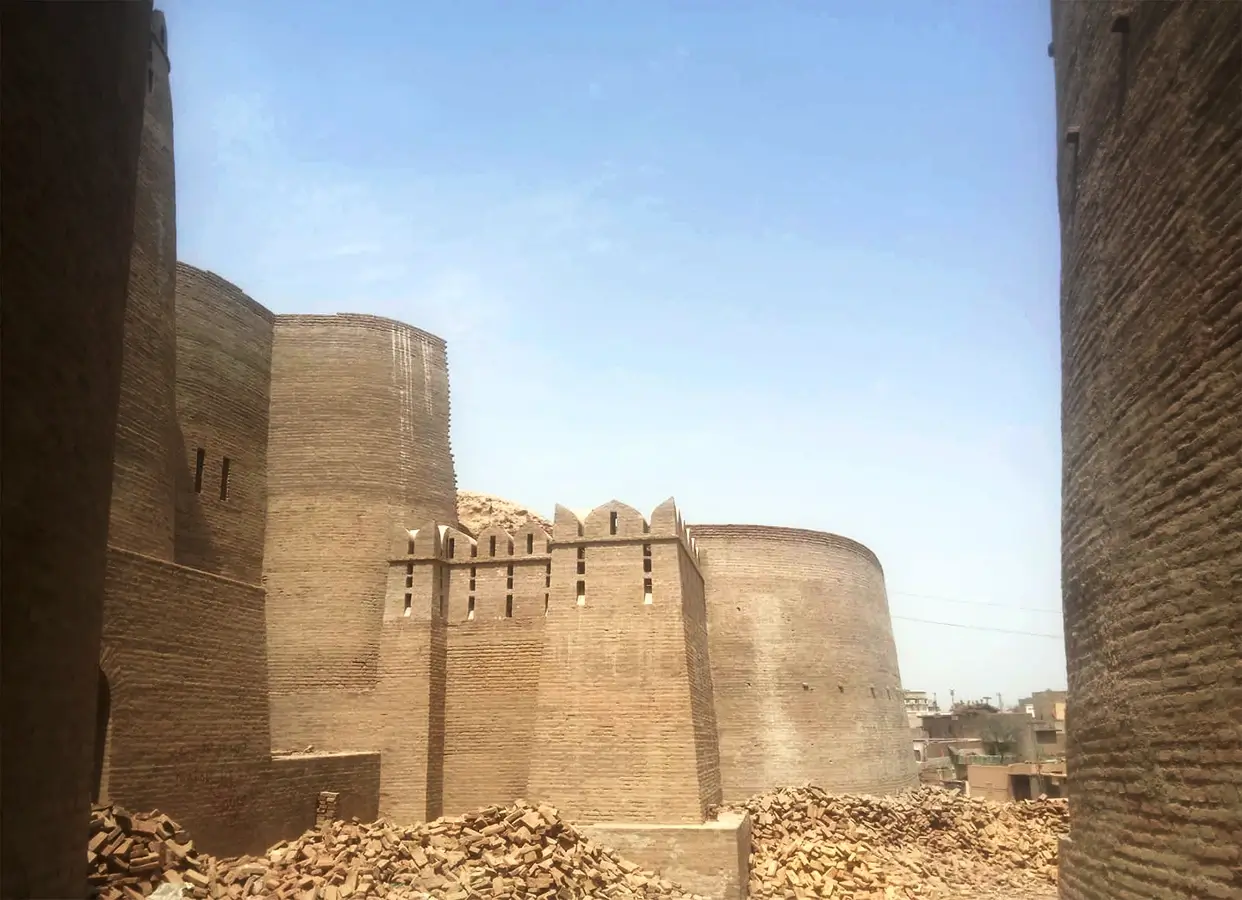
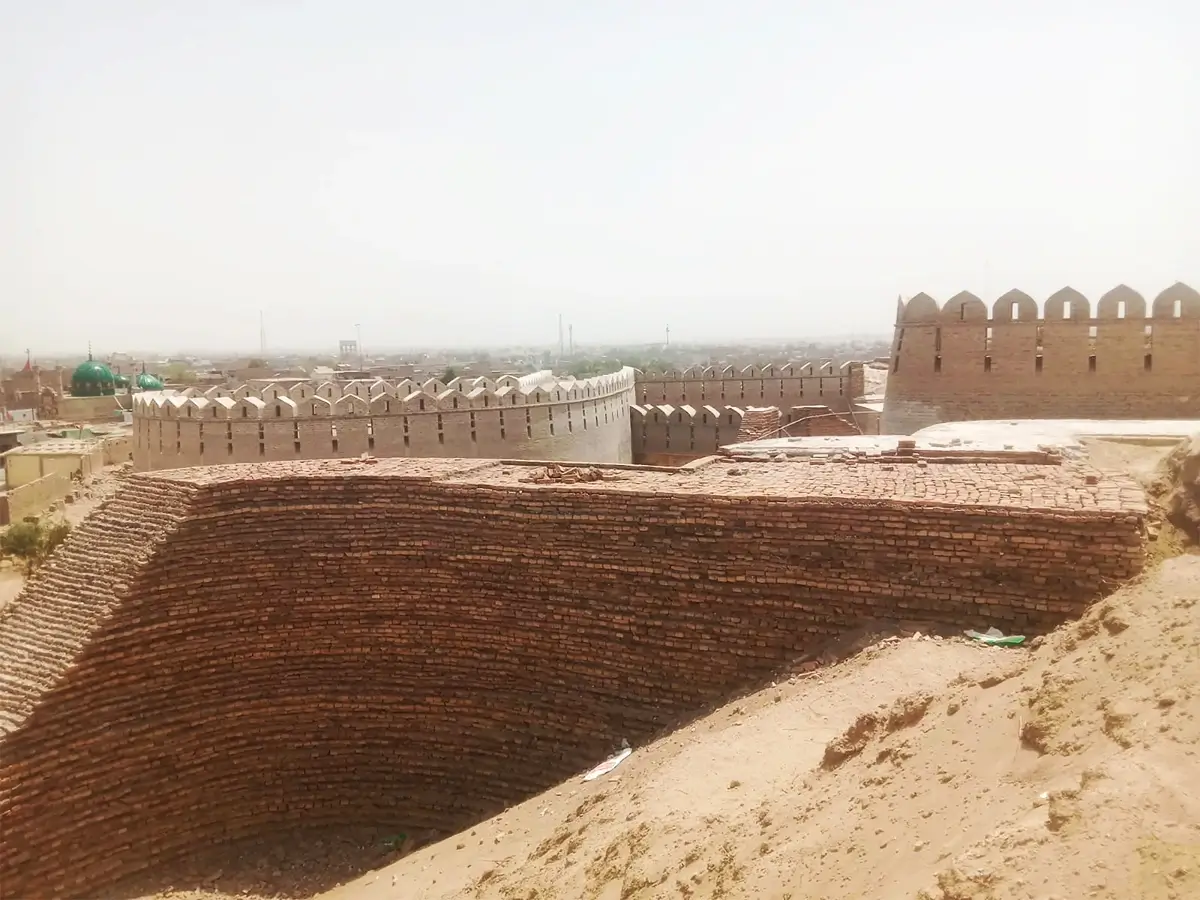
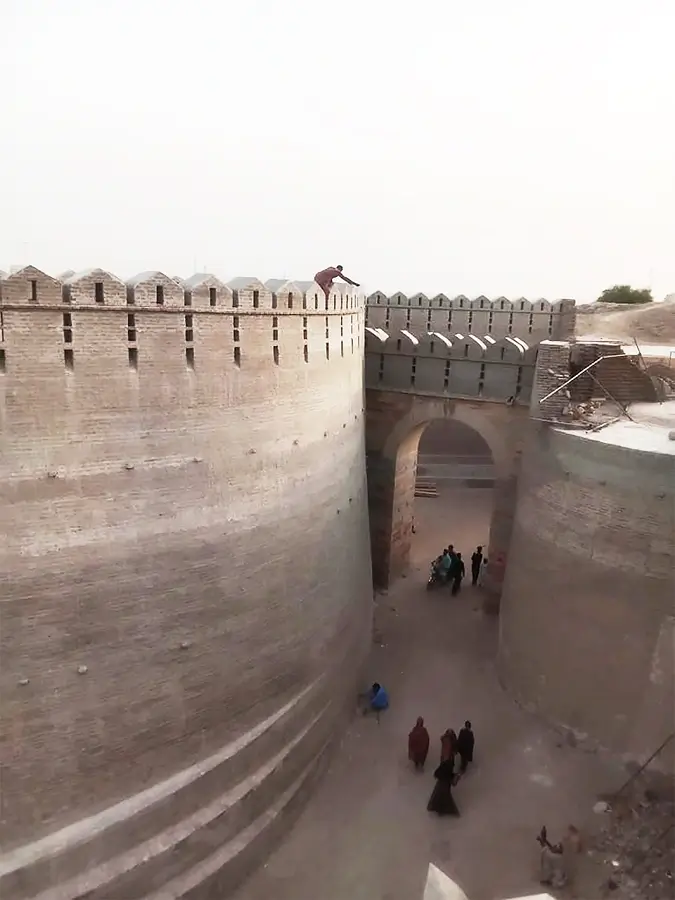
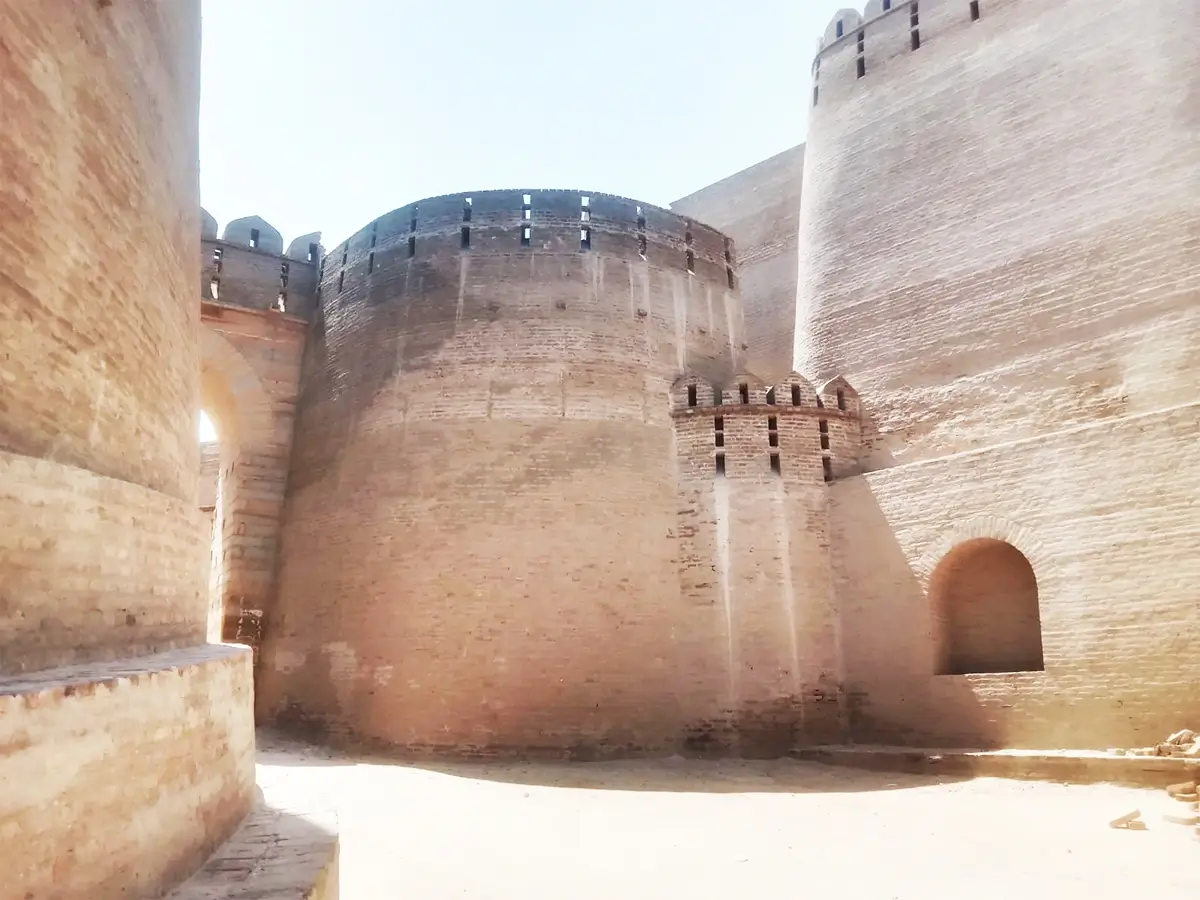
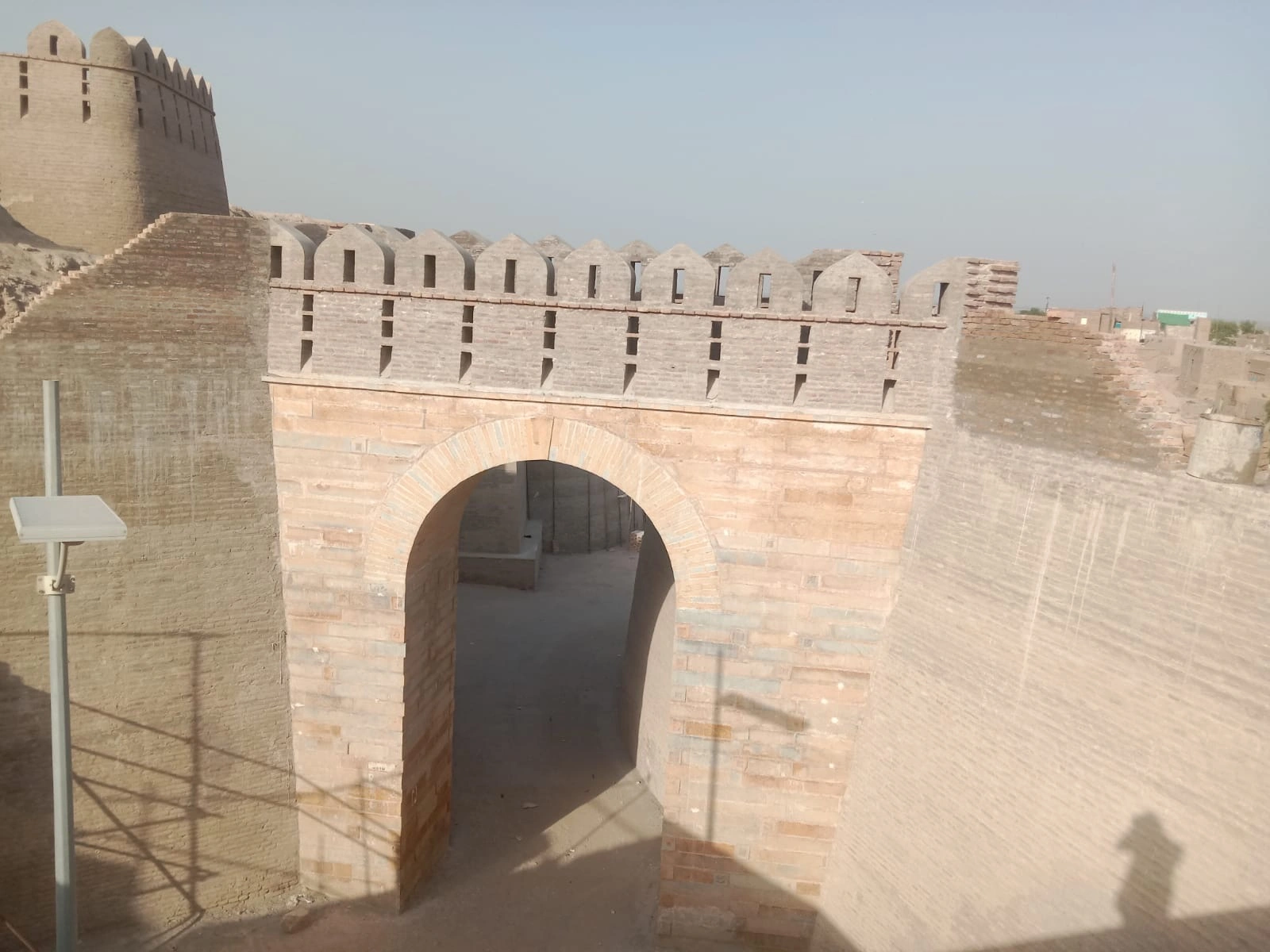
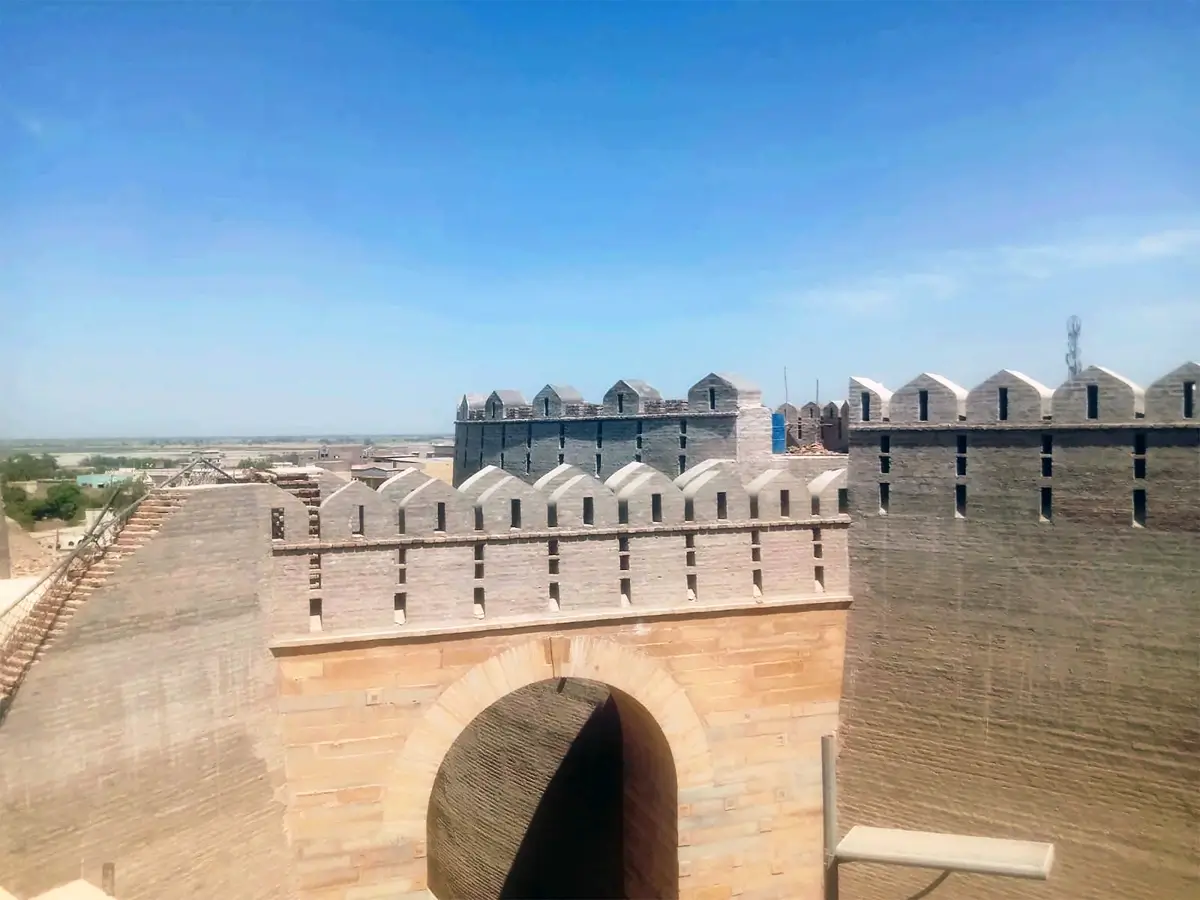
Sehwan Fort
A Timeless Mughal Legacy Preserved with Care.

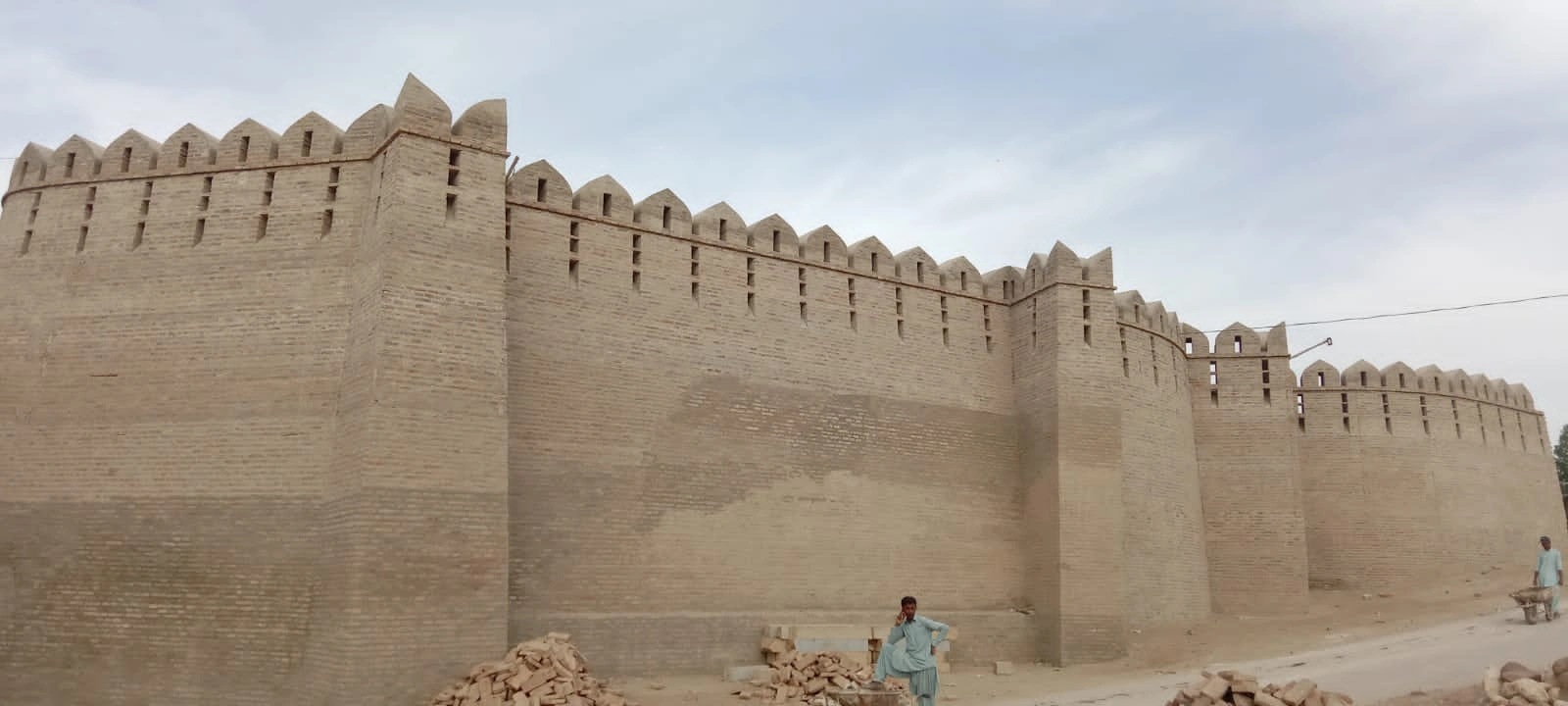
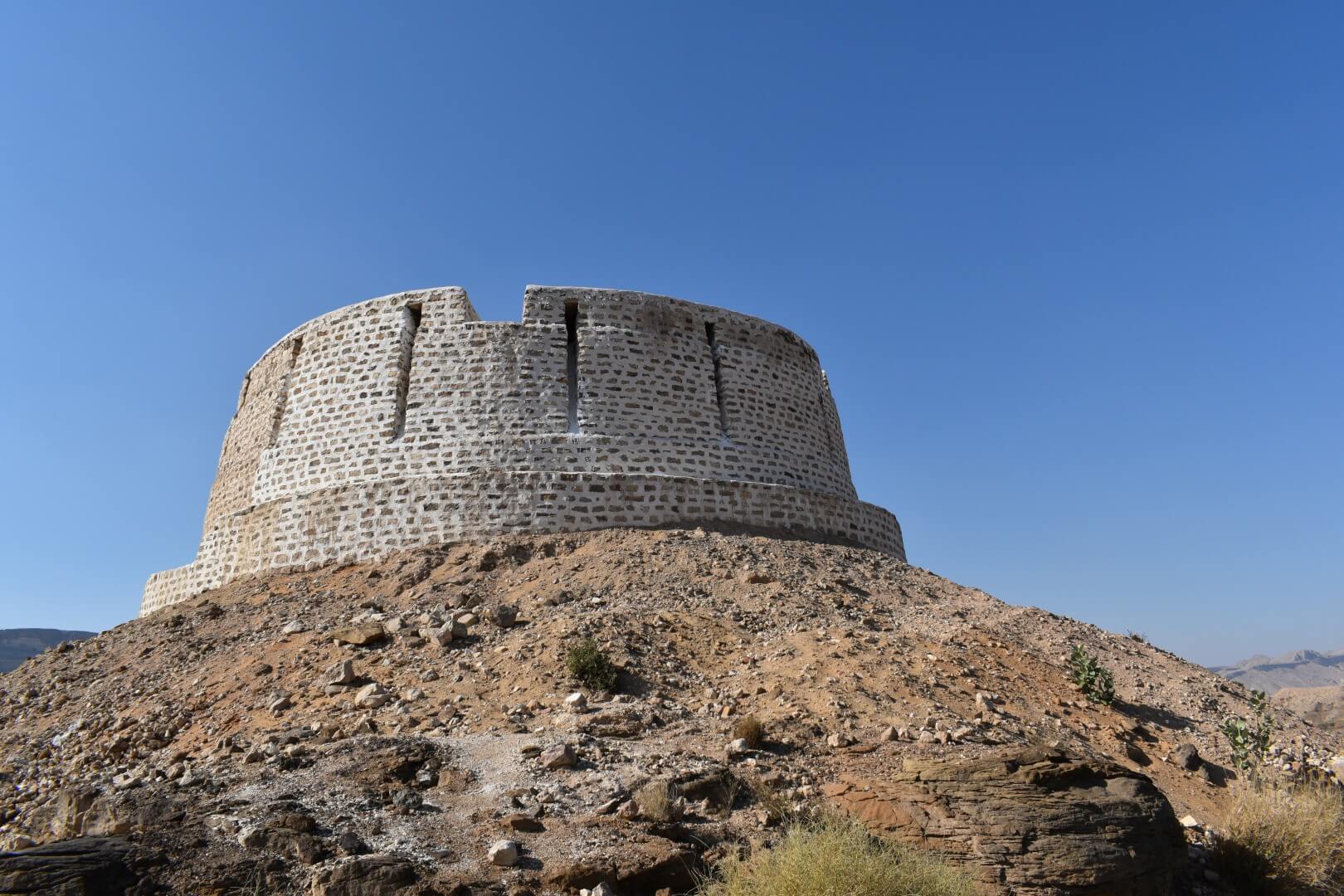
Ranikot
The Timeless Mughal Legacy Preserved with Care

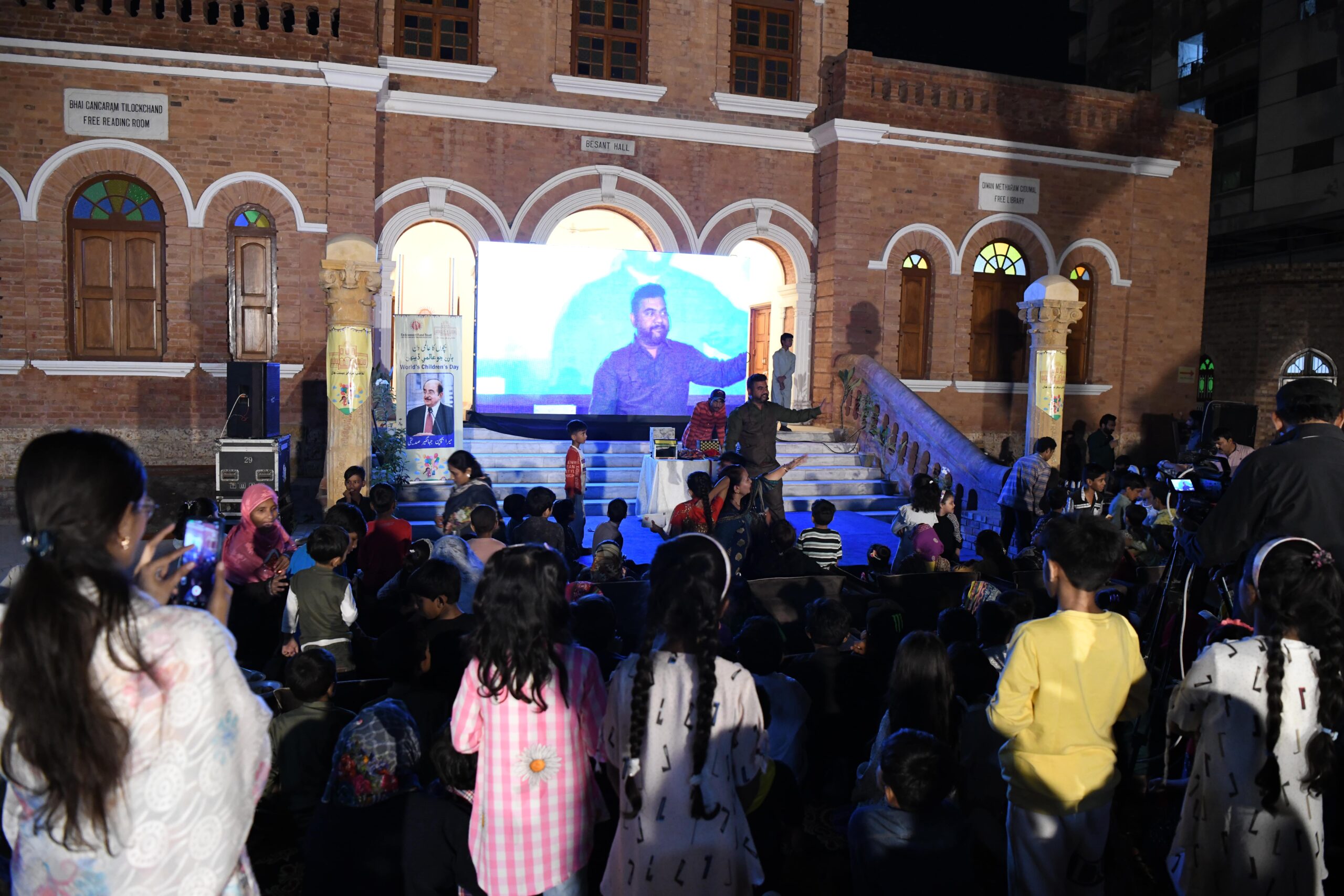
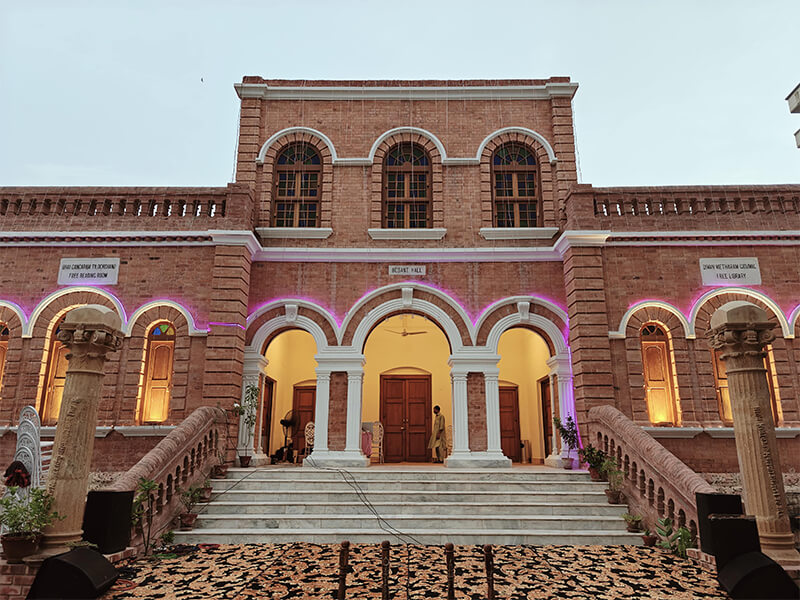
Besant Hall
Majestic architecture, serene spirit.

Mir Karam Ali Talpur
A Monument to Leadership, Courage, and Heritage

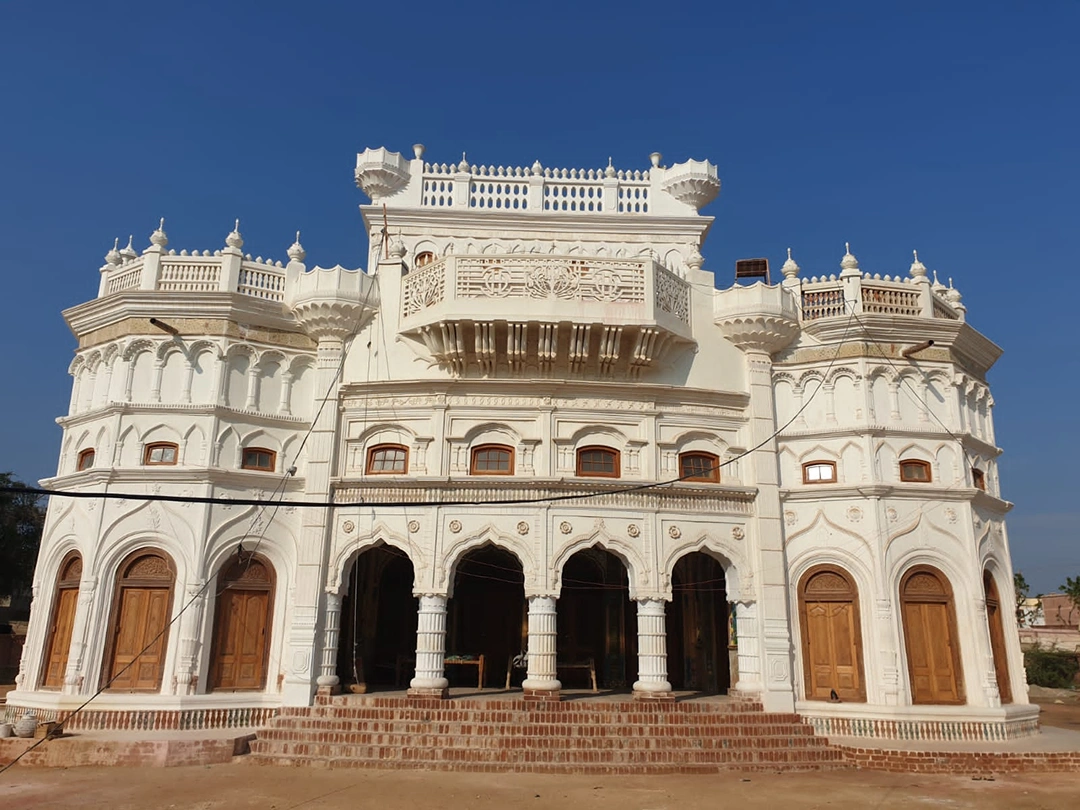
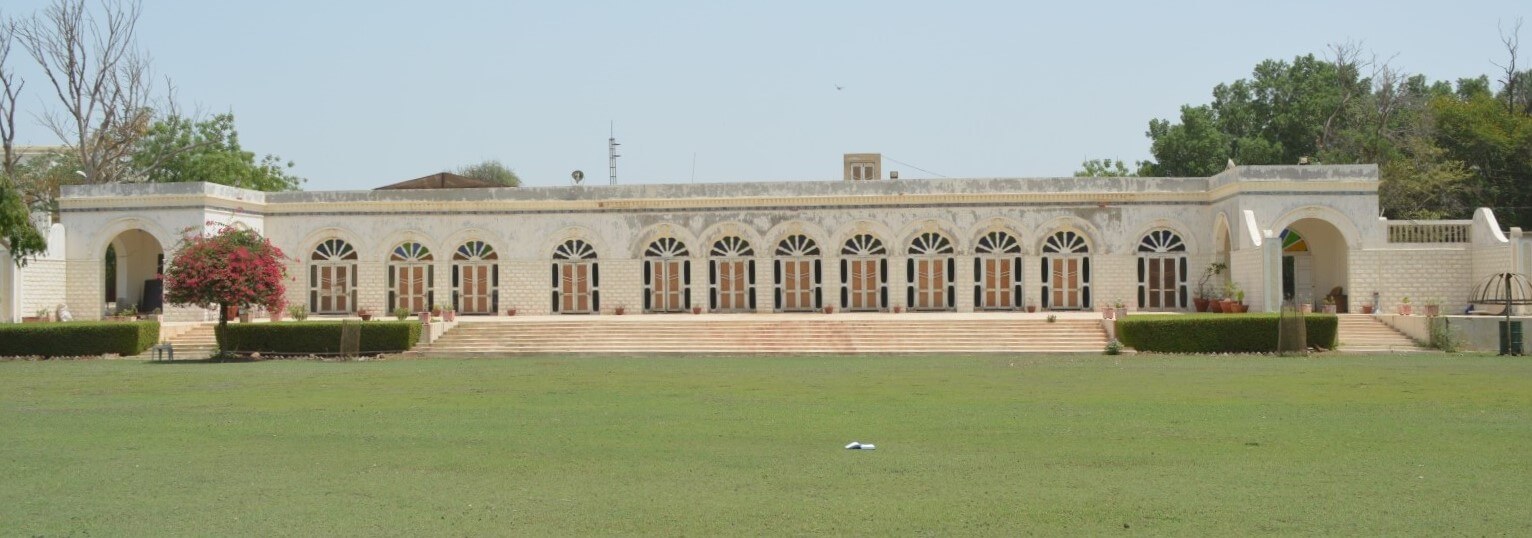
Ahmed Ali Taplur (White Palace)
Majestic architecture, serene spirit.

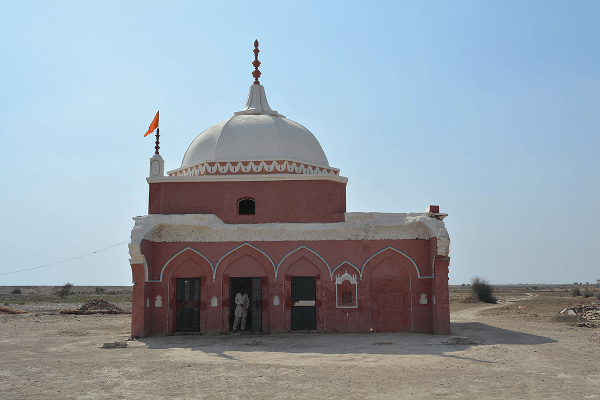
Gobind Darbar Manjhand
A Monument to Leadership, Courage, and Heritage

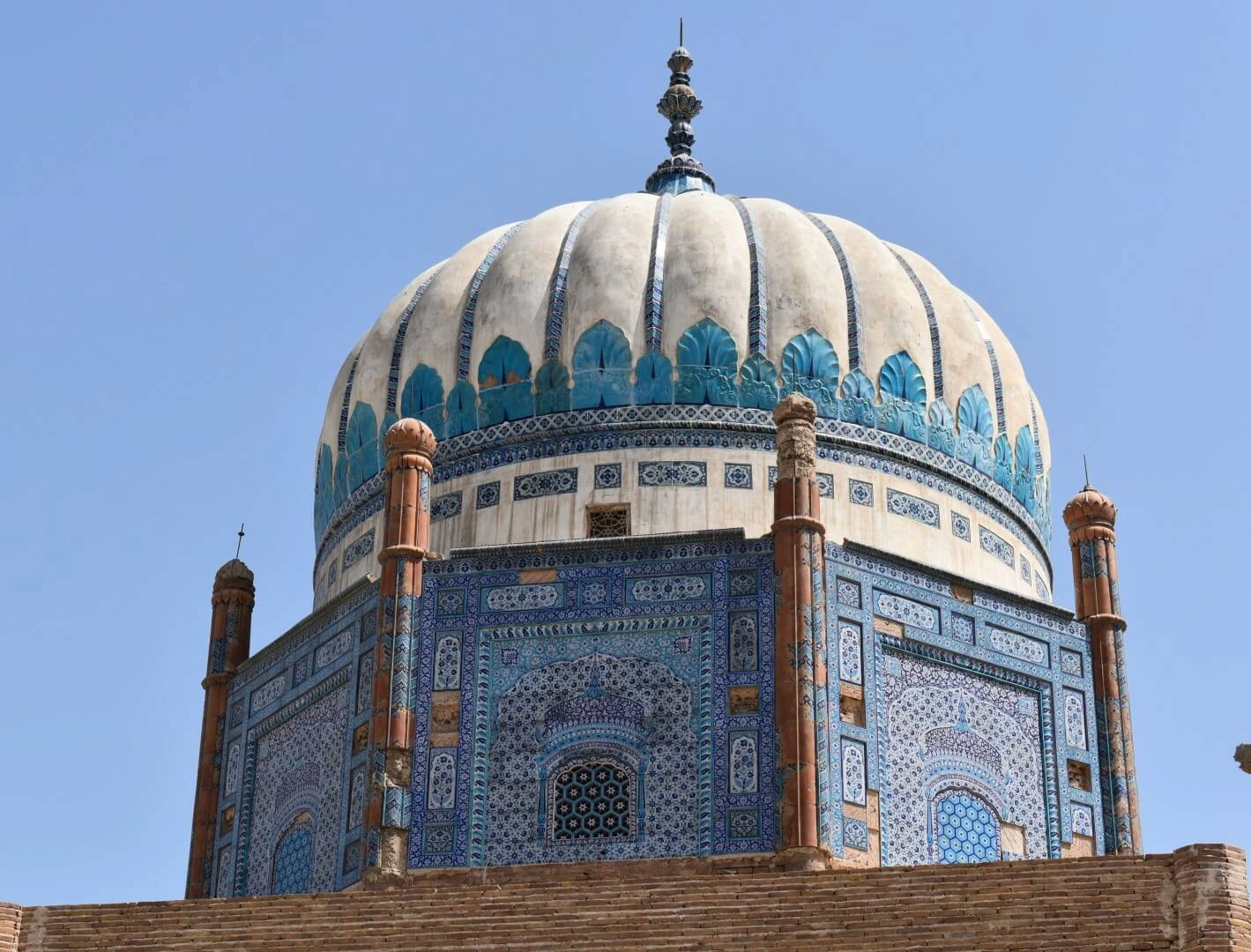
Pir Sarhandi Tombs

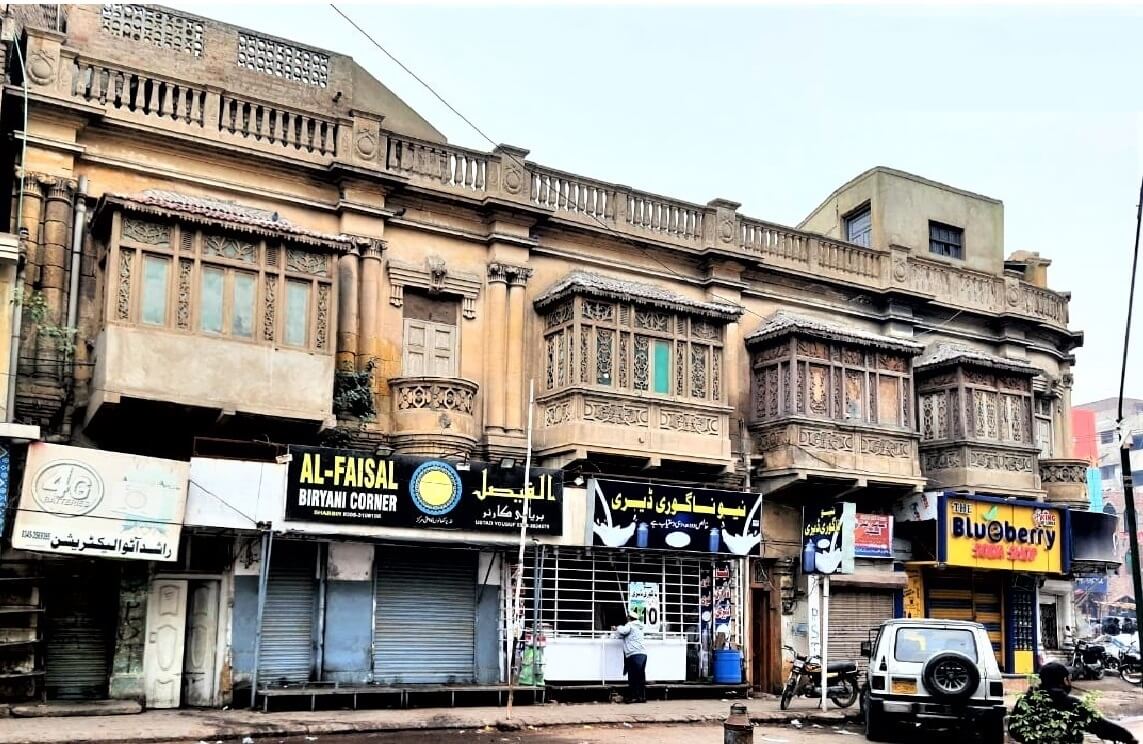
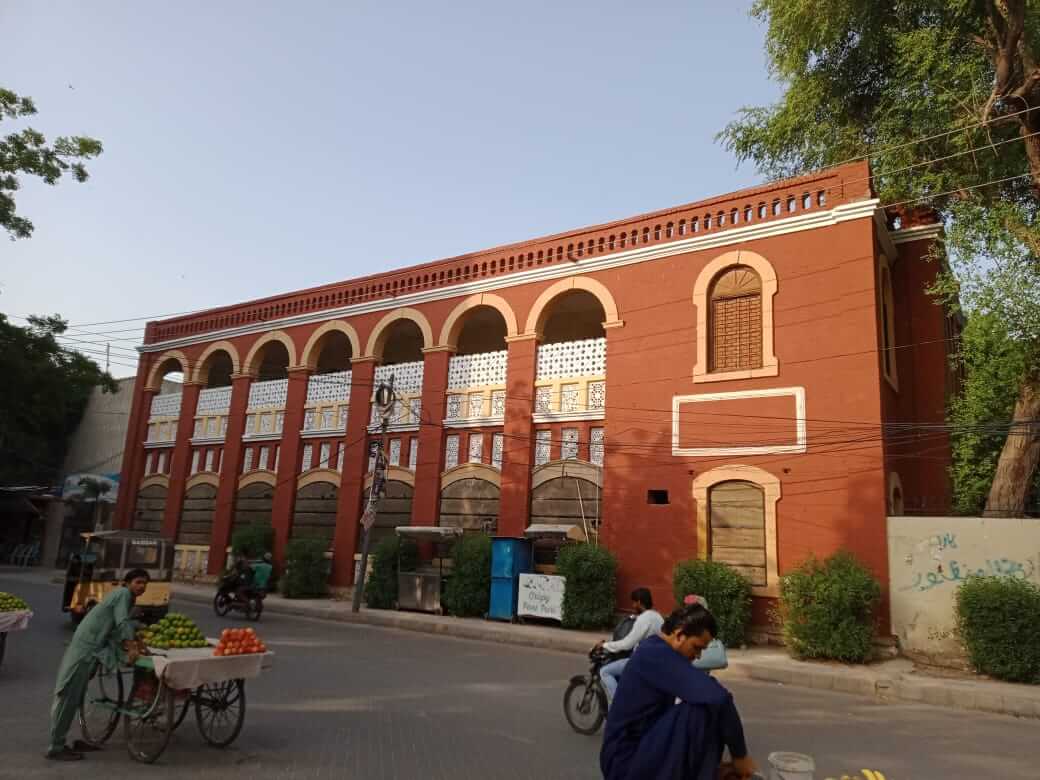
Bouhle Chand Building Hyderchowk
A Historic Landmark in the Heart of Hyderabad.

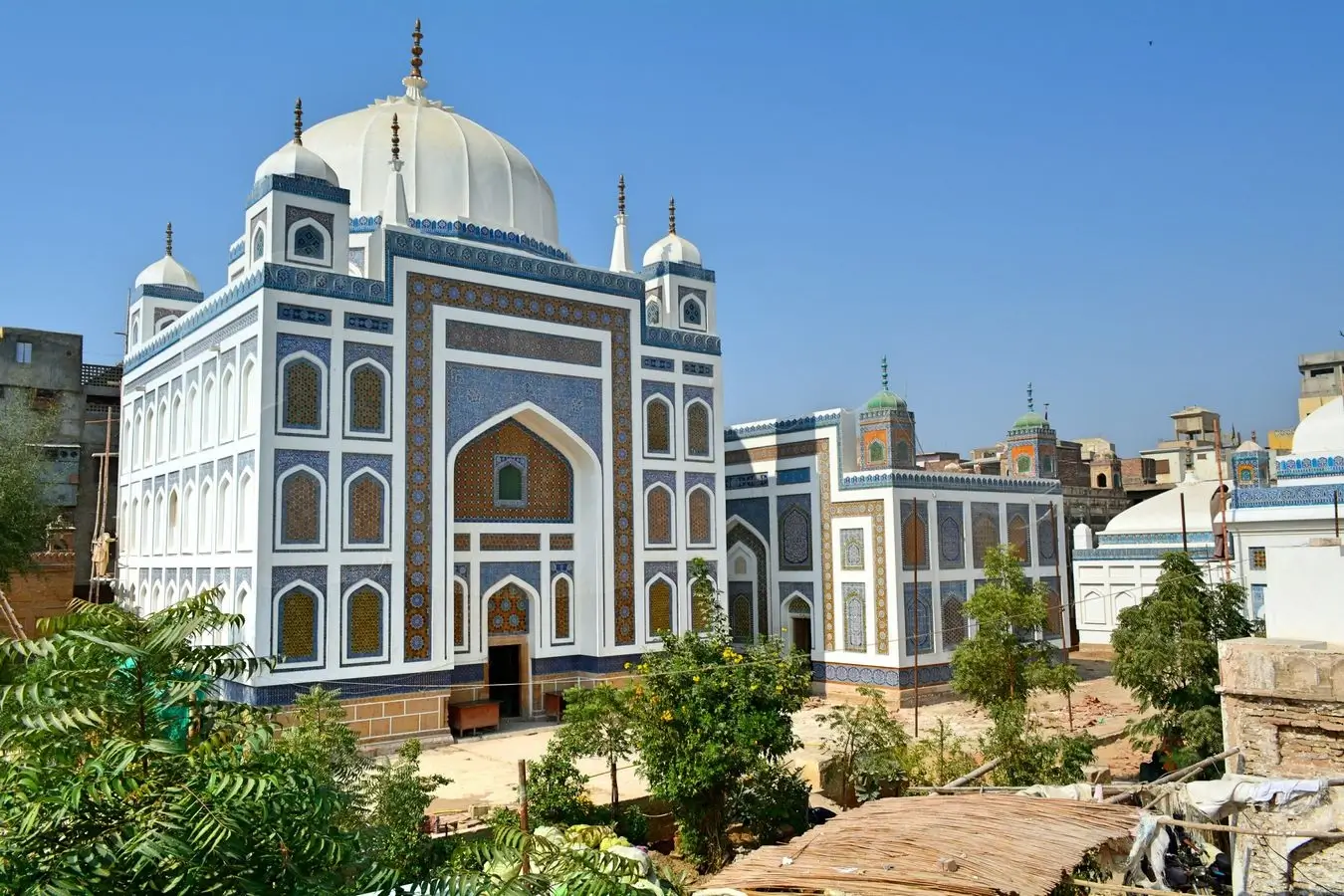
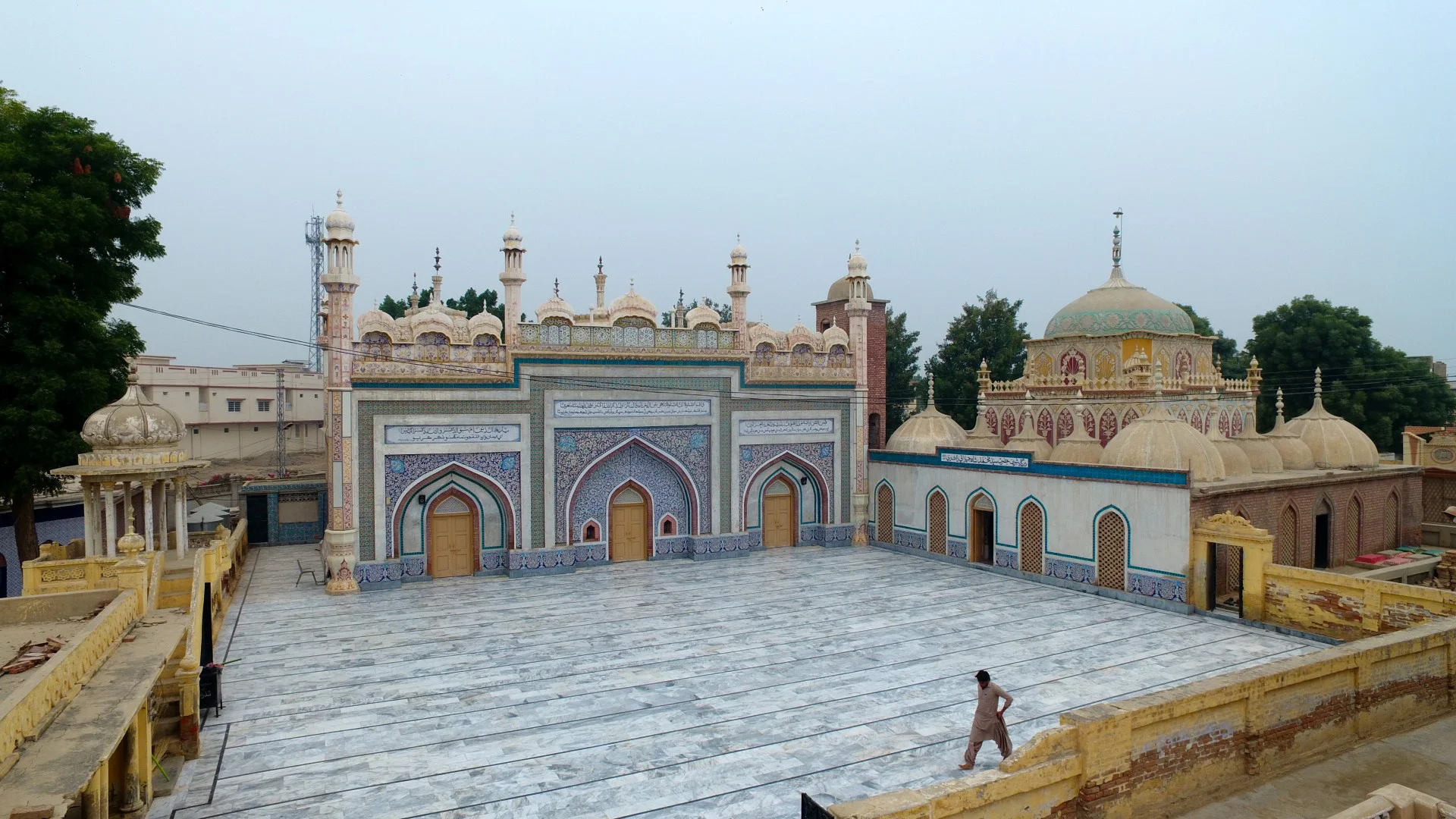
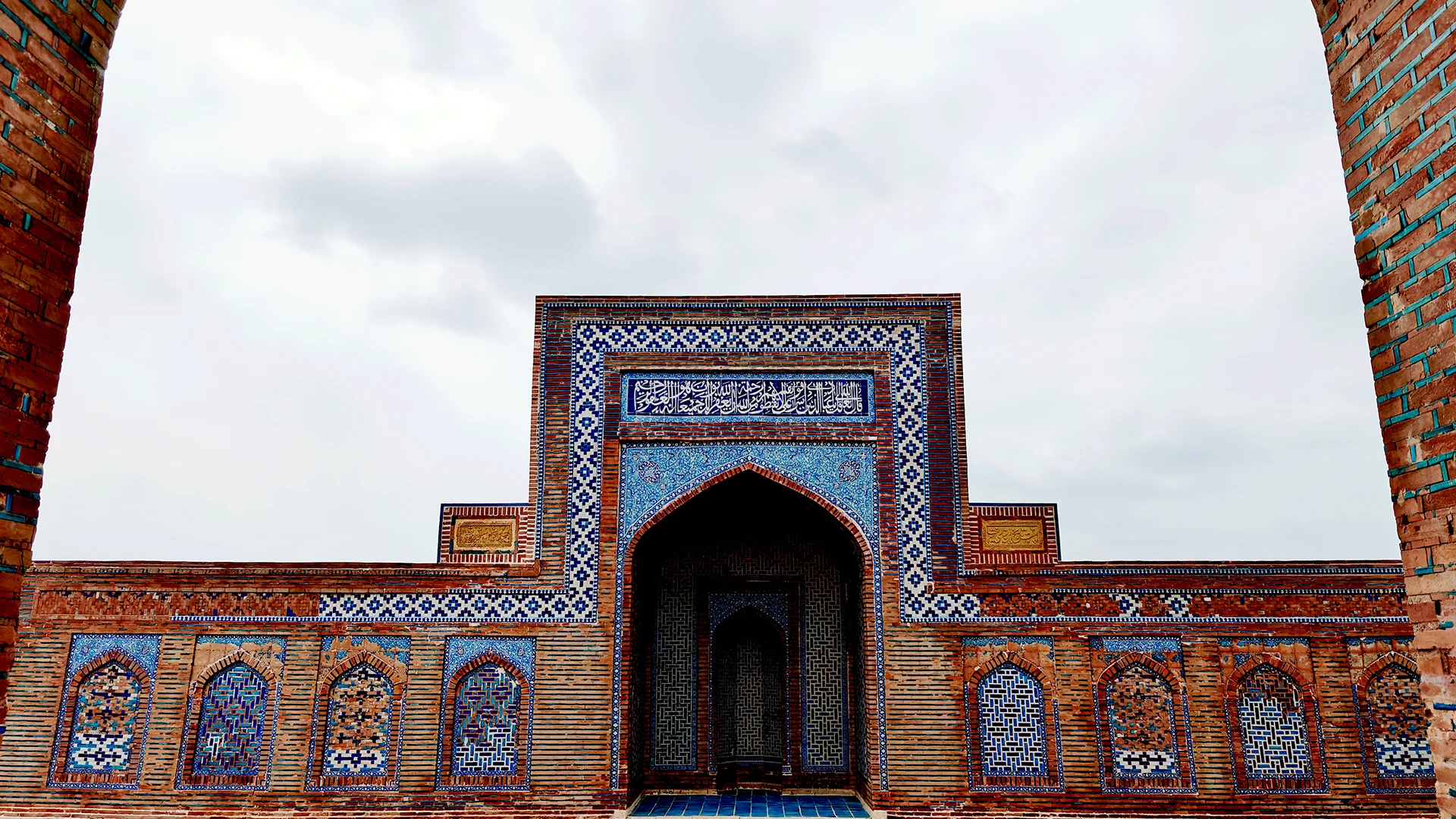
Tomb and Mosque at Dargah Pir Zakri
Where Spiritual Heritage Inspires Generations.

Jamia Arabia High School Building
Nurturing Minds Within Historic Walls.

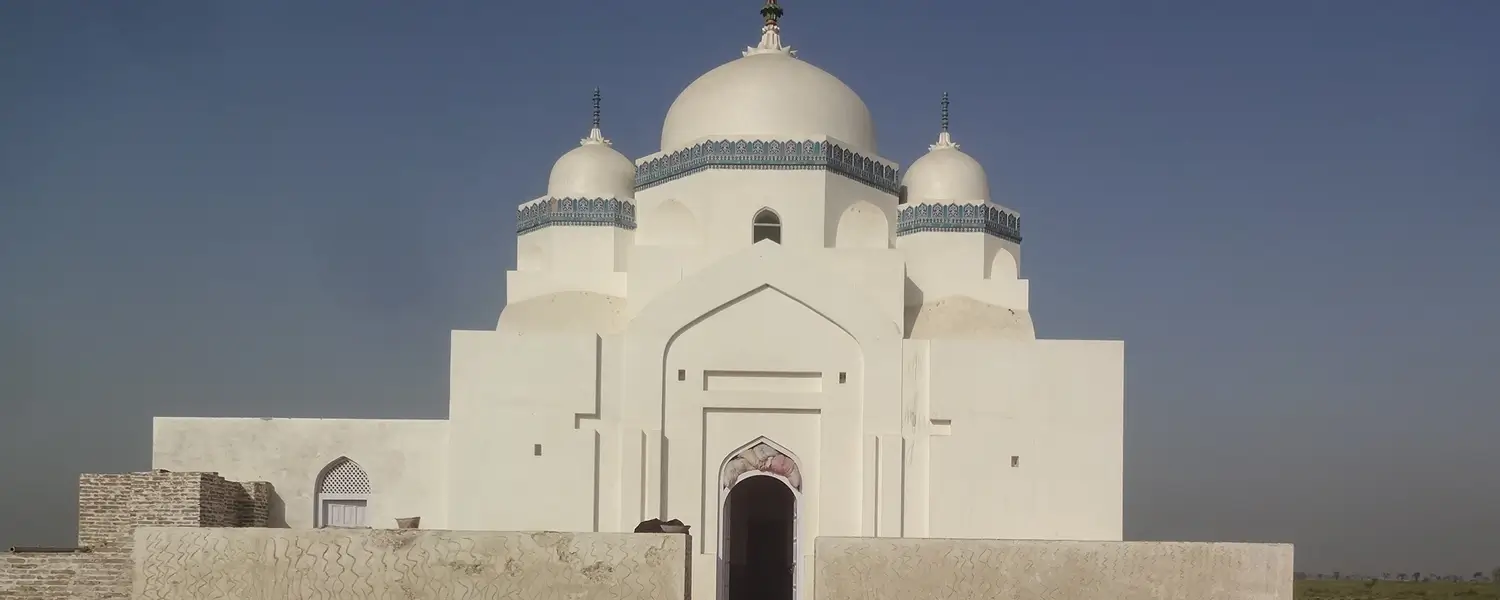
Dhandi Masjid
Where History Still Whispers Prayers.

Jamote House, Matiari
A Legacy of Grace and Grandeur.

Madam Waro Bungalow Kot Diji
Strength Carved Through Time.

Tomb of Ghulam Shah Kalhoro
A Timeless Testament to Sindh’s Spiritual Legacy.

Karachi Press Club Building
Where History Meets the Power of the Press.

Mir Bungalow
Majestic architecture, serene spirit.

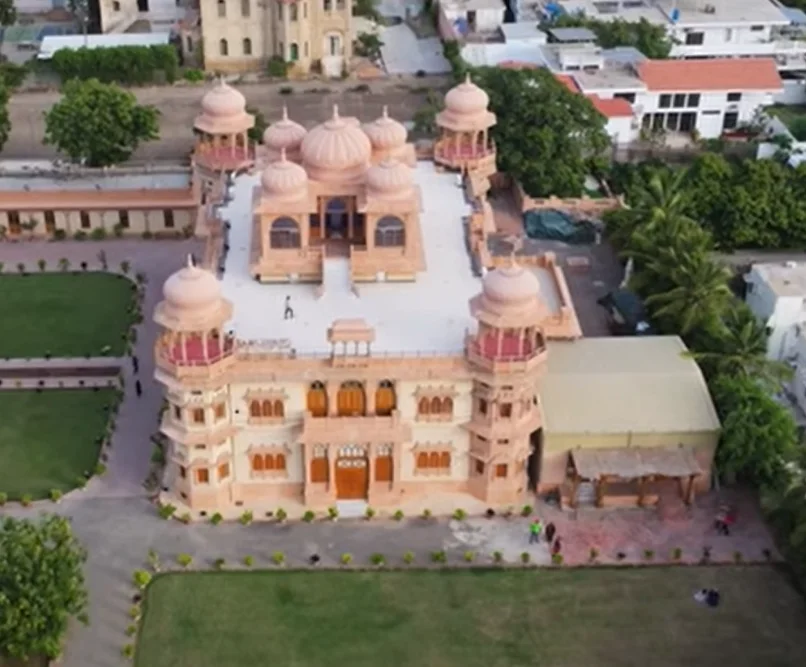
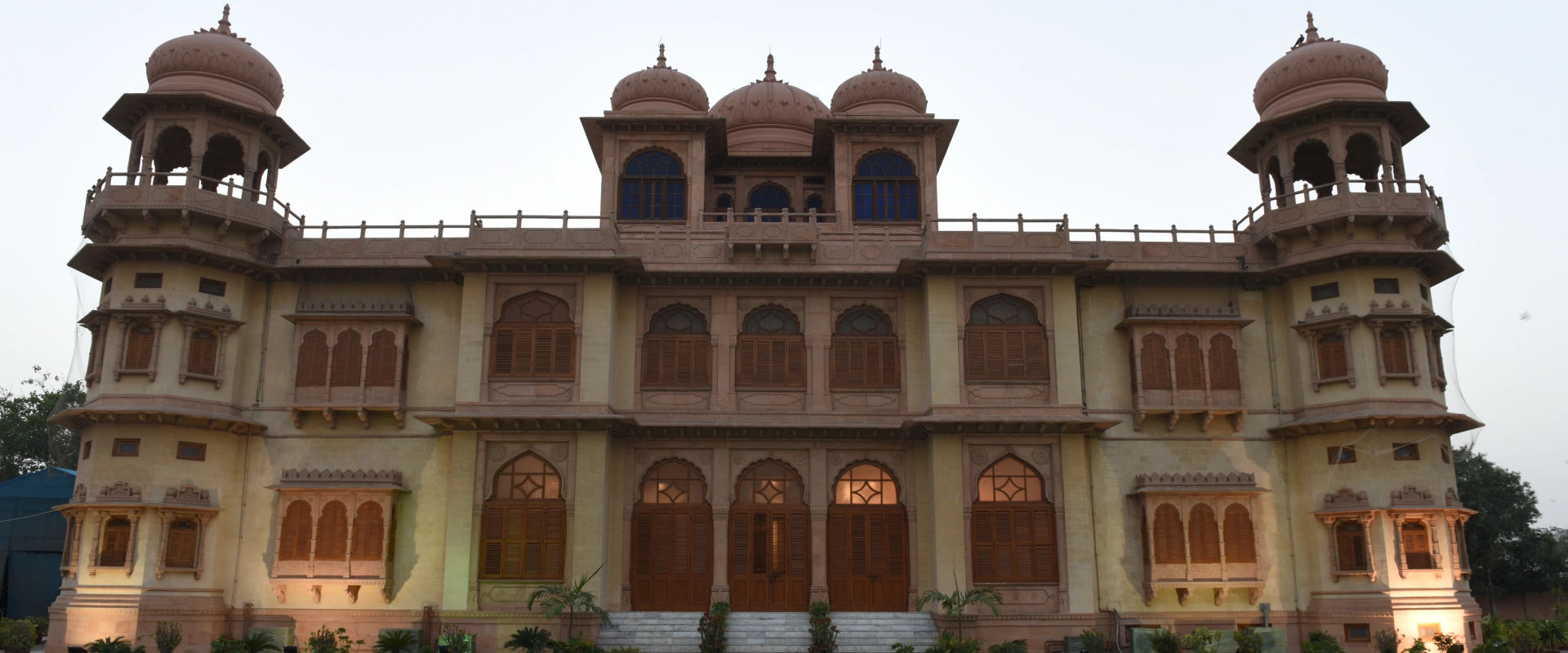
Mohatta Palace Museum
A Monument to Leadership, Courage, and Heritage

Tomb of Dewan Shurfa Khan
An Eternal Resting Place of Honor and Prestige.
Offices Of EFT
Eft Regional Office
Endowment Fund Trust for the Preservation of the Heritage of Sindh, Jamshoro
Besant Hall Cultural Centre
Our workspace is designed for collaboration and creativity.
Centre for Documentation & Conservation of the Heritage of Sindh (CDC)
Where History is Documented, Preserved, and Shared
Endowment Fund Trust’s Map for preservations projects
Legend
EFT Preservation Projects
79+
Completed Projects:
9+
Ongoing Projects:
EFT’s Heritage Documentation of Sindh
807+
Completed & Fully Documented Sites:
1269+
Discovered Heritage Sites:
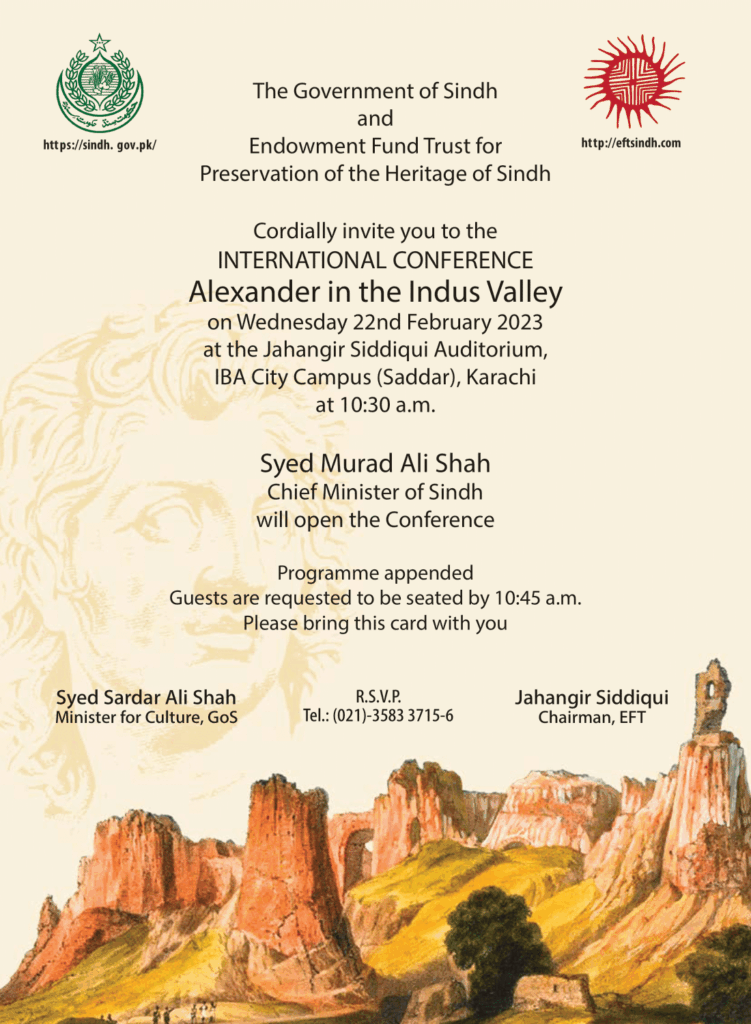
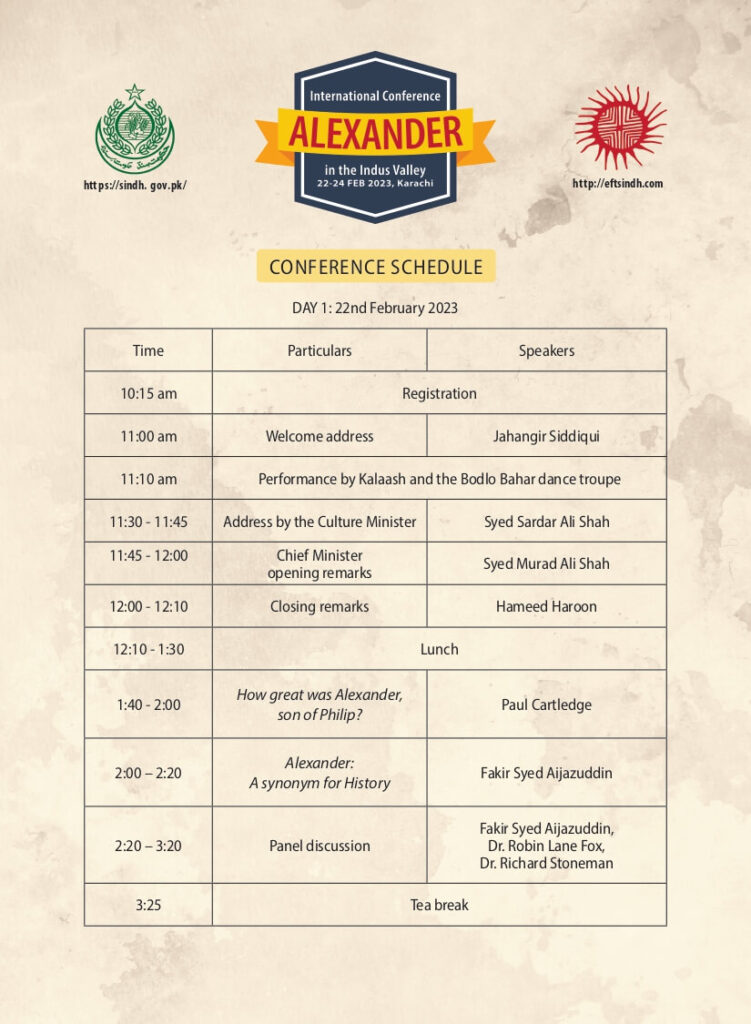
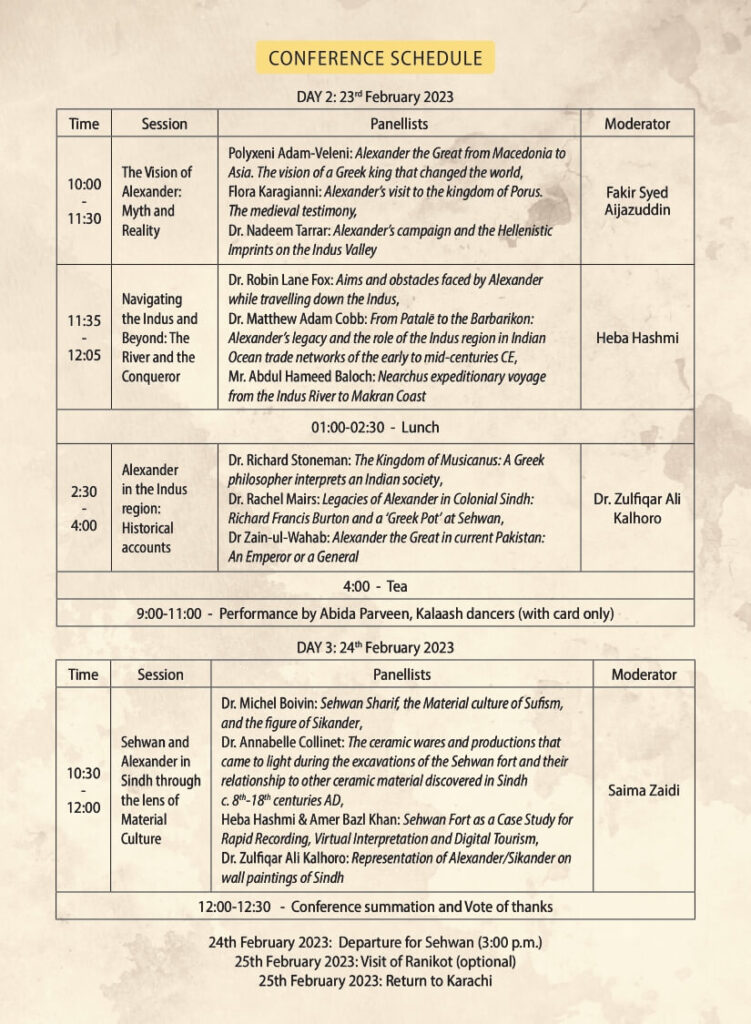
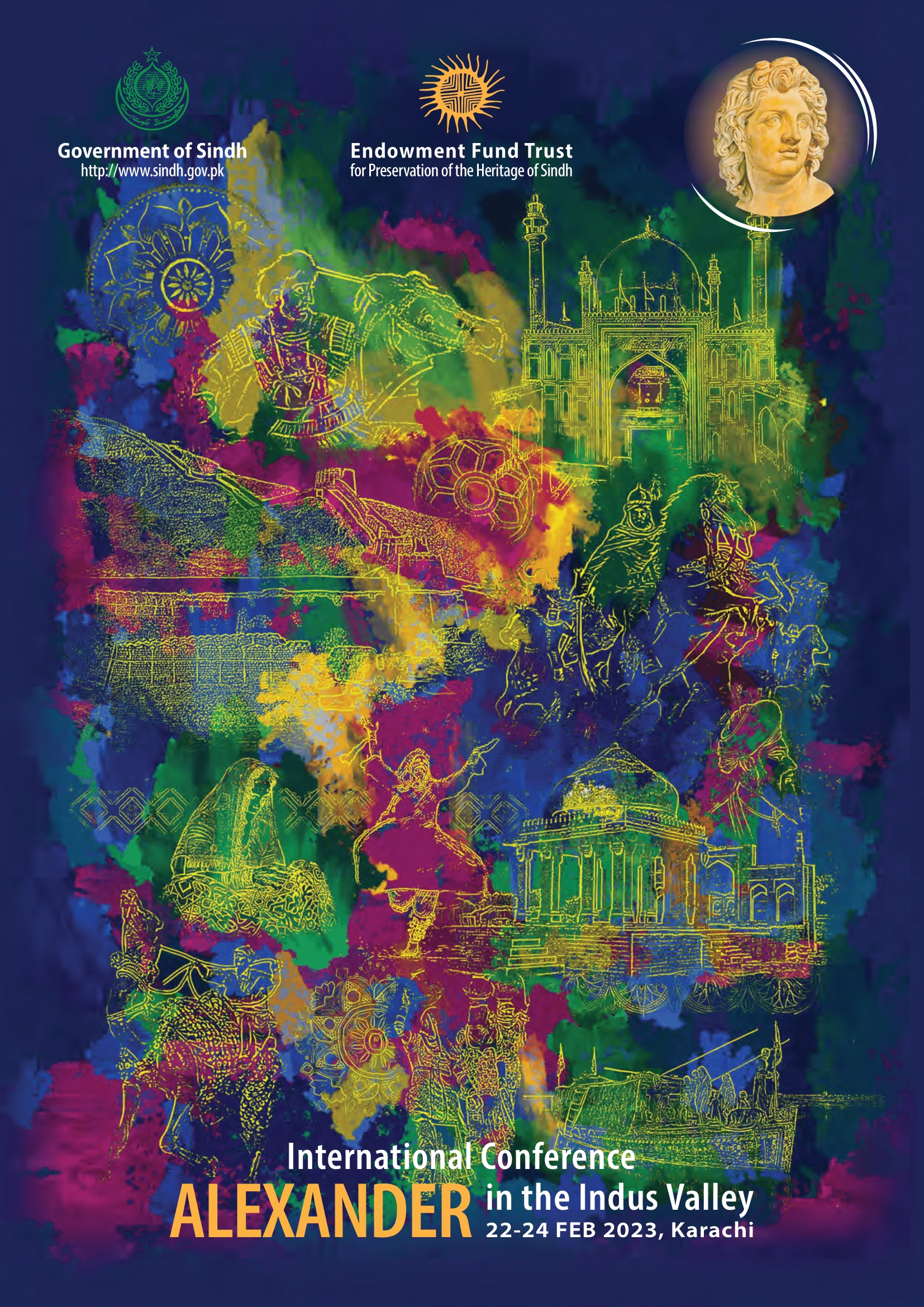
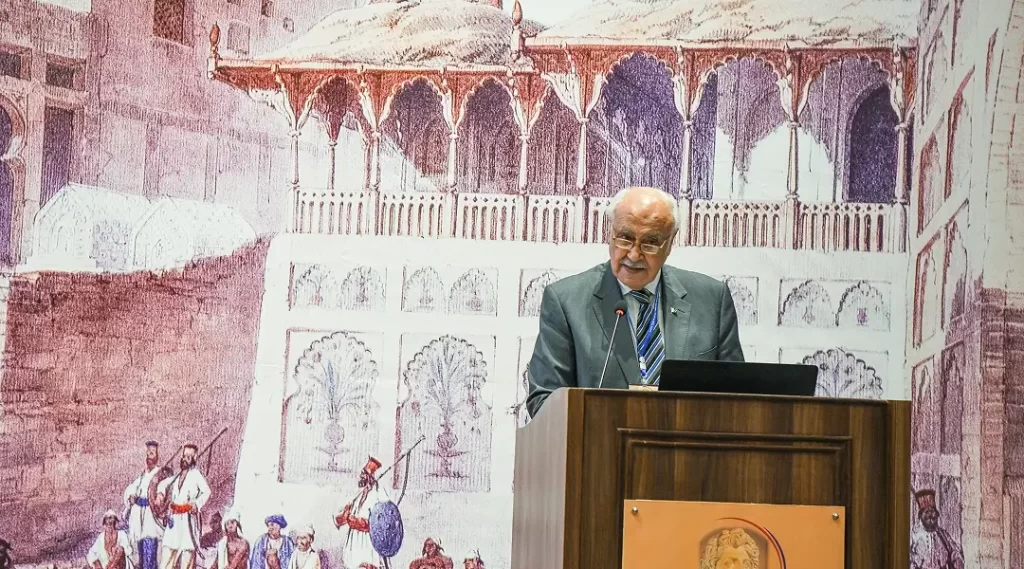
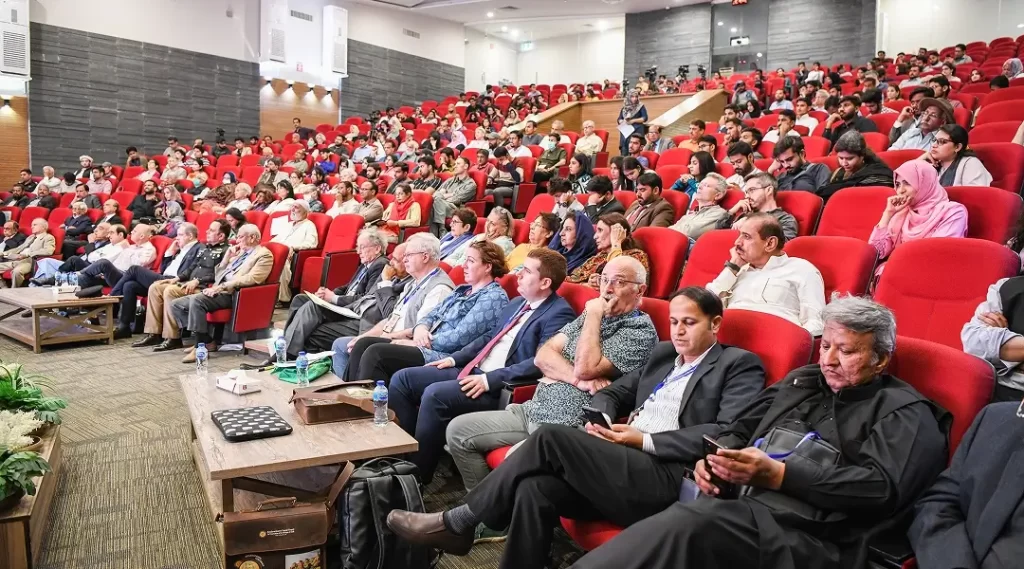
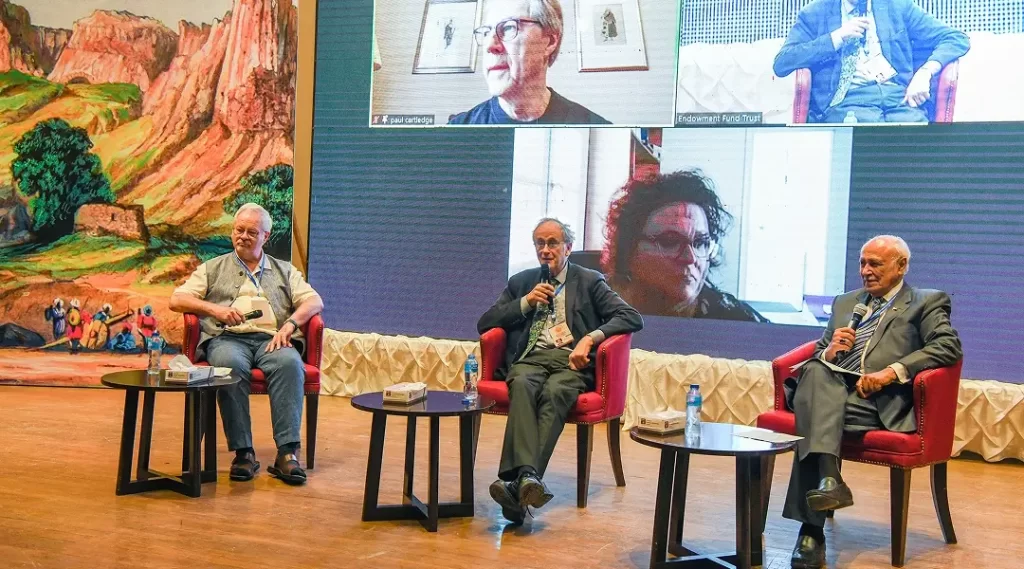
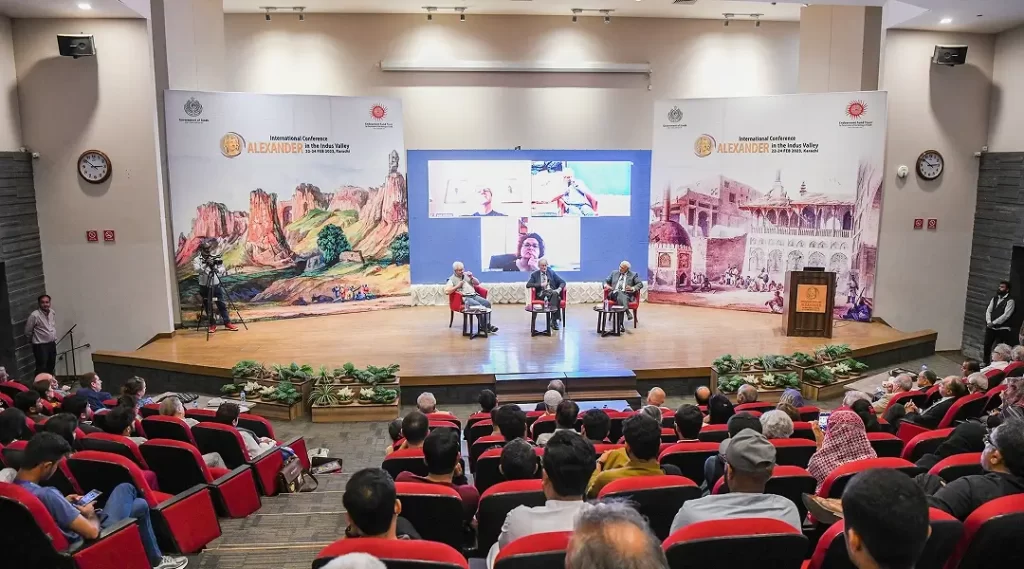
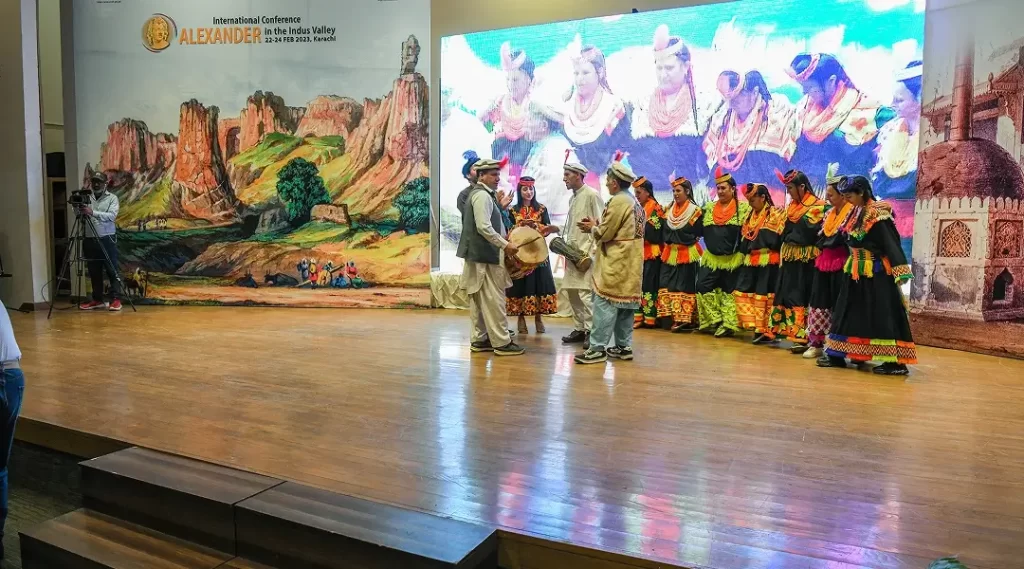
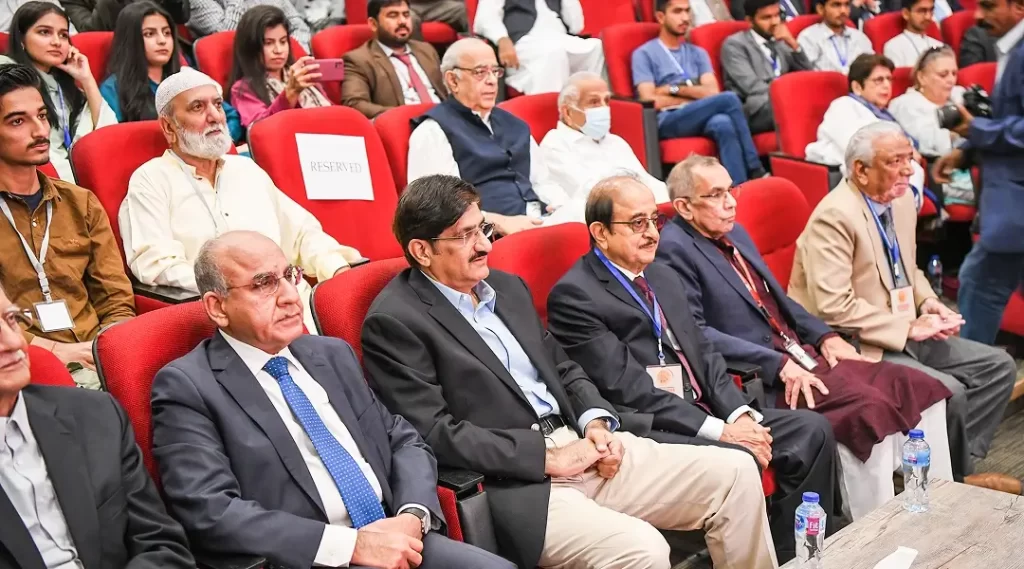
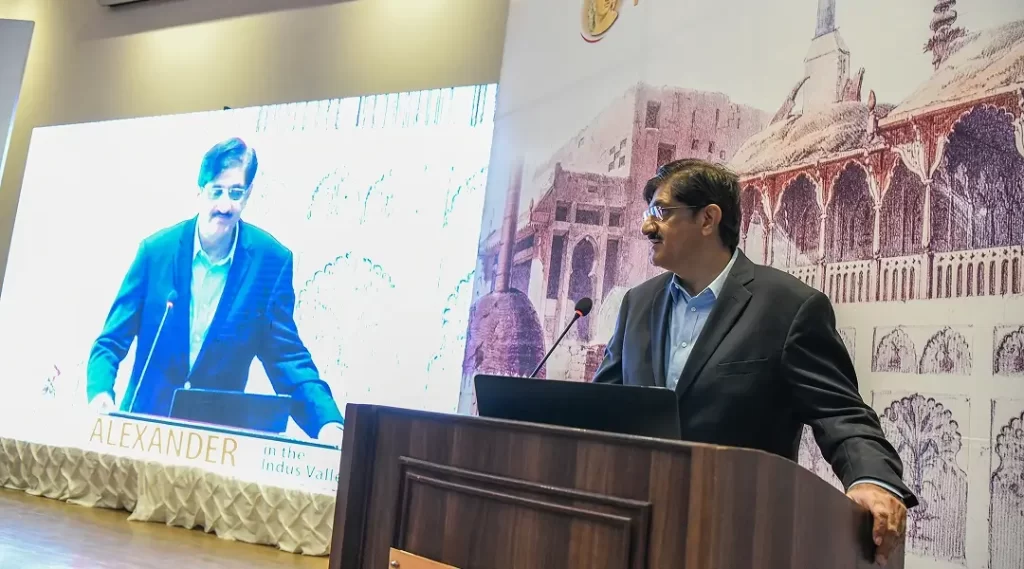
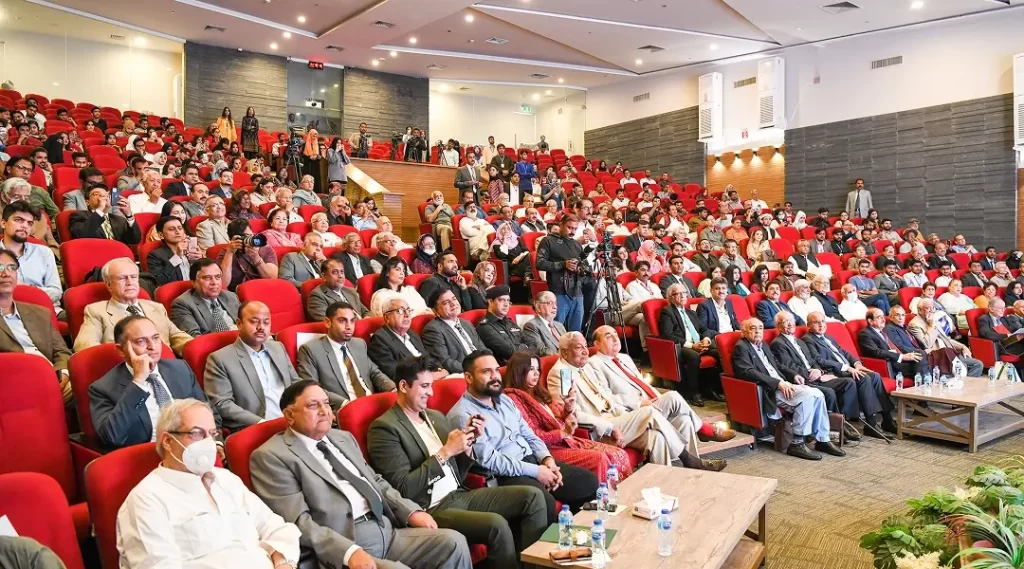
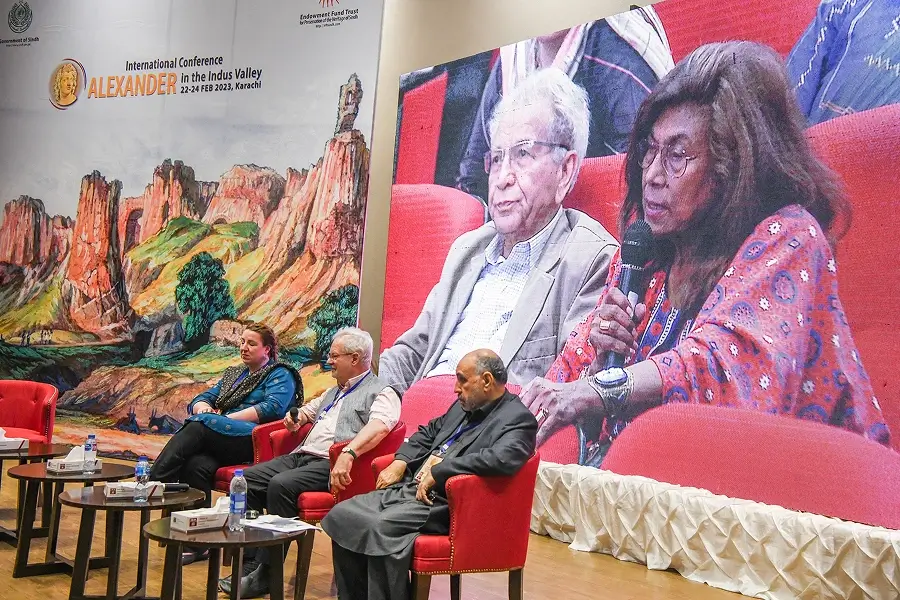
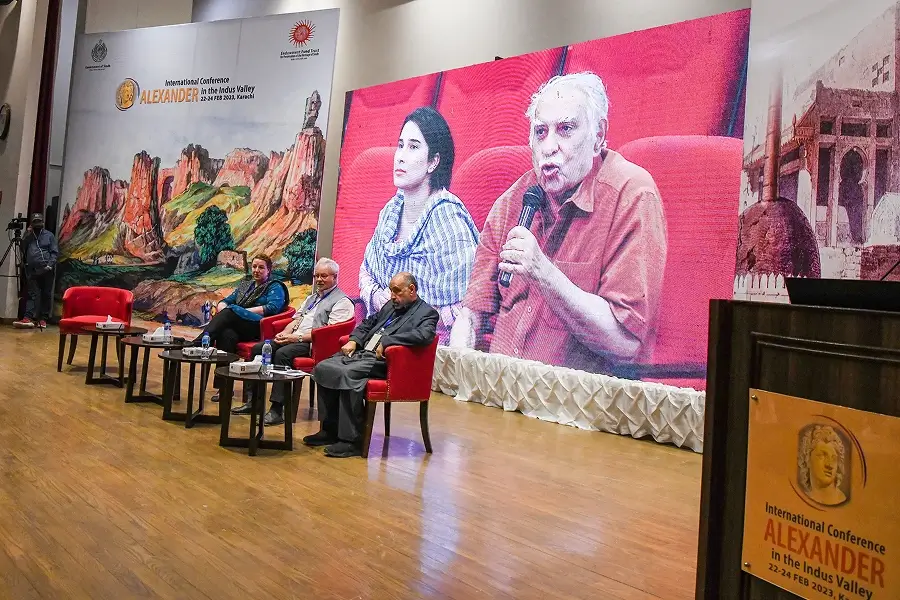
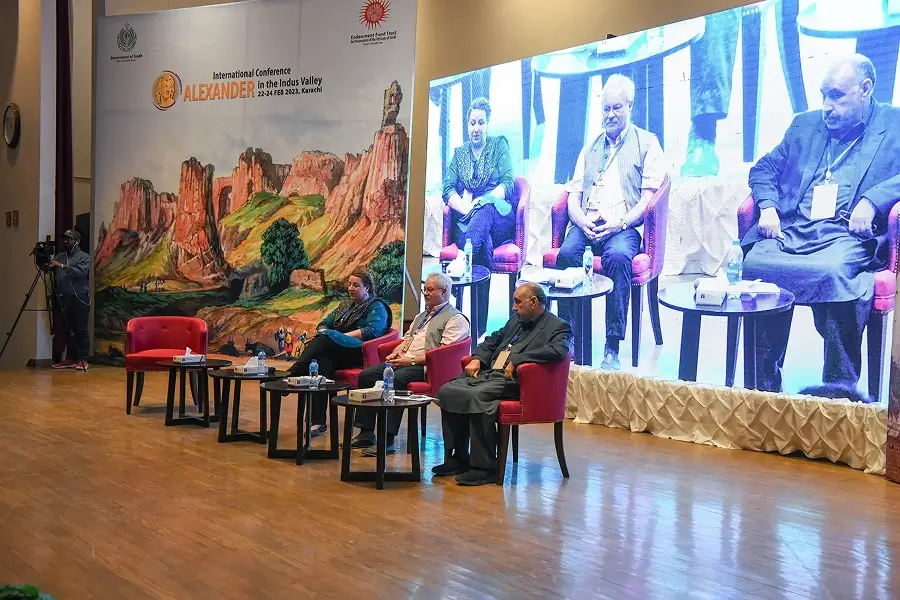
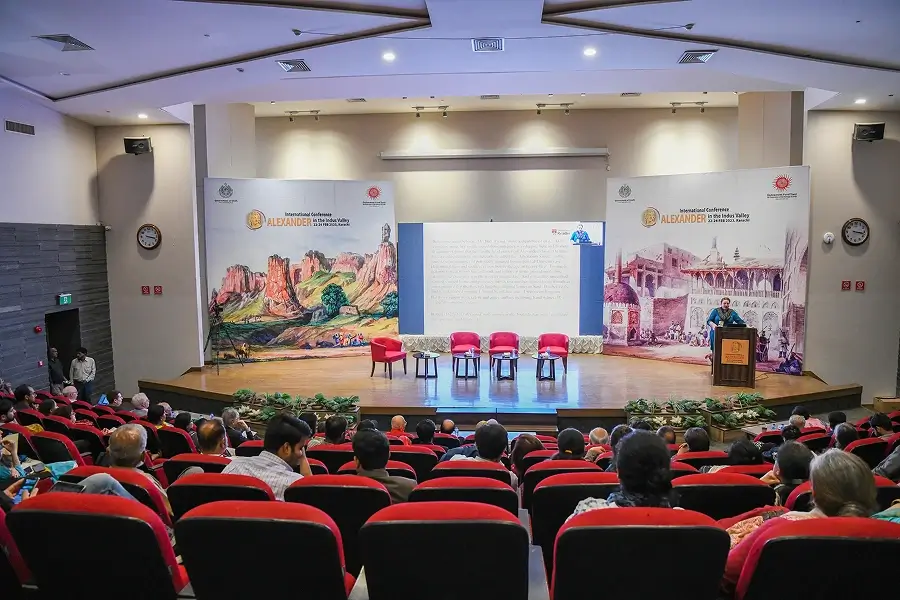
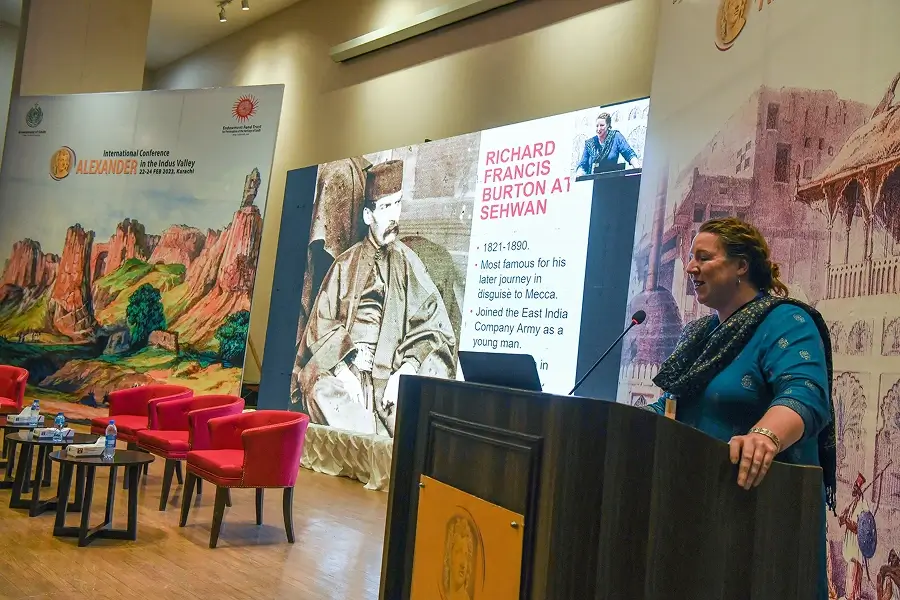
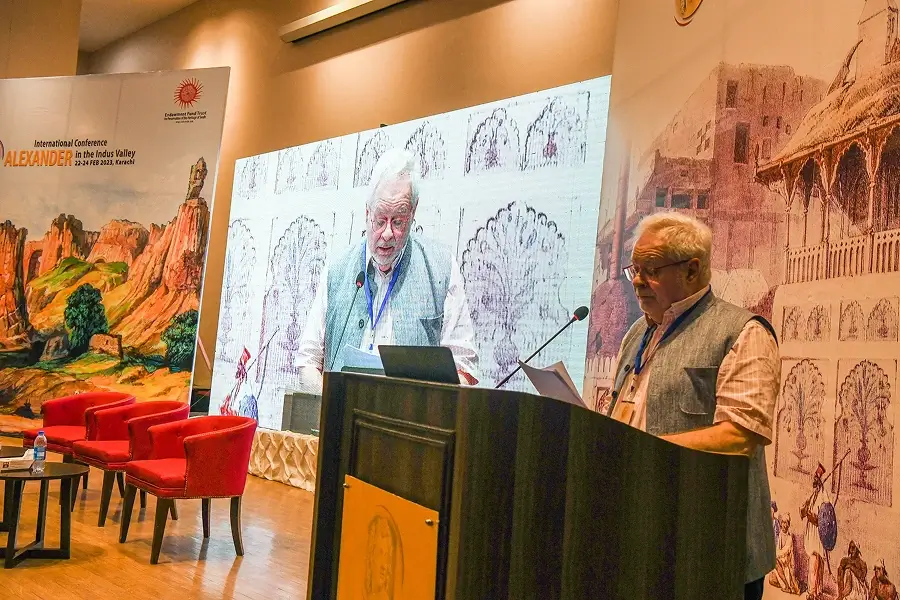
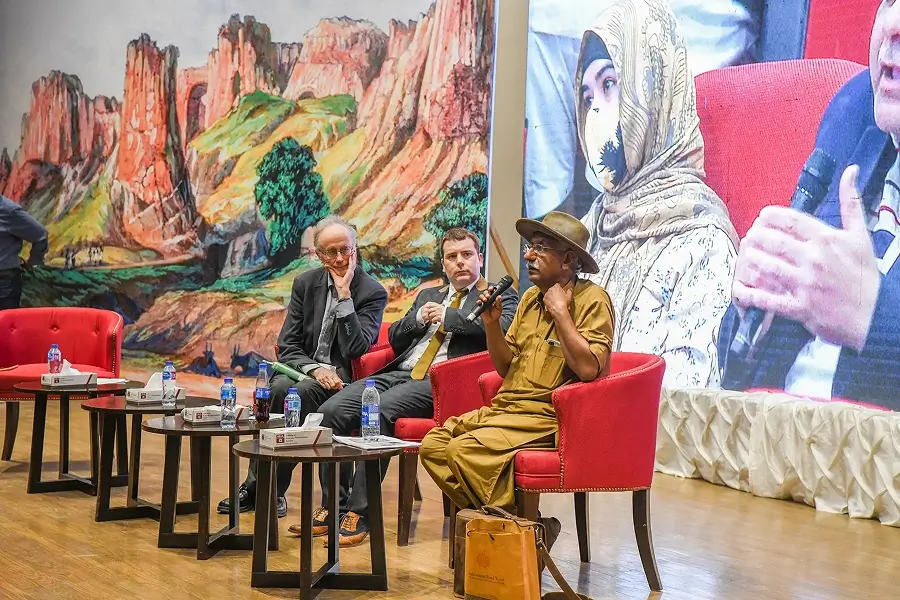
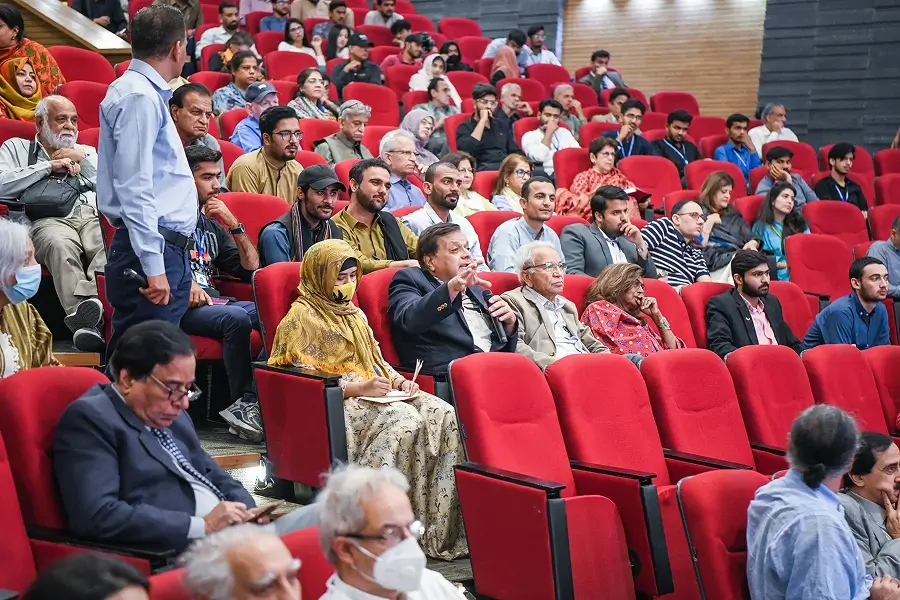
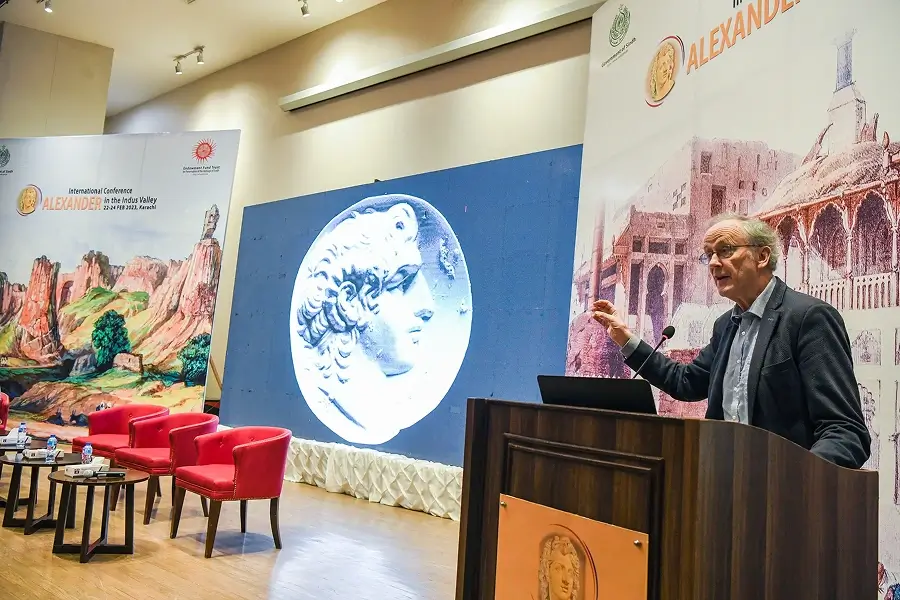
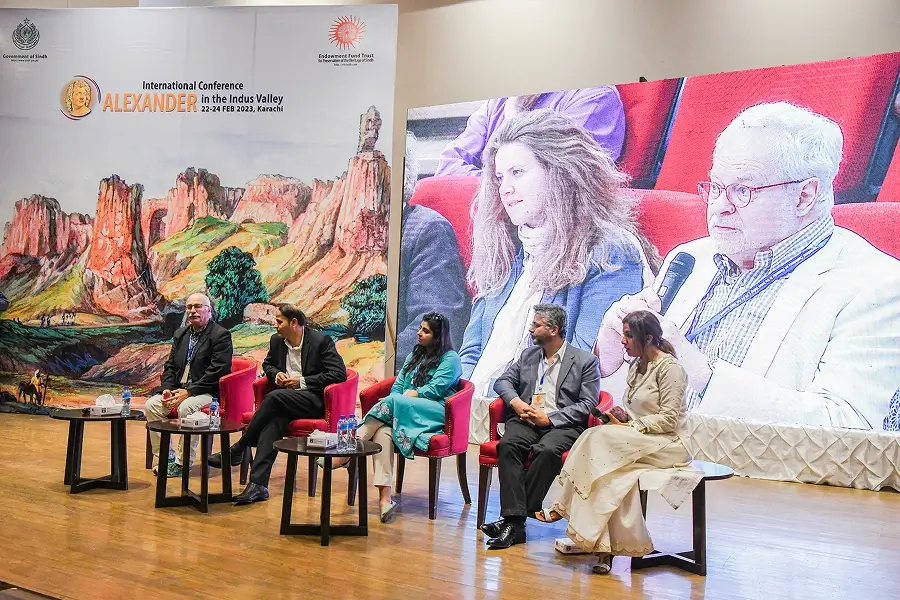
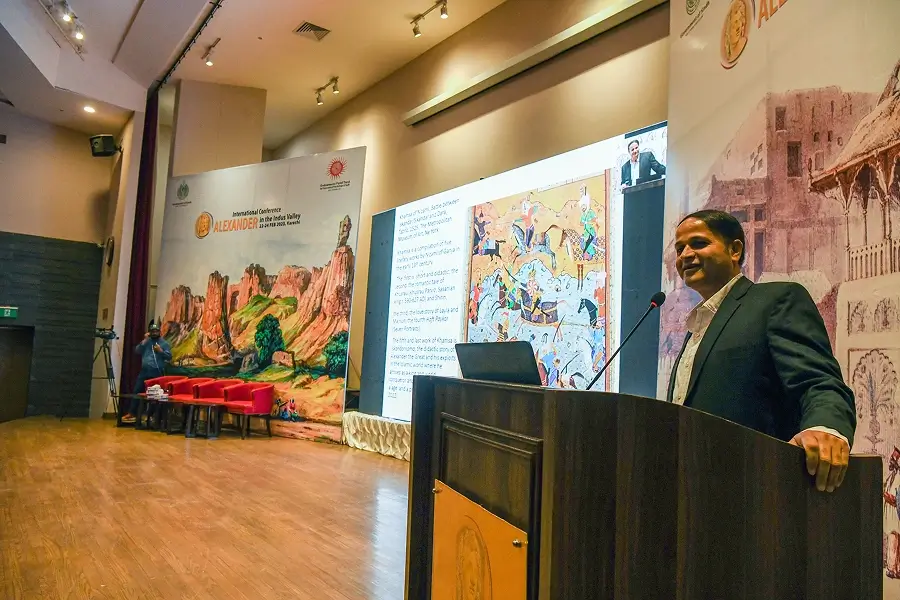
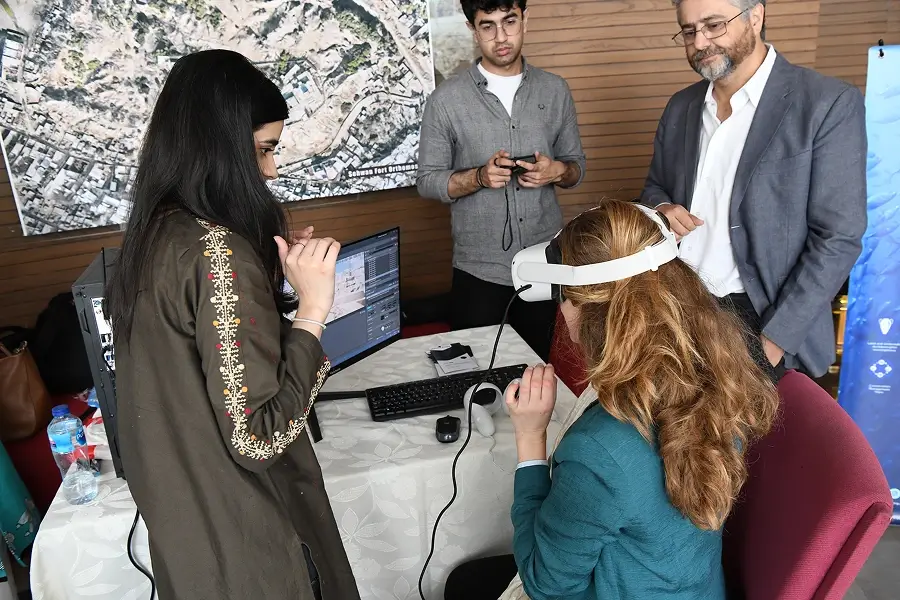
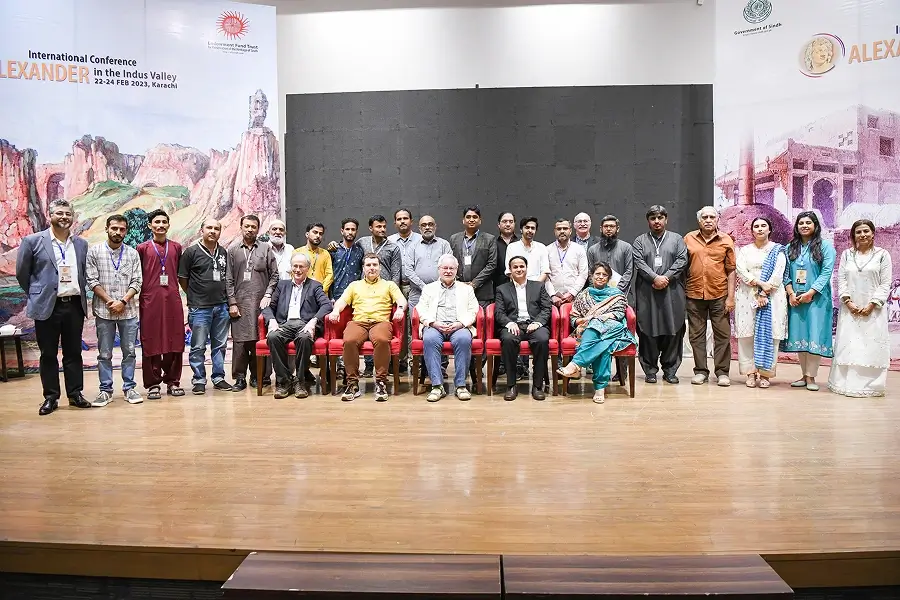
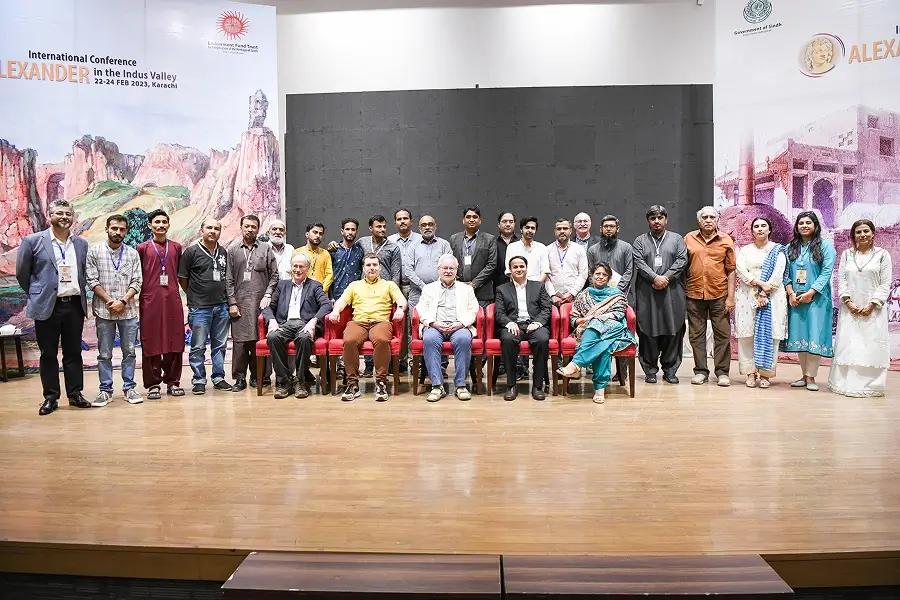
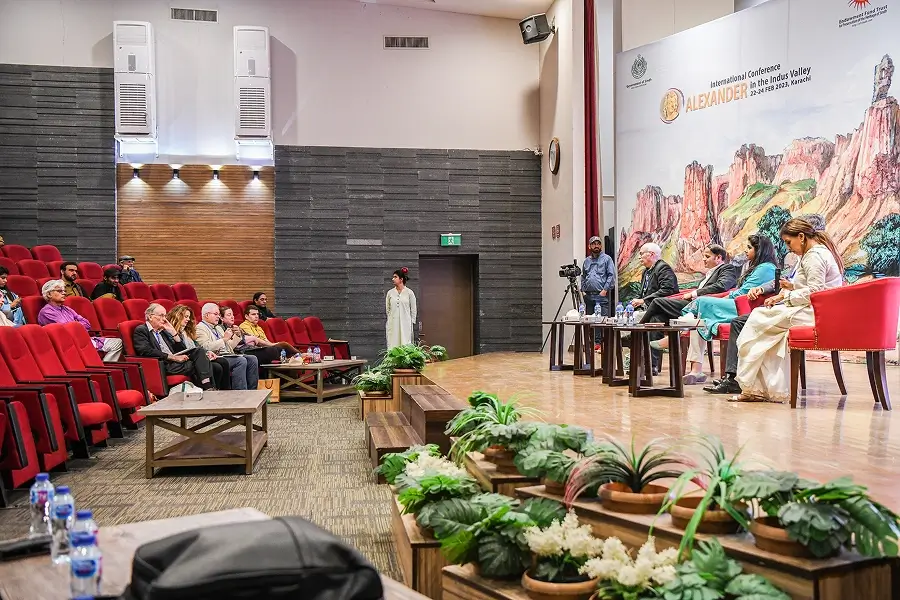
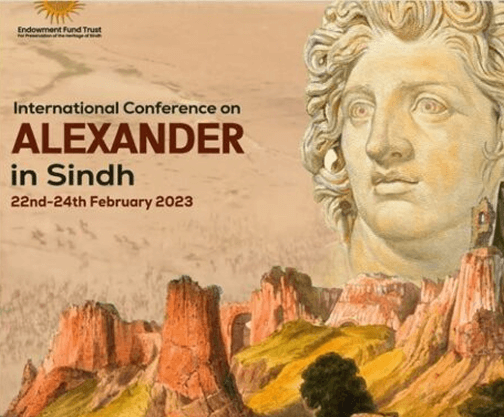
International Conference:
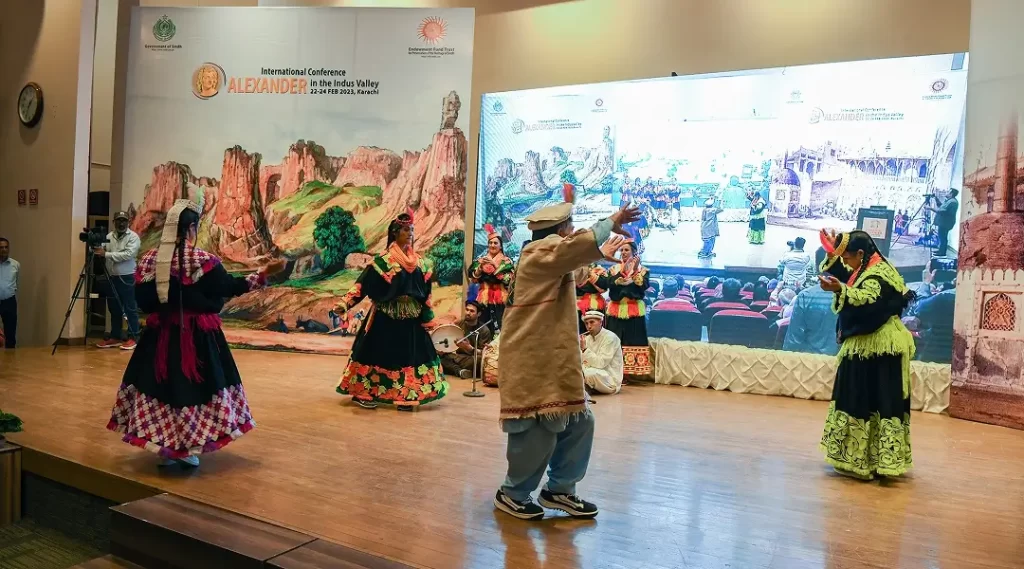
Alexander in the Indus Valley, 22nd Feb 2023.
Concept Note
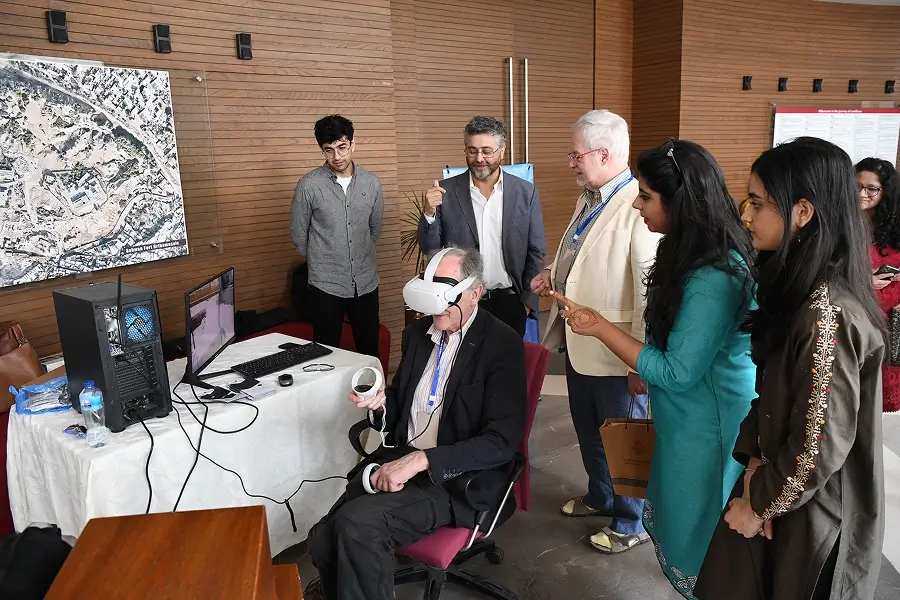
Alexander’s time in the Indus Valley, in comparison to his campaigns elsewhere, was comparatively brief, a mere two and a half years. However, the legacy he left behind defined a (cultural) epoch in this geographical region that is not understood and is usually overlooked. Certain scholars like Eggermont have explored in detail some aspects of the time he spent in the greater Indus region, primarily from his military campaigns. But, for the most part, scholars have failed to fully grasp what his incursions entailed, and what they mean for us today. Aside from the fatal injuries he sustained in battle here, his local alliances, the towns he set up under his name, and the rebellion of his army against a proposed larger campaign to the East (in mainland India), and the loss of part of his army in coastal Baluchistan, little else is inferred by scholars as to what his time here actually meant to the country. The main reason for this is the lack of archival evidence available to historians due to the antiquity of the Classical period, and the subsequent inability of ‘straight’ academic disciplines like History to be able to move forward on this matter.
In terms of cultural sentiment, unlike in neighbouring Iran, where he is seen in that country’s historical memory as a pariah, an invader who laid waste to Iran’s great Achaemenid civilisation, razing its cities and burning its libraries and religious literature, to an extent it is argued that Iran could not recover for centuries, Alexander’s time in the Indus Valley is regarded as being mostly favourable. This is primarily due to the alliances he made here, and the legacy he left behind, including settler towns that eventually intermingled and mixed into the local population. His mention has made its way into ballads and folklore, literature and song, phenomena which endure until today.
Chief Ministers Message about the International Alexander's conference
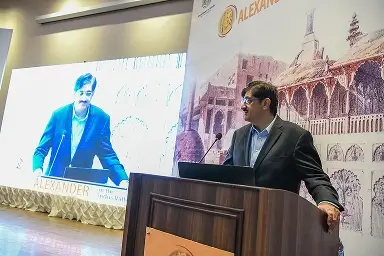
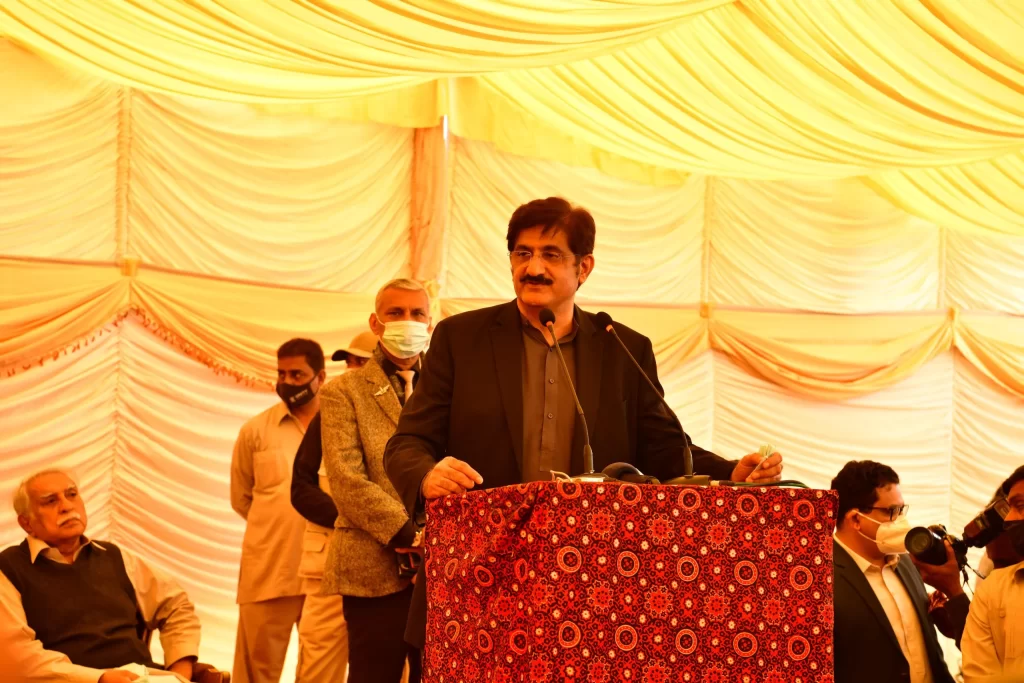
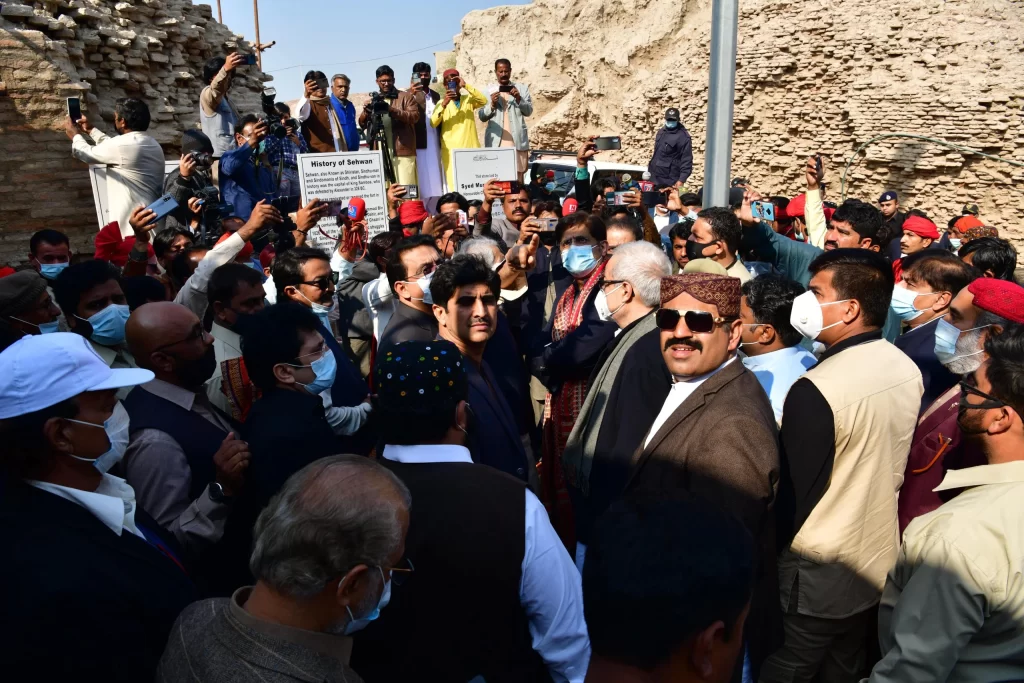
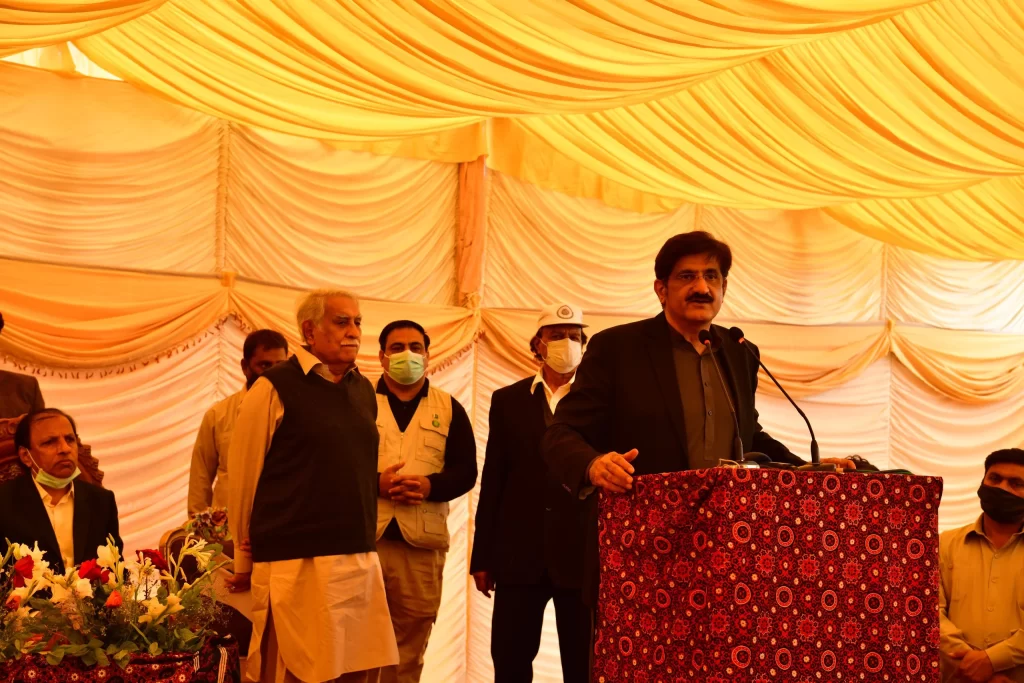
My first reaction when I was invited to place a brick marking the repair and conservation works at Sehwan Fort in January 2022, was the impulse to have an International Conference to highlight the grandeur of the Indus Valley at the time of Alexander and to create awareness to the ancient city of Sehwan and its Fort.
The Government of Sindh and the Endowment Fund Trust for the Preservation of the Heritage of Sindh have worked jointly to organize this conference which is being held at Karachi and Sehwan from 22nd February 2023.
This conference comes at a time when Pakistan and particularly Sindh is struggling to find its bearings from the throes of inundation caused by the mighty Indus and heavy rains. Through this conference we would like to draw the attention of the International community to support our efforts in restoring the confidence of our people who have suffered due to this environmental calamity. We hope that the holding of this conference will create awareness amongst the younger generation to the role of this great warrior in having preserved in time the people and areas of the world he visited and to promote our academia to carry out research into our glorious past.
We welcome eminent scholars who have responded to our invitation and joined us. I wish our guests a memorable stay and the organizer success in their endeavour.
I am delighted to be a part of this conference.
Syed Murad Ali Shah
International
Matthew Adam Cobbs
International
Dr. Paul Cartledge
International
Dr. Richard Stoneman
International
Dr. Rachel Mairs
Local
Nadeem Omar Tarar
Local
Dr Zain-ul-Wahab
Local
Zulfiqar Kalhoro
Local
Heba Hashmi & Heba Bezal
Dr. Matthew Cobb
Dr Matthew Adam Cobb is a lecturer in Ancient History at the University of Wales Trinity Saint David. He is the author of the monograph Rome and the Indian Ocean Trade: From Augustus to the Early Third Century CE (2018) and has edited the following books: The Indian Ocean Trade in Antiquity: Political, Cultural and Economic Impacts (2019); and Globalization and Transculturality from Antiquity to the Pre-Modern World (2022).
Heba Hashmi & Amir Bezal
Heba Hashmi: (Co-founder/CEO, MAHI) is a Maritime Archaeologist with 8 years’ experience of working in heritage management in Pakistan. Since 2019, she has been building Pakistan’s first platform dedicated to maritime archaeological research. Prior to co-founding MAHI, Heba was Project Development Officer at the Aga Khan Trust for Culture in Geneva, and Heritage Coordinator at the Aga Khan Cultural Service Pakistan. She has a Masters in Cultural Heritage Studies/Managing Archaeological Sites from University College London and received her fieldwork training certificates in Maritime Archaeology from the Balkan Heritage Field School (Bulgaria), the International Center for Underwater Archaeology (Croatia) and the Nautical Archaeology Society (UK). Amer Bazl Khan: (Co-founder/Director, MAHI) is a Maritime Archaeologist with over 17 years of experience in Australia and the broader Asia-Pacific region. Amer was the Principal Archaeologist for the State of Queensland, Australia at the Government Department of Environment and Science before returning to Pakistan in 2019. He is a member of the International Committee on the Underwater Cultural Heritage (ICUCH), an international scientific committee for the International Council on Monuments and Sites (ICOMOS) and a member of the ICOMOS Pakistan National Committee.
Dr. Paul Cartledge
Paul Cartledge was educated at Oxford University (1965-9), taking a double first in Classics (Mods & Greats) at New College. He took his DPhil in Classical archaeology and history in 1975: Supervisor Prof. Sir John Boardman; title 'Early Sparta c.950-650 BC: an archaeological and historical study'. He taught at the following universities: New University of Ulster (1972-3), Trinity College Dublin (1973-8), Warwick University (1978-9), and Cambridge University (1979-2014. He is now the A.G. Leventis Senior Research Fellow at Clare College Cambridge, and the retired A.G. Leventis Professor of Greek Culture, Cambridge University. He has written, co-written, edited or co-edited some 30 books, most recently Democracy: A Life, new edition (Oxford U.P. 2018) and Thebes: the forgotten city of ancient Greece (Pan Macmillan UK & Abrams, NY, 2021-2). His Alexander the Great: the Hunt for a New Past (Macmillan, UK, & Overlook Press, NY, 2004, Vintage pb 2005) [Greek trans. 2004, Bulgarian, Korean trans, 2005] .
Dr. Richard Stoneman
Richard Stoneman was educated at Oxford University and worked for thirty years as an editor at Routledge publishers. During that time, he began his researches on the Alexander Romance, publishing a translation of the Greek text in 1991, and his study Alexander the Great: A Life in Legend in 2008. In 1990 he was appointed an Honorary Fellow (now Honorary Professor) at the University of Exeter, and he taught there between 2008 and 2014. His twenty-plus books include translations of Greek and Latin works on Alexander, guidebooks to Greece and Turkey, and studies of Greek mythology, as well as The Ancient Oracles: Making the Gods Speak (2011) and Xerxes: A Persian Life (2015). His major study, The Greek Experience of India: From Alexander to the Indo-Greeks, appeared in 2019, followed by Megasthenes’ ‘Indica’: a new translation of the fragments, with commentary in 2022.
Dr. Rachel Mairs
Rachel Mairs is Professor of Classics and Middle Eastern Studies at the University of Reading, United Kingdom. She received her PhD from the University of Cambridge and has previously held positions at New York University, the University of Oxford and Brown University. Her research encompasses multilingualism and cultural interaction in the ancient world (especially Egypt and Central Asia) and in the nineteenth-century Middle East. Her books include The Hellenistic Far East: Archaeology, Language and Identity in Greek Central Asia (2014), Archaeologists, Tourists, Interpreters (with Maya Muratov, 2015), From Khartoum to Jerusalem: The Dragoman Solomon Negima and his Clients (2016) and (as editor) The Graeco-Bactrian and Indo-Greek World (2020).
Nadeem Omar Tarar
Dr. Nadeem Omar Tarar has a Post-Doctorate from the Aga Khan Program for Islamic Architecture, MIT, USA, a Ph.D. in Art History and Theory, from the University of New South Wales, Australia, and an MA in Critical Theory and Cultural Studies, from the University of Nottingham, UK and MSc in Social Anthropology from Quaid-a-Azam University, Islamabad. He enjoys more than 25 years of accumulative experience in research, documentation, training, and management, which includes 15 years of working and heading the departments at NCA Lahore, and 05 years of educational administration of NCA's second campus, as Director, NCA Rawalpindi. Currently, Dr. Tarar serves as the Gandhara Chair in Art History and Cultural Studies at the University of Wah, Pakistan. Previously he worked as the Executive Director of the Center for Culture and Development, an Islamabad-based research and policy center. He is also the founding member of Gandhara Resource Center Pakistan and Vice President of the Council of Social Sciences, Pakistan. Dr. Tarar is a prolific writer and a public speaker. He has published in international academic journals on the history and anthropology of colonial education, cultural history, and religious heritage tourism in Pakistan. He is an op-ed writer for leading English dailies, and a frequent commentator on television and radio on social, cultural, human, and animal rights issues. As a professional anthropologist, he has traveled widely in the country and done ethnographic fieldwork and cultural heritage documentation in all the major cultural zones of Pakistan. He has led various initiatives of the provincial and federal governments, as well as international institutions. Dr. Tarar has also organized international festivals, seminars, conferences, and curated exhibitions, along with engaging parliamentarians, ambassadors, and high officials of the civil and military bureaucracy in a promising dialogue on education, culture, and heritage.
Zulfiqar Kalhoro
Zulfiqar Ali Kalhoro is an anthropologist and author of many books. His area of interest is religion, Sufism, art, and heritage of Pakistan, especially Sindh. Punjab, Balochistan, KPK, and Gilgit-Baltistan hertiage, Sufism, folk art, rock art, and Islamic architecture are also subjects of his study. His recent books: Memories, mystics, and monuments of Pothohar (2022). Glimpses of Sindhi Heritage (2021). Wall Paintings of Sindh (2020). The Rock Art of Karachi (2020).
Salman Rashid
Fellow of Royal Geographical Society, Salman Rashid is the author of fourteen books [The Apricot Road to Yarkand , Jhelum: City of the Vitasta, Sea Monsters and the Sun God: Travels in Pakistan, Salt Range and Potohar Plateau, Prisoner on a Bus: Travel Through Pakistan, Between Two Burrs on the Map: Travels in Northern Pakistan, Gujranwala: The Glory That Was, Riders on the Wind, Deosai: Land of the Giant, A Memoir of Partition, From Landi Kotal to Wagah: Cultural Heritage Along the Grand Trunk Road, Gwadar Song of the Sea Wind, Mithi, Whispers in the Sand and Ziarat: Ecotourist's Guide]; all books are available at Sang e Meel (042-3722-0100), Lahore]. He is the only Pakistani to have seen the North Face of K-2 and trekked in the shadow of this great mountain. His work - explorations, history, travels - appears in almost all leading publications and on this blog.
Zain Ul Wahab
Dr. Zain-ul-Wahab currently holds the position of Chairman in the Department of Conservation Studies, Hazara University, Mansehra. Dr. Wahab completed his M.A. in Archaeology from the University of Peshawar in 1984. He worked at administrative and research positions at different museums of Khyber Pakhtunkhwa, Pakistan. He helped the provincial directorate in establishing new museums. During his job he worked in different excavation projects and is considered the pioneer of excavation in the province. He completed his Ph.D. in 2004 from the University of Ioannina, Greece. He also completed two projects during his postdoctoral stay in Greece. The Government of Greece awarded him the Gold Medal, Ambassador of Hellenism in 2005. Furthermore, he is awarded with five National Awards for his services for the development of the field. During his stay in Greece, he studied Greek Archaeology and explored its effect on the East. In this regard, he authored three books and forty research articles. He has presented his work in different National and International conferences and organized a number of exhibitions. He is one of the best Greek and Classical Buddhist art experts in the country. He is a determined archaeologist and was nominated for the highest national award Sitara-e-Imtiaz for his services during the Taliban era in the region.
International
Mr. Michel Boivin
International
Dr. Annabelle Collinet
International
Dr. Robin Lane Fox
International
Dr. Flora Karagianni
International
Dr Polyxeni Adam-Veleni
Local
Abdul Hameed Baloch
Mr. Michel Boivin
Michel Boivin is historian and anthropologist, with a specialization in the field of Islamic Studies. He has been member of the national committee of the national centre of scientific research, or CNRS, as well of director of the Centre for South Asian Studies, CNRS-EHESS. Member of the Centre for the Study of South Asia and the Himalayas (CESAH), he teaches Historical Anthropology of the Muslim Societies in South Asia at the School of Advanced Studies in Social Sciences (EHESS), where he also supervises PhD students. He is co-founder and co-editor of the Journal of Sindhi Studies (Brill Publishers) and Critical Pakistan Studies (University of Cambridge Press). In November 2022, he has organized with Rémy Delage (CNRS-CESAH) the first Social Sciences Winter School in Karachi, with Prof. Akbar Zaidi, Executive Director of IBA. He is the author or (co-)editor of eighteen books, the two last ones being The Sufi Paradigm and the makings of a vernacular knowledge in Colonial Sindh (1851-1923) (New York, Palgrave, 2020), and The Hindu Sufis of South Asia. Partition, Shrine Culture, and the Sindhis of India (London & New York, I. B. Tauris, 2019). He has two forthcoming books. The first one is the English translation of a book already published in French, The Aga Khan and the Khojas: Religious Authority and Social Formation in an Ismaili Shia community from South Asia, to be published by Brill. The second is a book he co-edited with Manoël Pénicaud (CNRS-IDEMEC) with the title Inter-religious Practices and Saint Veneration in the Muslim World. Khidr/Khizr from the Middle East to South Asia, to be published by Routledge.
Dr Polyxeni Adam-Veleni
Dr. Polyxeni Adam-Veleni studied Archaeology and Theater, with master in both fields and PhD in Archaeology, has been Director of the Ephorate of Antiquities in Pieria (2003-2006), Director of Archaeological Museum of Thessaloniki (2006-2018), Directror of the Thessaloniki Ephorate of Antiquities (2017-2018) and since July 2018 she is General Director of Antiquities of the Ministry of Culture and Sport. She is Professor at the Greek Open University and International Hellenic University and visiting professor at universities in Europe and the US. She has conducted numerous rescue and systematic excavations in Central and Western Macedonia (Greece), she was in charge of the Excavation and Restoration Project of the Roman Forum in Thessaloniki (1989-2009) and in Head of the excavation team of Metro Station in Thessaloniki (2017-2019), organized or participated in more than 167 museums exhibitions in Greece and abroad, organized or participated in more than 85 panhellenic and international conferences, has conducted or participate in 4 European Projects, has published 162 articles in scientific journals, 9 monographs and has edited more than 80 publications. She has been awarded and honored many times and for different reasons (best of them are 2008: Metal of Solidarity of Knight the Italian Republic, 2013: Metal of Arts and Literature of Knight the French Republic, 2019: Doctor Honoris cause in the Sorbonne University, Paris, 2021 Metal of the Order of Merit in Polish Republic). Along with archaeology she deals with theater, literature and painting.
Dr. Annabelle Collinet
Dr Annabelle Collinet (Curator, Department of Islamic Art, Louvre Museum and associate researcher at CéSor - Centre d'études en sciences sociales du religieux, EHESS/CNRS) studied at the University of Paris1 Panthéon-Sorbonne and works on the archaeological material and arts of the Iranian and Indian worlds. She is co-author of Nishapur Revisited (Oxbow Books, 2013), co-editor of Bodies and Artefacts: Relics and other devotional supports in Shia societies in the Indic and Iranian worlds (Brill, 2020) and has recently published Precious Materials: Metal Arts in the Medieval Iranian World (in french, Louvre Editions/Faton, 2021). She is currently preparing the second volume devoted to the metal wares collection of the Louvre Department of Islamic Art.
Dr. Robin Lane Fox
Robin Lane Fox is an Emeritus Fellow of New College, Oxford where he was Tutor in Ancient History from 1977-2014.He was also Lecturer, then Reader in Ancient History in the University of Oxford from 1977 to 2014. His many books have been widely translated, especially his prize-winning Alexander the Great, first published in 1973. He was the historical consultant for Oliver Stone’s epic film Alexander (2004), in which he led Alexander’s cavalry on screen.
Dr. Flora Karagianni
Flora Karagianni has studied History and Archaeology in the Department of History and Archaeology of the Aristotle University of Thessaloniki, where she continued her postgraduate studies (MA and PhD) on Byzantine Archaeology and Art. Later on, she took a diploma of the Theology from the Theological School of the same University. Since 1995 she has been working in the Ministry of Culture, where she serves as Director in the European Centre for Byzantine and Postbyzantine Studies as well as Head of the Department of Byzantine and Postbyzantine Antiquities in the Ephorate of Antiquities of Thessaloniki City. She has given courses on Byzantine Art and Archaeology in the International Hellenic University, in the University of Thessaly, in the Technological Institute of Larissa and in the School of Guides. In her scientific interests are included topics in the field of architecture, art and iconography. She has written two books, she has edited many others, she has participated in many international and Hellenic conferences, she has published more than 50 studies and she has given lectures in Greece and abroad on byzantine archaeology and art. She has particularly undertaken the scientific organization of conferences and exhibitions for several Byzantinological topics in Greece and abroad. Recently she was the curator of the digital exhibition: “The Legend of Alexander the Great as Byzantine Legacy. The Testimony of a byzantine manuscript” (India, New Delhi, 12-16 December 2022).
Fakir Syed Aijazuddin
Mr Fakir Syed Aijazuddin, OBE, FCA, has had a distinguished professional career as a Chartered Accountant at a senior level in the private and public sectors, both in Pakistan and abroad. In addition, he is an internationally recognised art-historian and author of more than a dozen books. Their subjects include a catalogue of miniature painting from the Punjab Hills, the work of 19th century British and European artists who visited the Punjab and other areas that are now Pakistan, a definitive monograph on antique maps of the region, two books on the history of Lahore, one on Dr Henry Kissinger's secret visit to China in July 1971, another on President Richard Nixon's policy towards Pakistan during 1969-1974, and a recently published volume of memoirs. He is a feature writer for DAWN, Pakistan's leading daily English language newspaper.
Fakir Syed Aijazuddin
Mr Fakir Syed Aijazuddin, OBE, FCA, has had a distinguished professional career as a Chartered Accountant at a senior level in the private and public sectors, both in Pakistan and abroad. In addition, he is an internationally recognised art-historian and author of more than a dozen books. Their subjects include a catalogue of miniature painting from the Punjab Hills, the work of 19th century British and European artists who visited the Punjab and other areas that are now Pakistan, a definitive monograph on antique maps of the region, two books on the history of Lahore, one on Dr Henry Kissinger's secret visit to China in July 1971, another on President Richard Nixon's policy towards Pakistan during 1969-1974, and a recently published volume of memoirs. He is a feature writer for DAWN, Pakistan's leading daily English language newspaper.
Dr. Abdul Hameed Baloch
Dr. Abdul Hameed Baloch has studied B.Sc. (Hons.) in Botany (Major) and Microbiology and Physiology (Minor) in 1990, University of Karachi, Pakistan (with distinction). He completed his PhD in 2001 from McGill University, Montreal, Quebec, Canada. Dr. Abdul Hameed Baloch has previously worked as a Research Fellow (January–October 1992) at the PCWR Project, Department of Botany, University of Karachi, Pakistan, and as a Lecturer at the Department of Botany, University of Balochistan, Quetta, Pakistan. He also worked as a Teaching Assistant (1999–2000) at the Department of Plant Sciences, McGill University, Montreal, Quebec, Canada, and as an Assistant Professor, Faculty of Agriculture, Water and Marine Sciences, Lasbela University of Agriculture, Water and Marine Sciences (LUAWMS), Uthal, Balochistan, Pakistan.
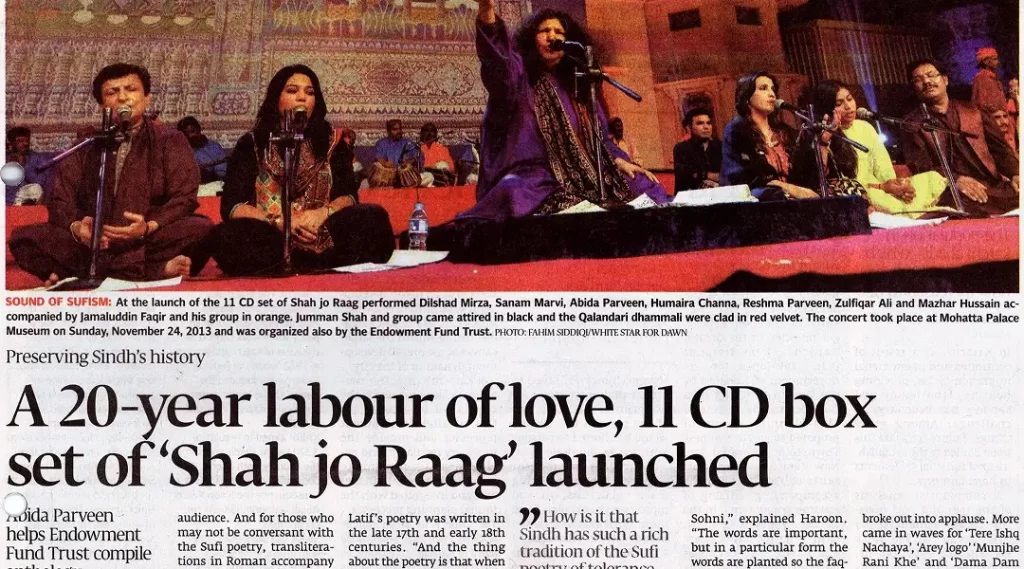
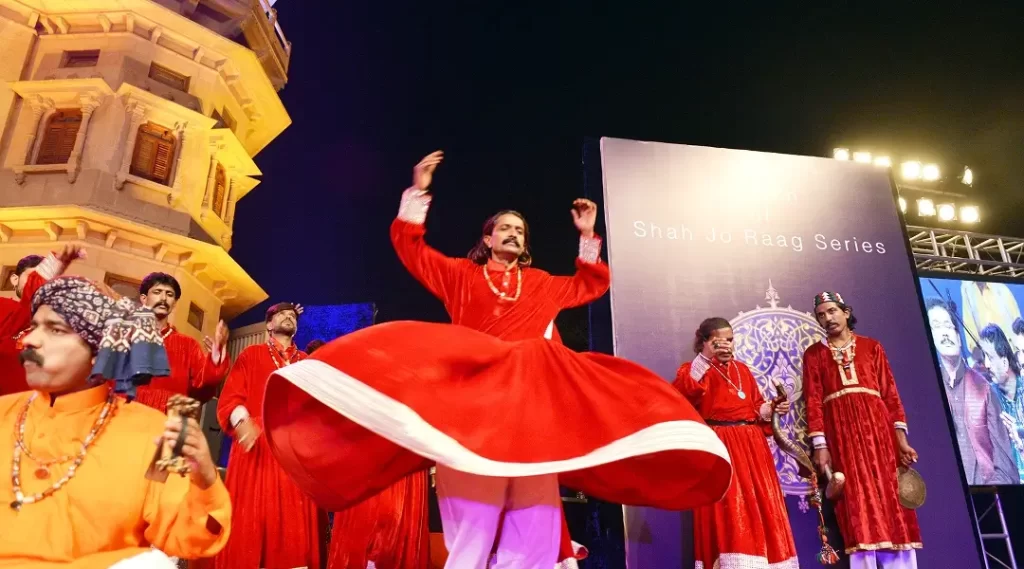
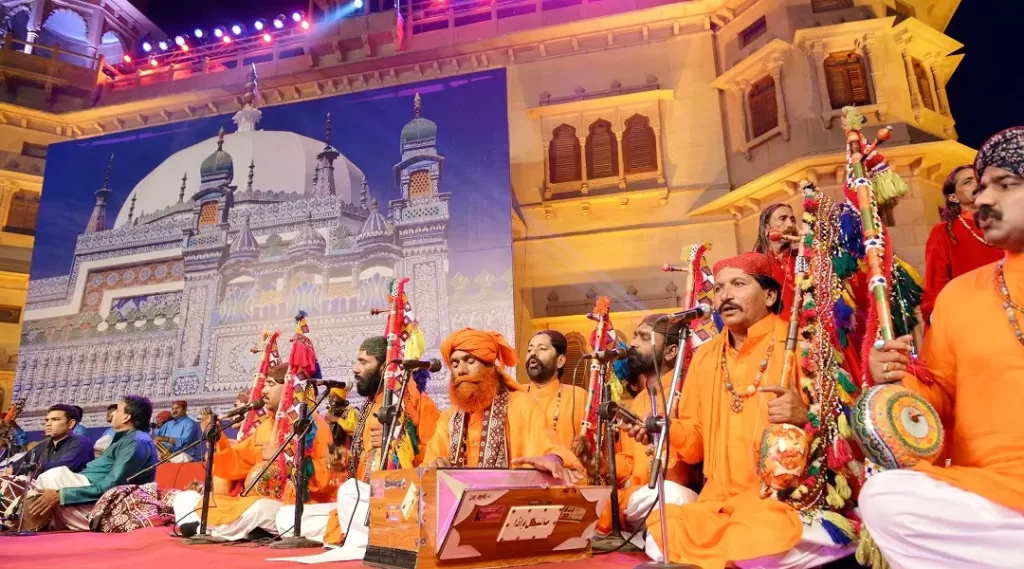
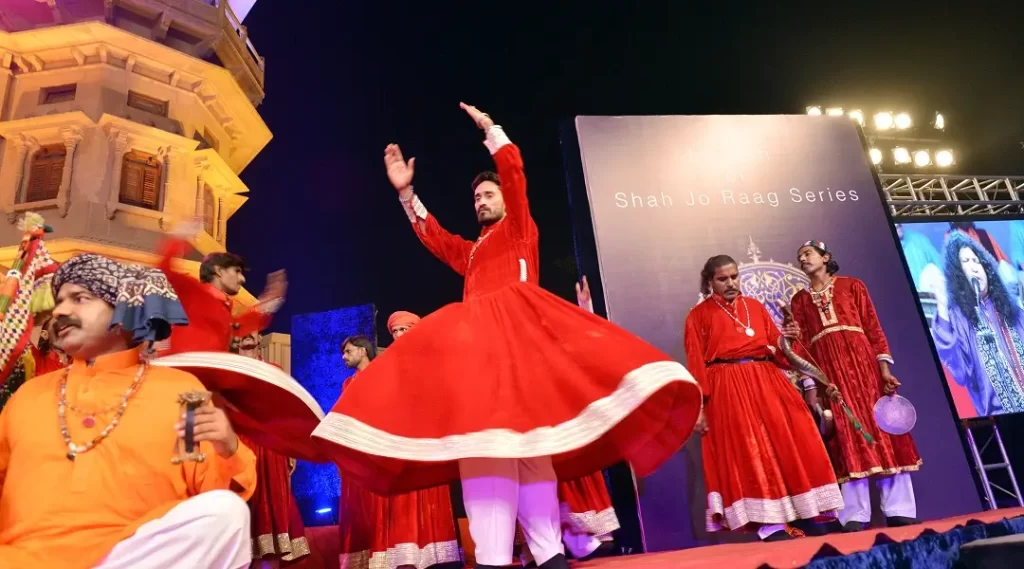
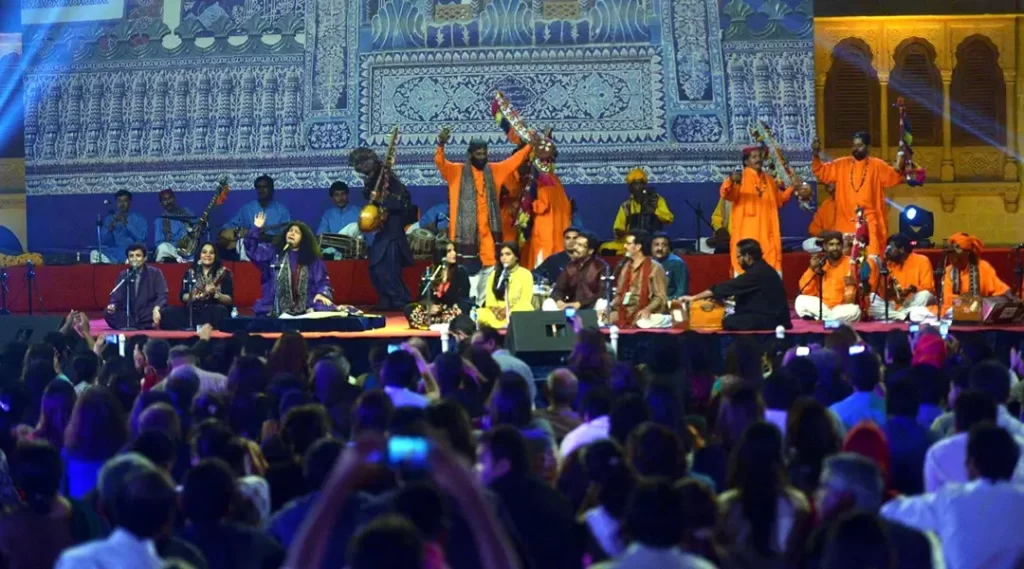
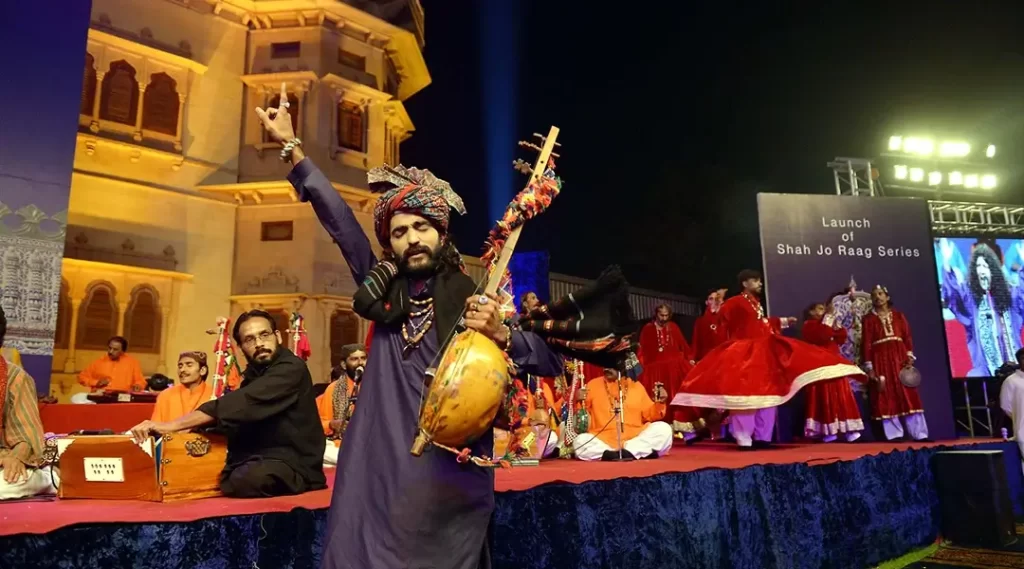
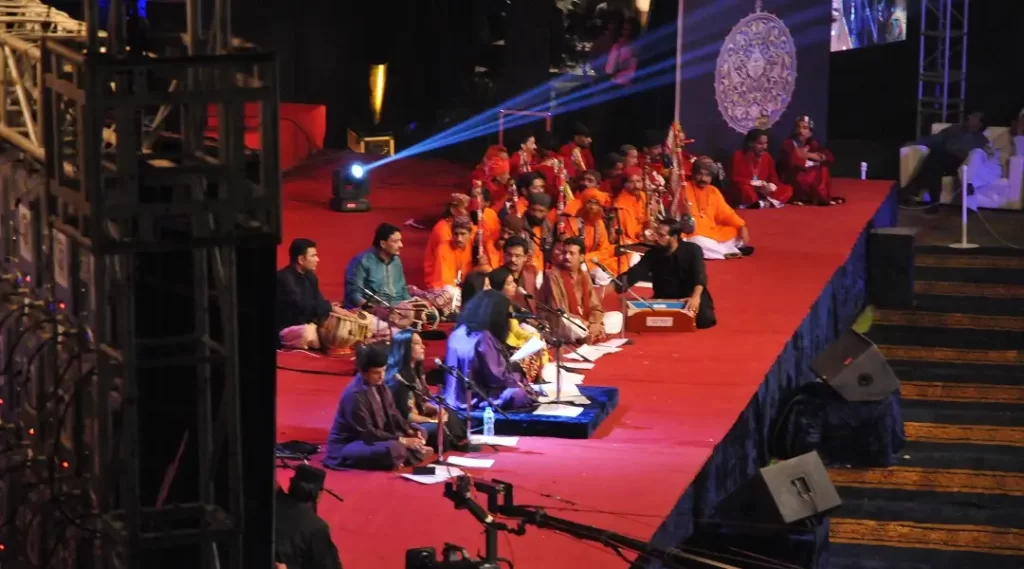
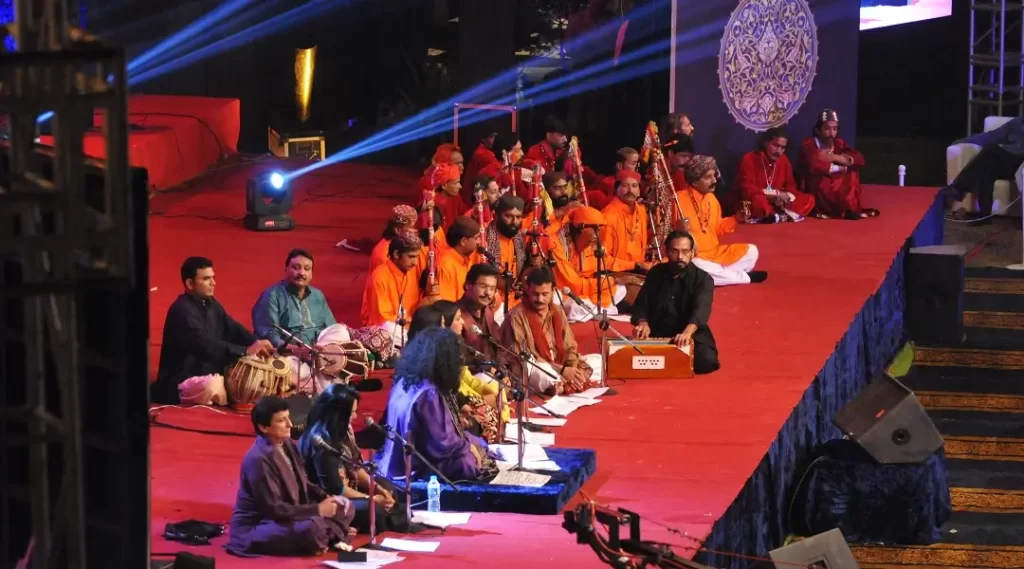
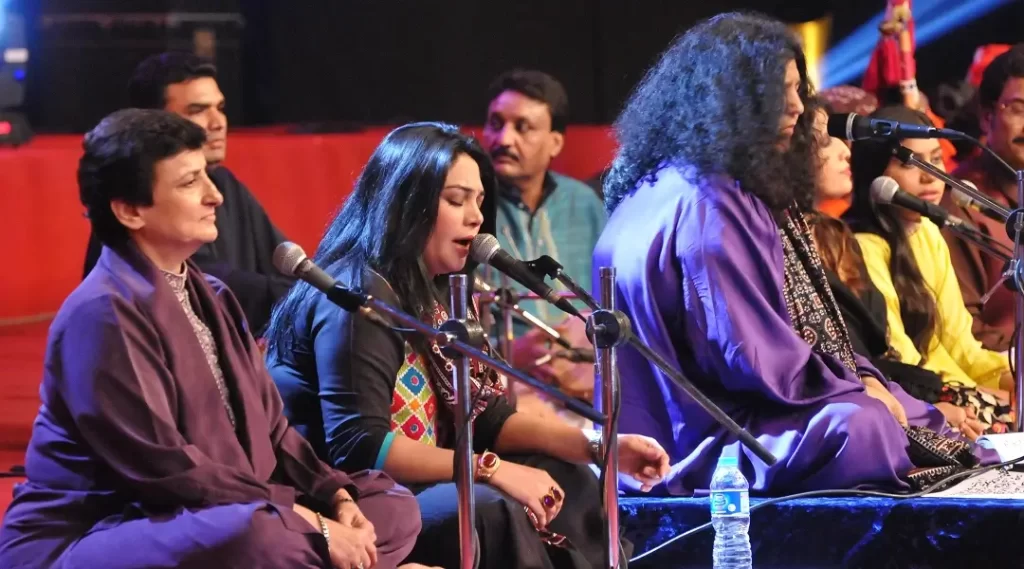
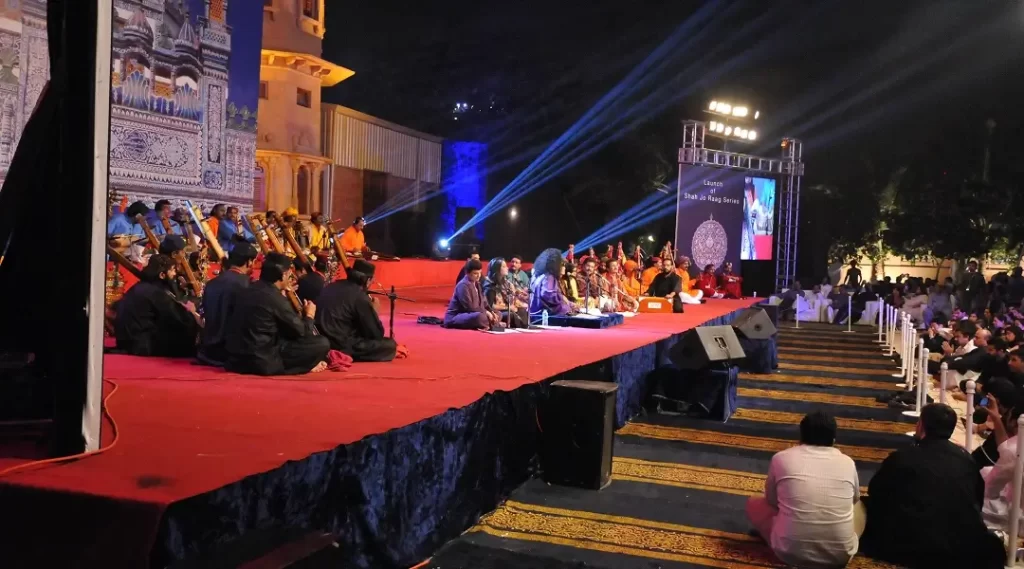
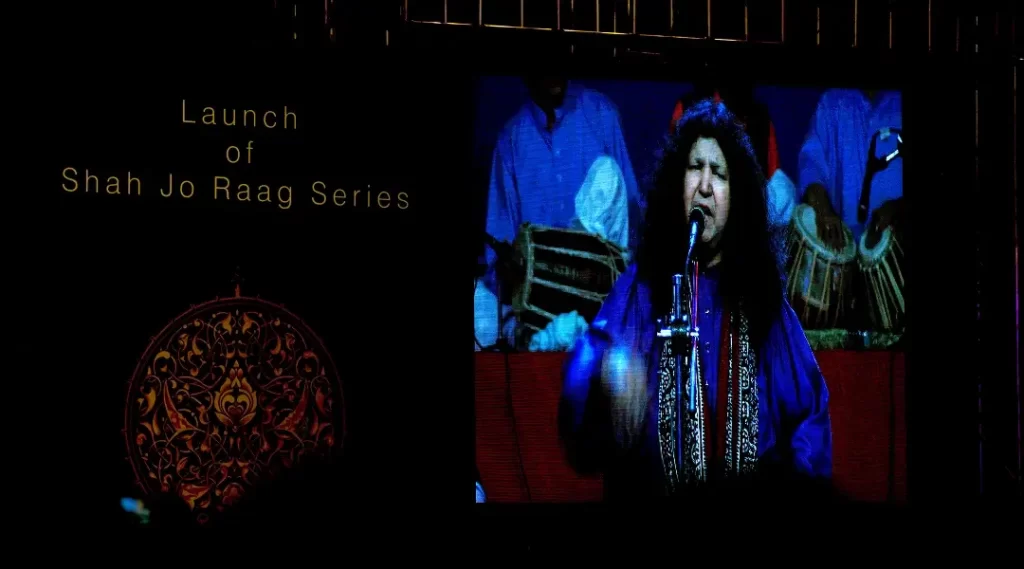
Shah Jo Raag
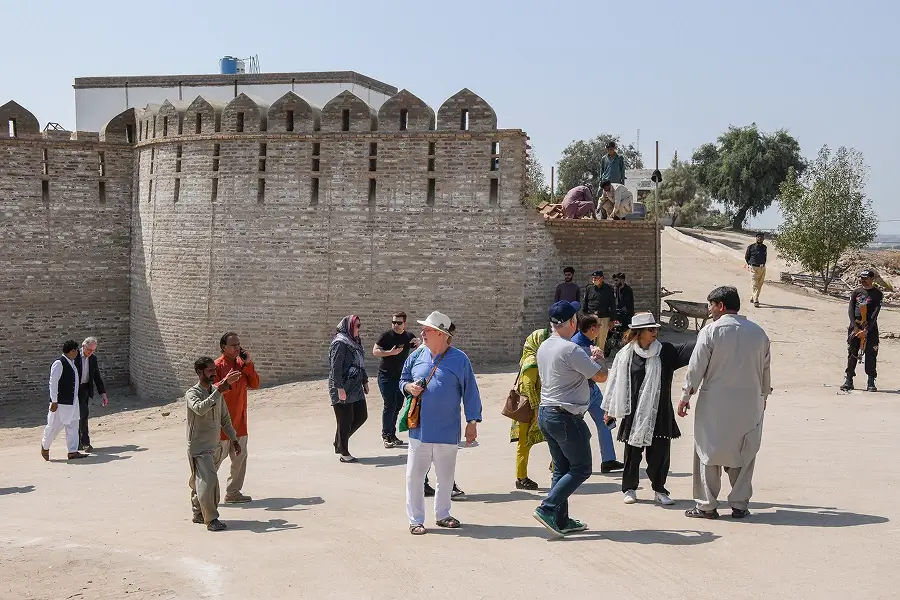
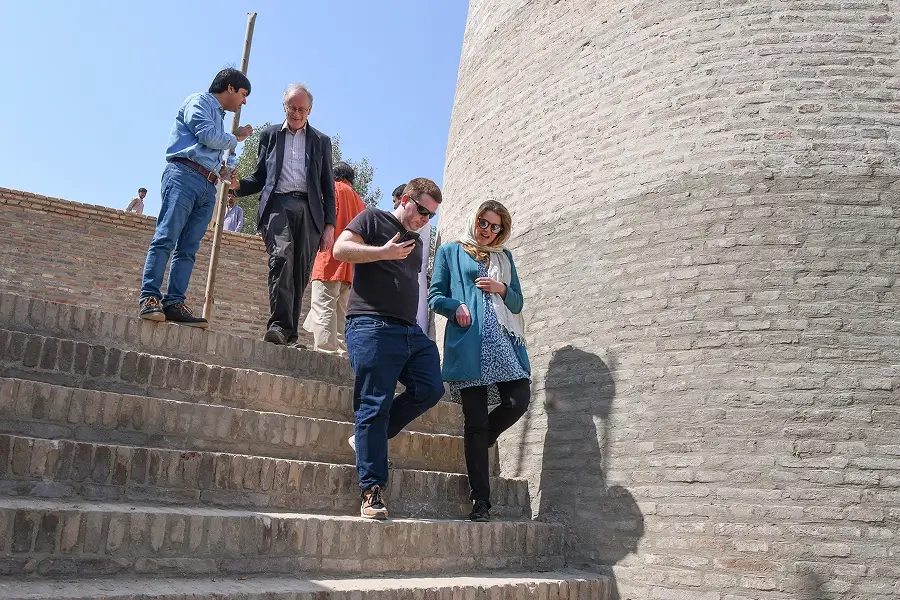
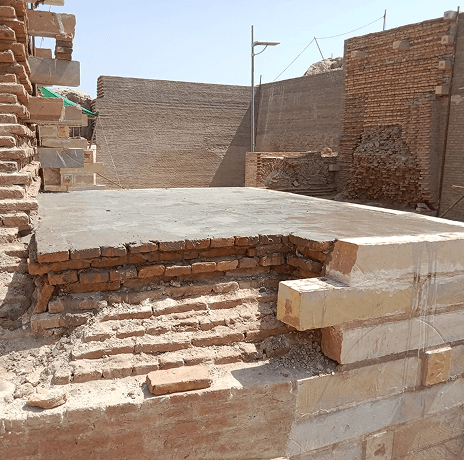
Restoration of the Sehwan Fort
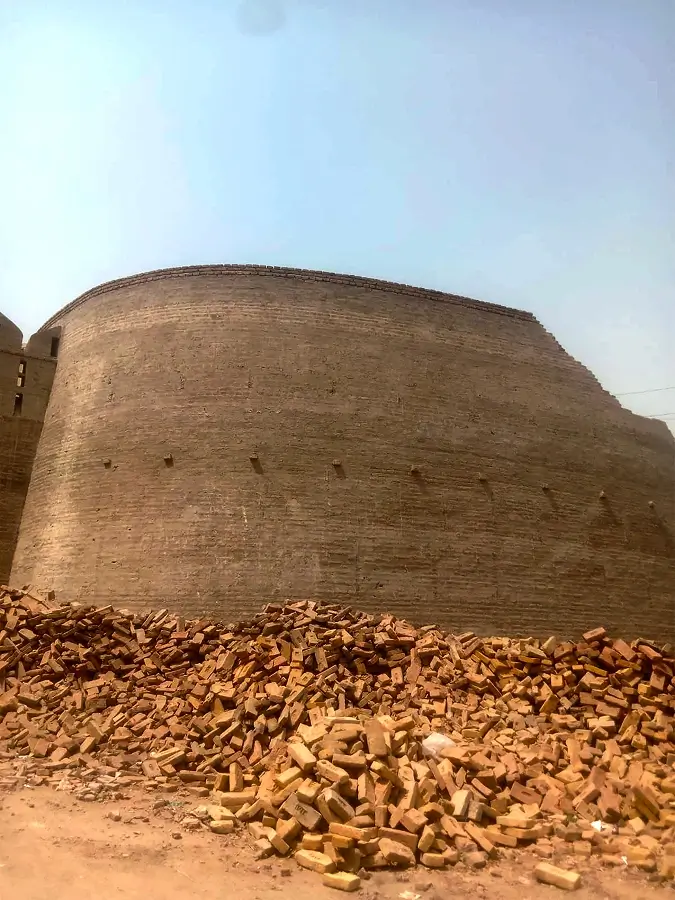


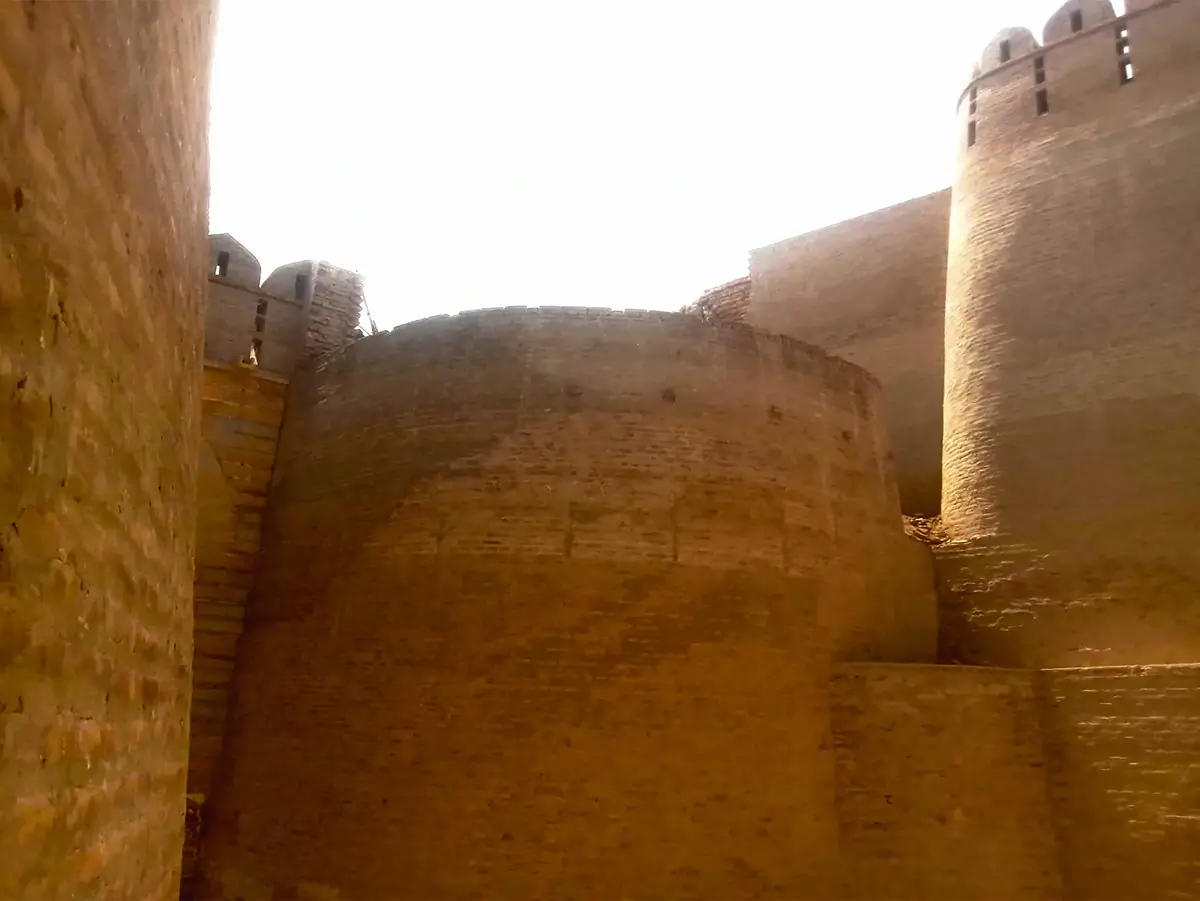
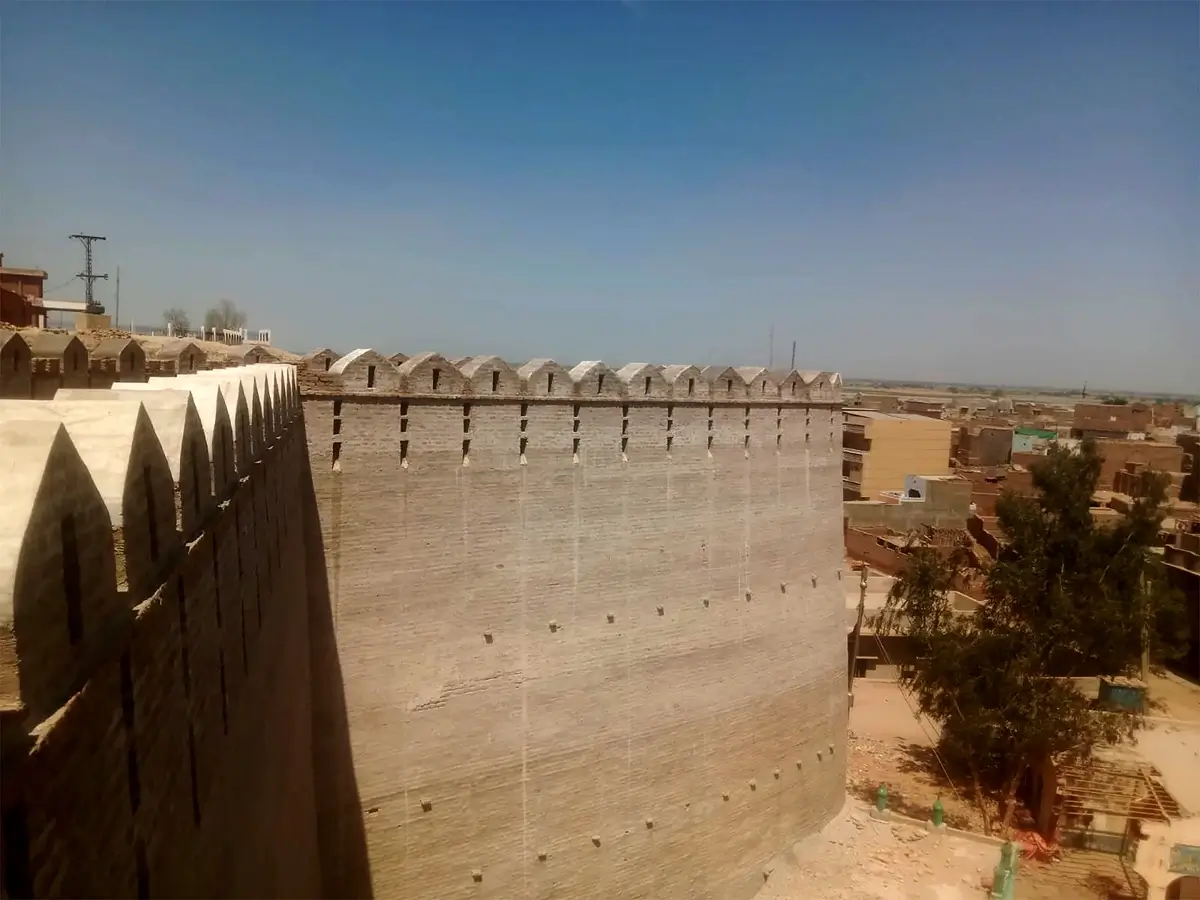
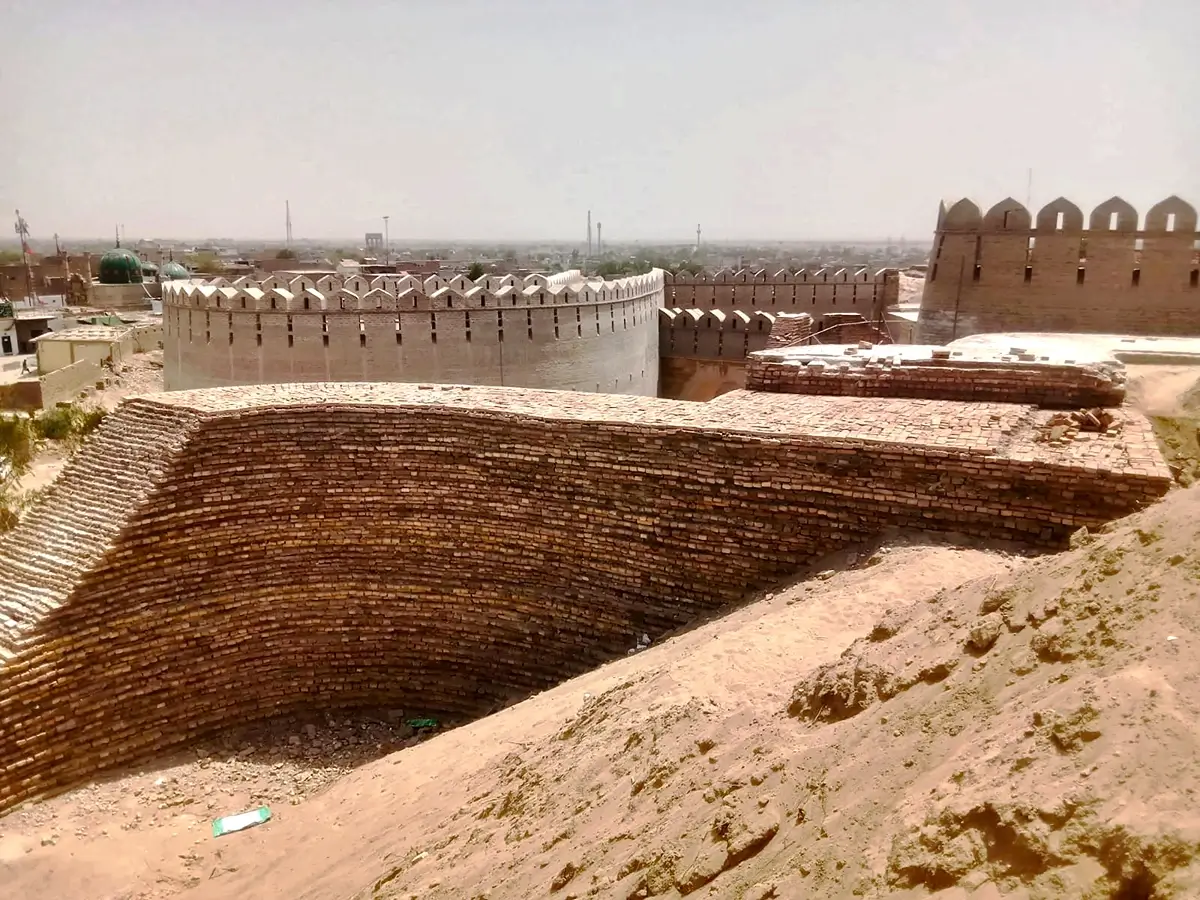
Sehwan Fort is considered to be the oldest fort in the sub-continent. Sehwan, it is believed, existed before the Vedic period (around 1500 B.C.E.). Some etymologists posit that since the city is established on the bank of River Indus, all its names relate to the river; Sharosat, Sadosat, Sawistan, Sidustan etc. Certain scholars have associated the name of Seiwistan with Seythians. In the second and third centuries B.C.E, the region of Sehwan was dominated by Seythians, and the place, these scholars argue, came to knowns as seiwistan.
The Sehwan Fort is strategically located on the bank of Indus River and surrounded by the Aral Wah canal. On the southern side of the fort are the Laki Hills. Sehwan Fort protects the Laki Pass, which was considered to be the key to the country, because invaders had to pass through it to attack the region. Manchar Lake, one of Asia’s biggest fresh water lake, is in close proximity to the fort.
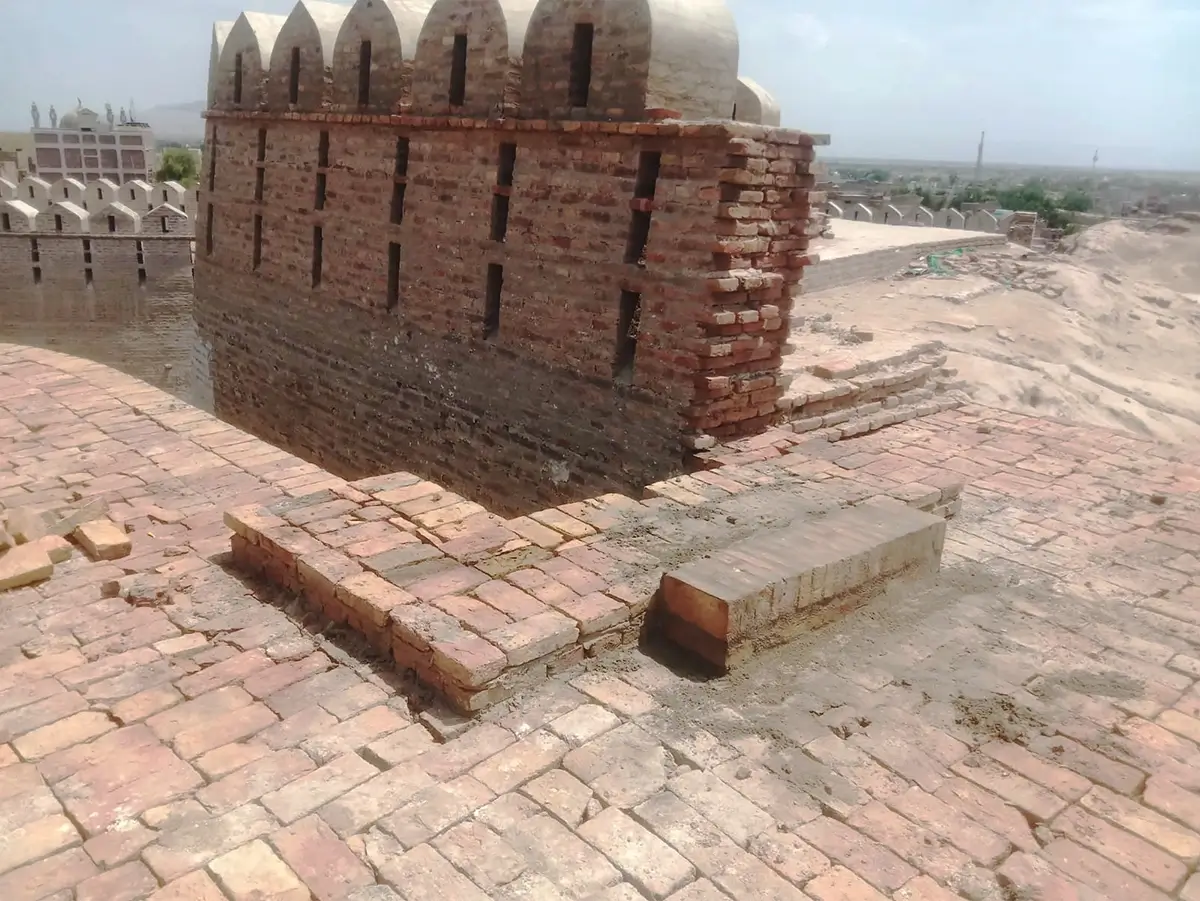
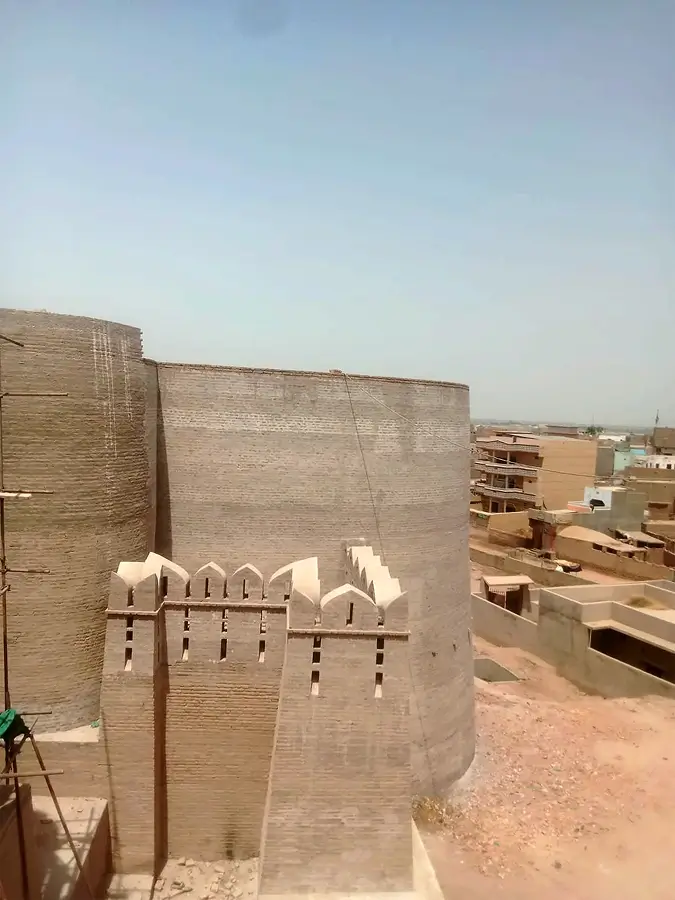
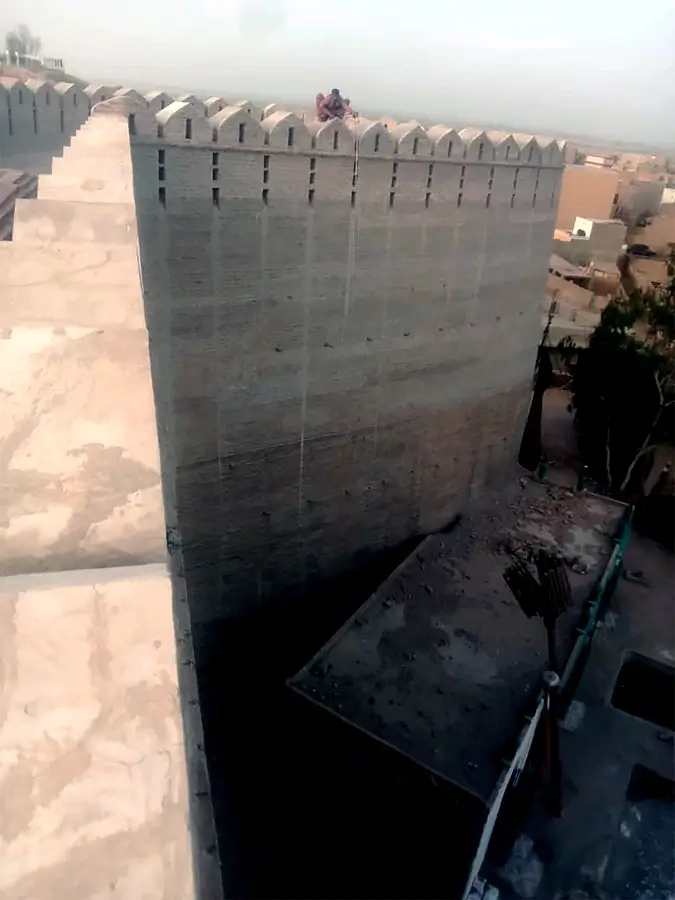
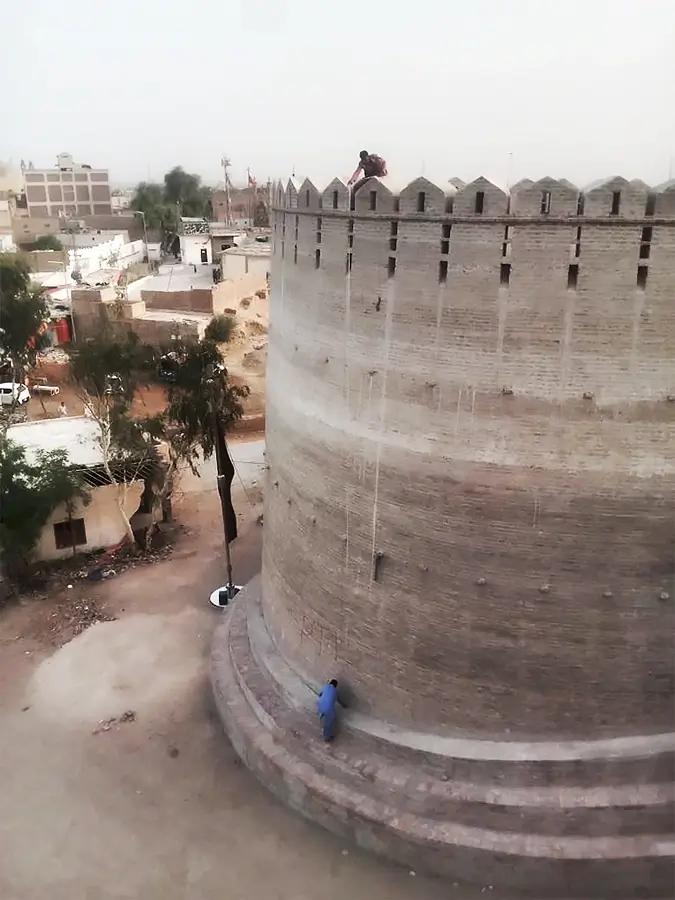
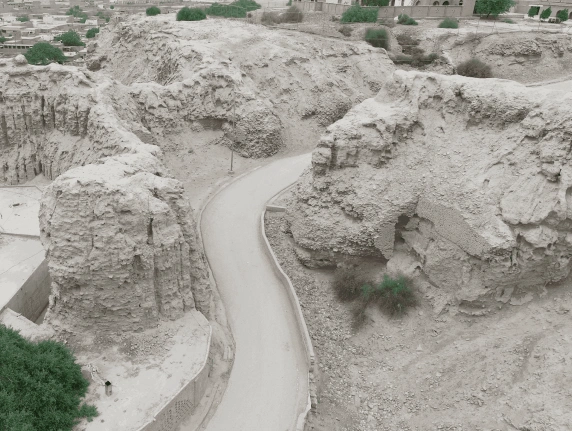
The ancient fort of Sehwan is built with burnt bricks, and is located north of the town, on a towering hill. Parts of the walls and towers are in a ruinous state. Four main ravines have cut the mound, of which two are presumably the old entrances of the citadel. The fifth ravine, on the south, is the main entrance to the fort. Read More
Heritage Preservation Projects
Activities Of EFT
Highlights of Events from EFT'S Archives
A brief overview of notable moments documented in EFT’s archives, highlighting significant events and milestones from past records.
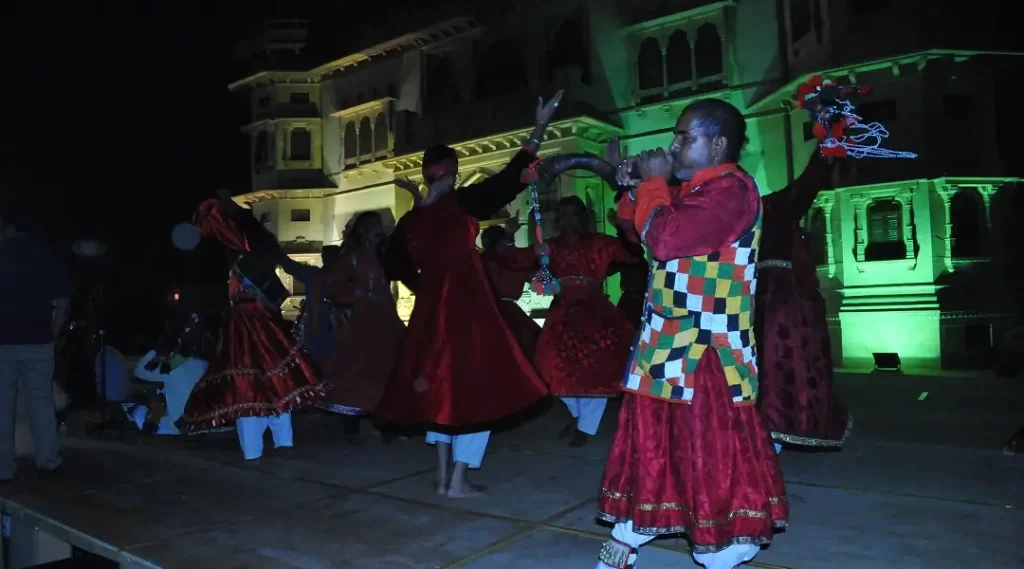
Cultural Show in Honour of Prince Karim Aga Khan
- Organized by the Government of Sindh
- Date: 13-11-1994
- Produced by: The Secretary, Endowment Fund Trust Sir Abdul Hamid Akhund Sahib
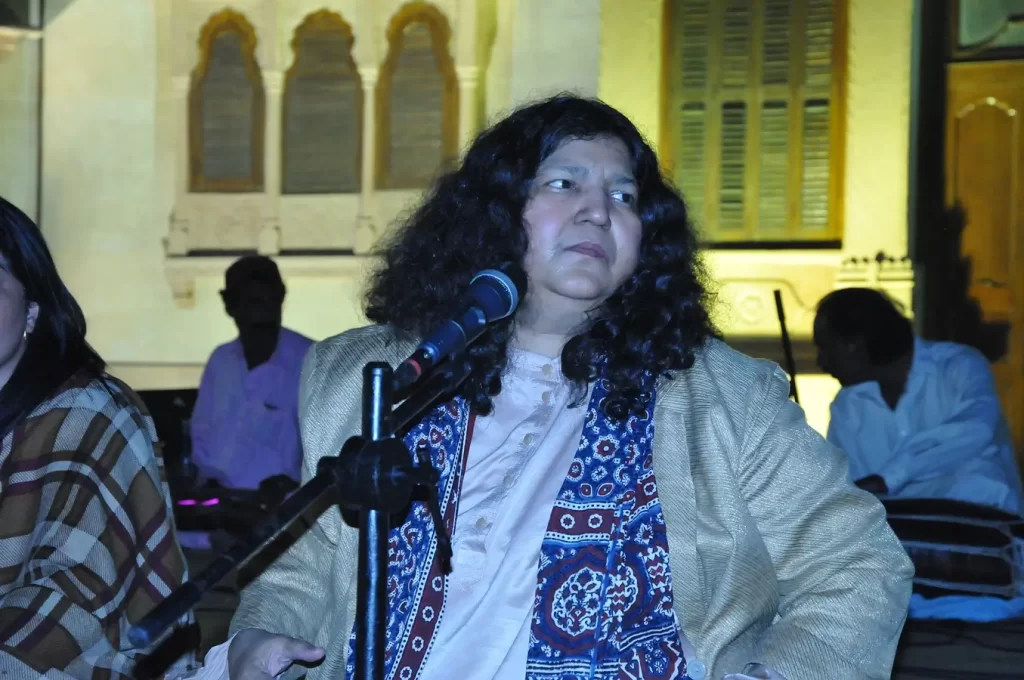
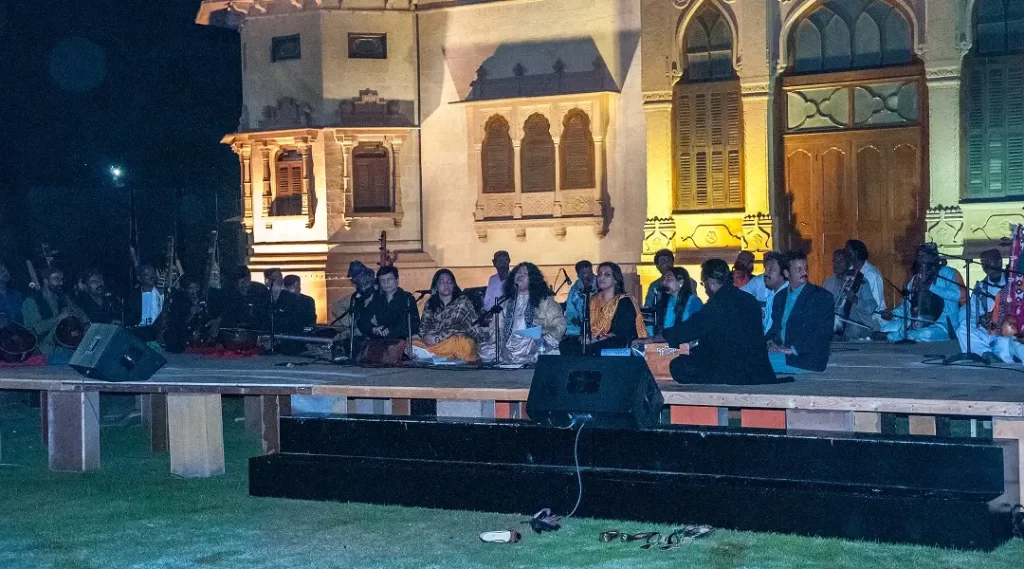
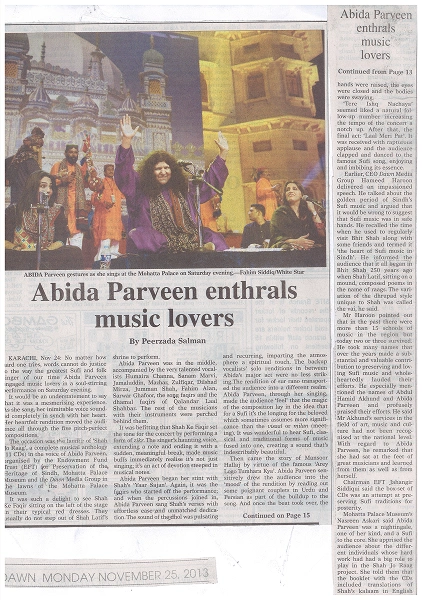
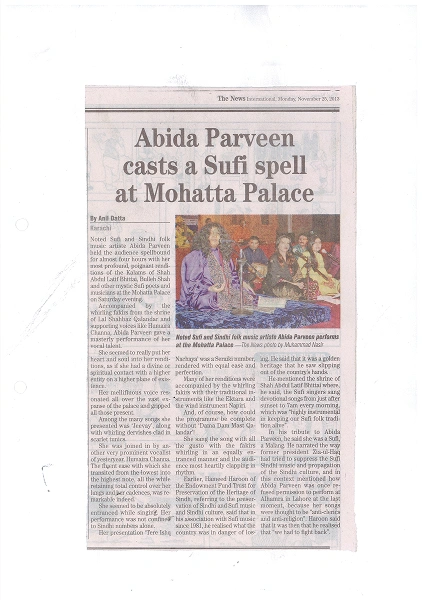
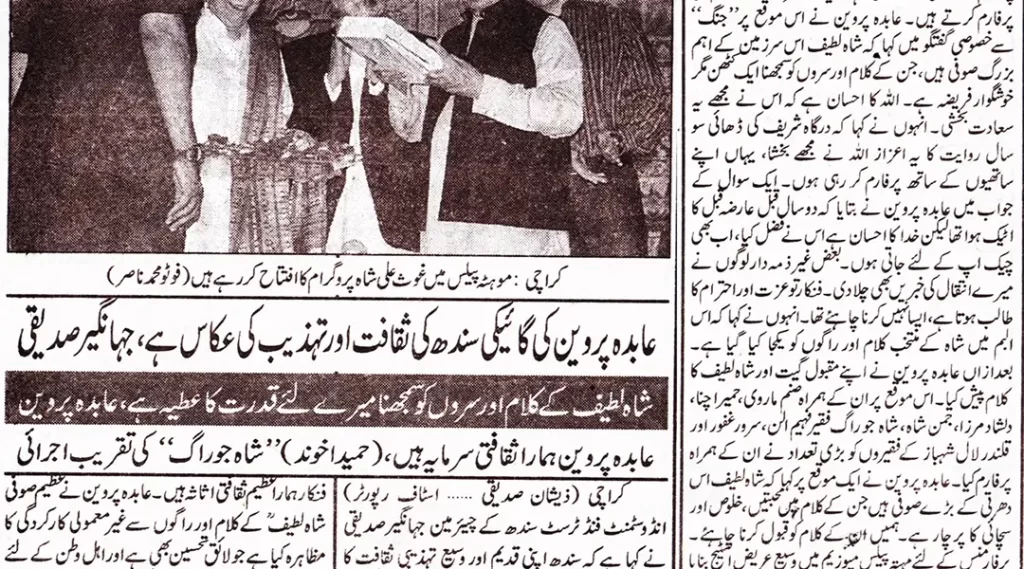
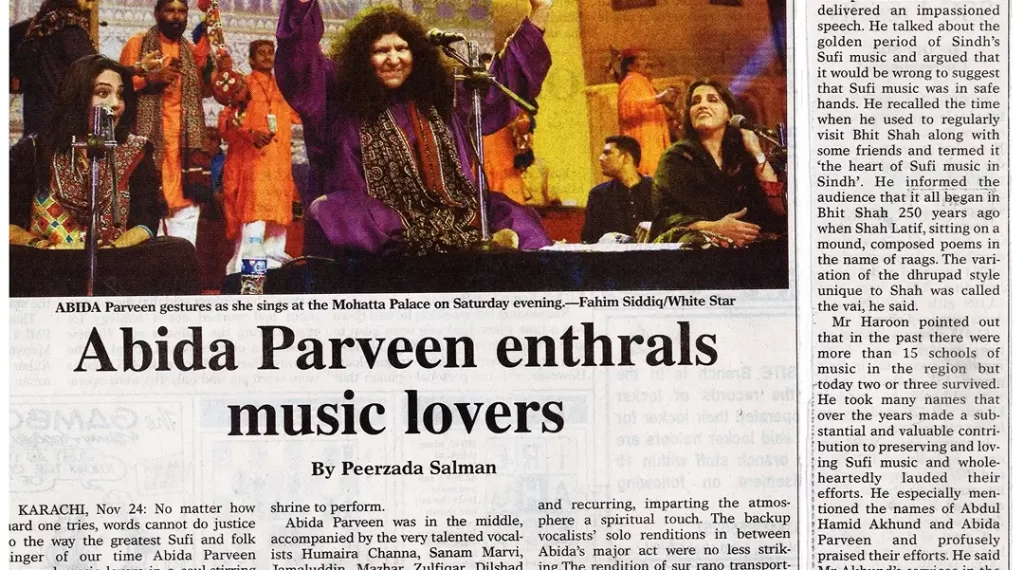
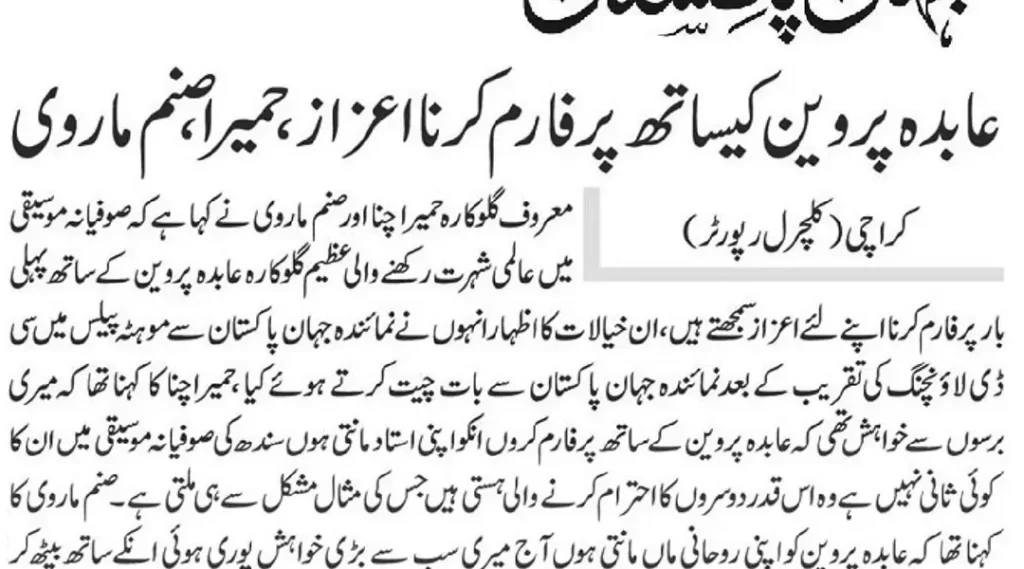
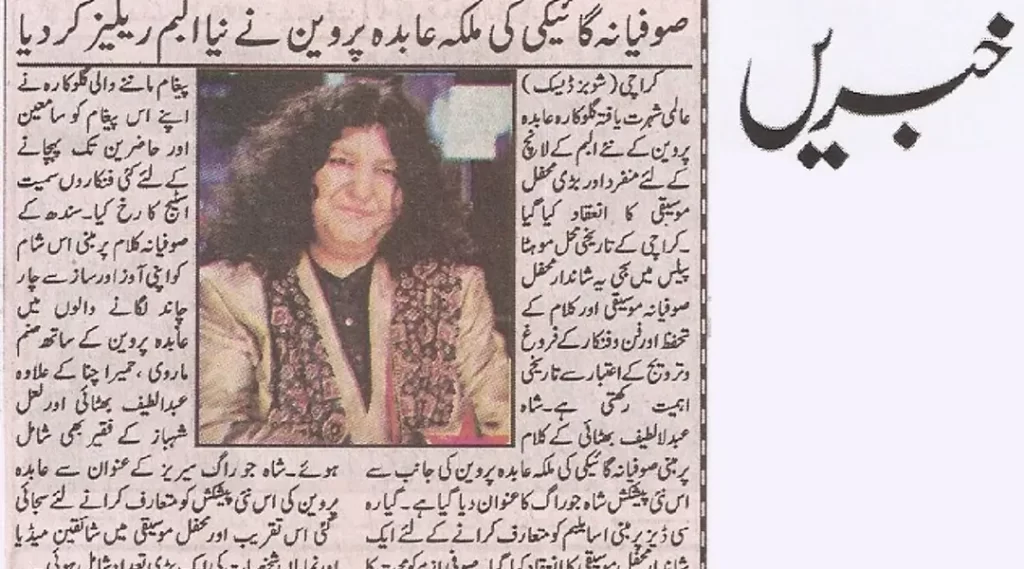
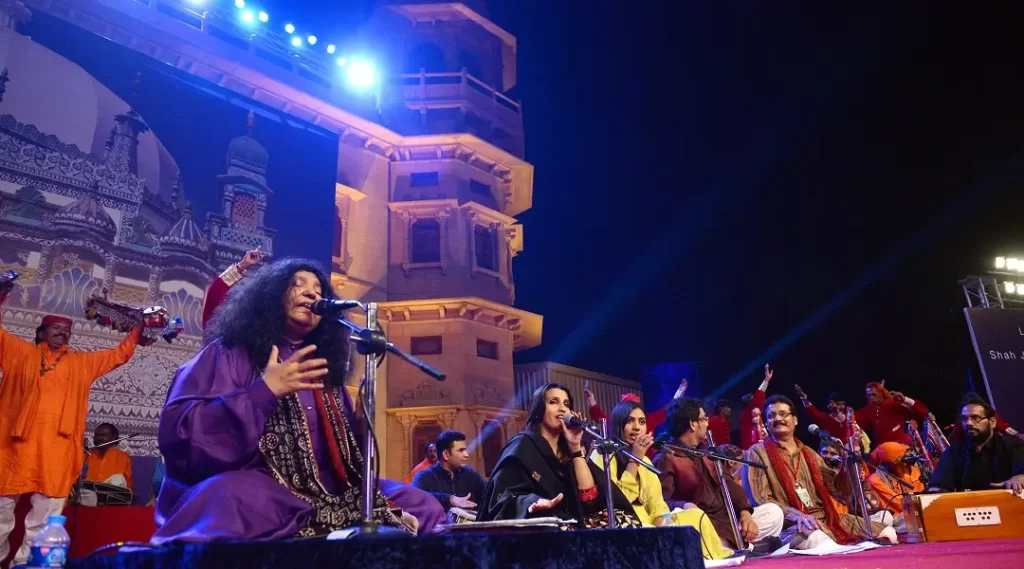
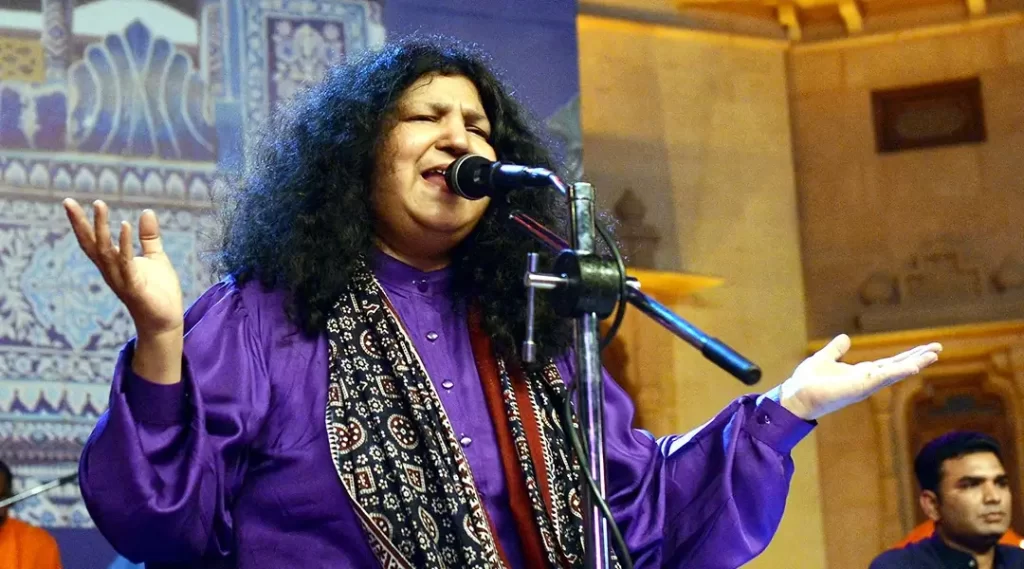
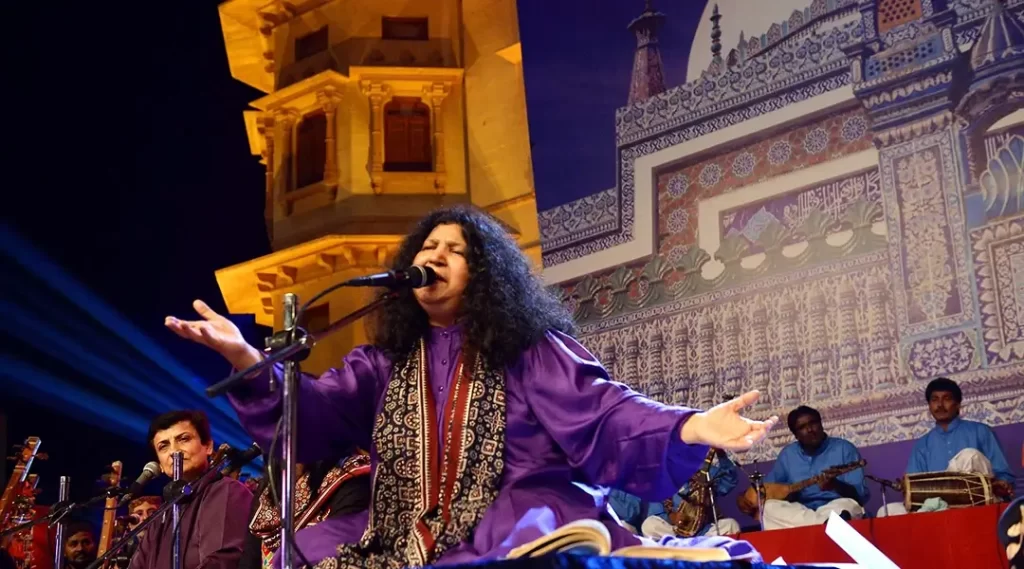
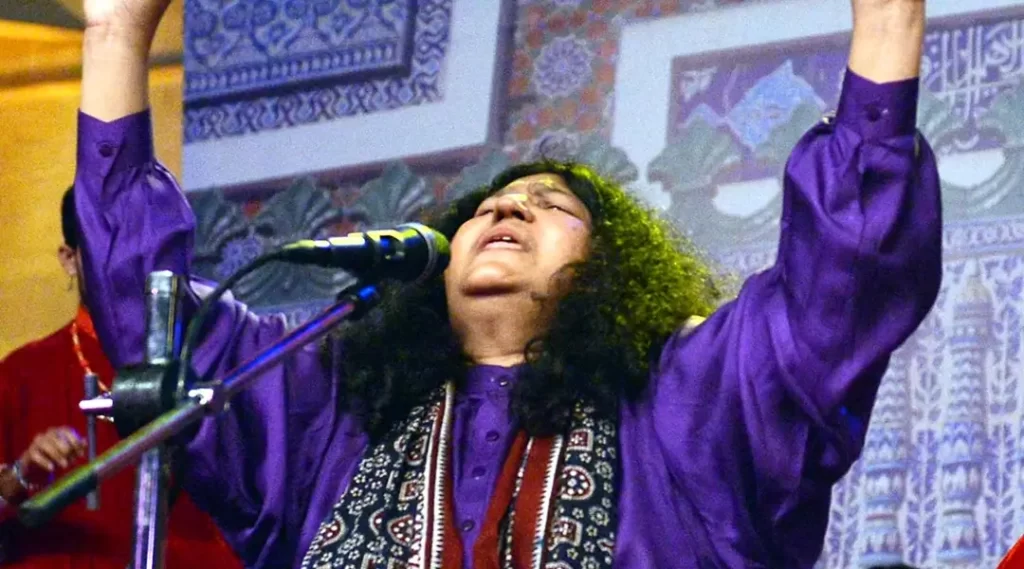
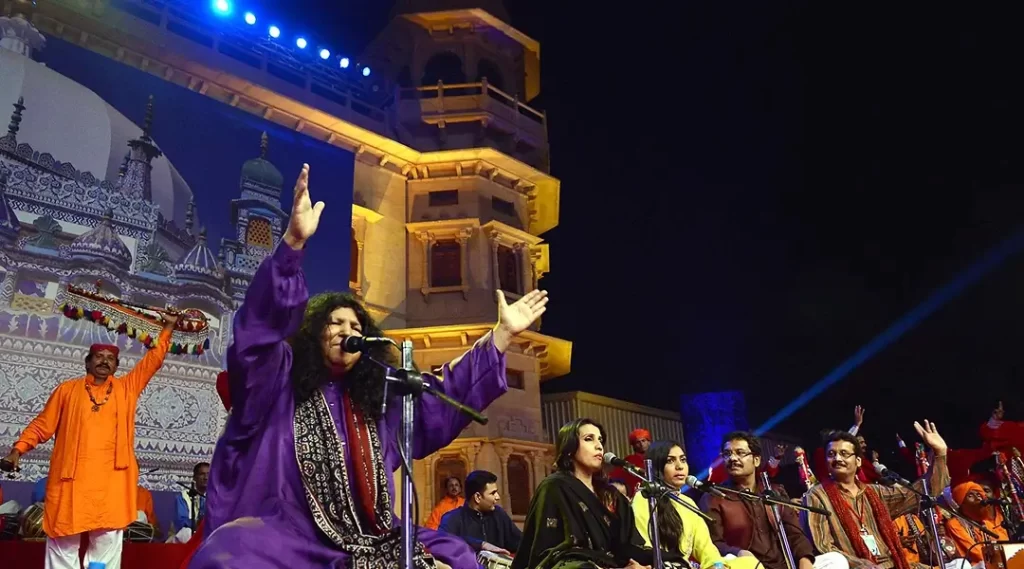
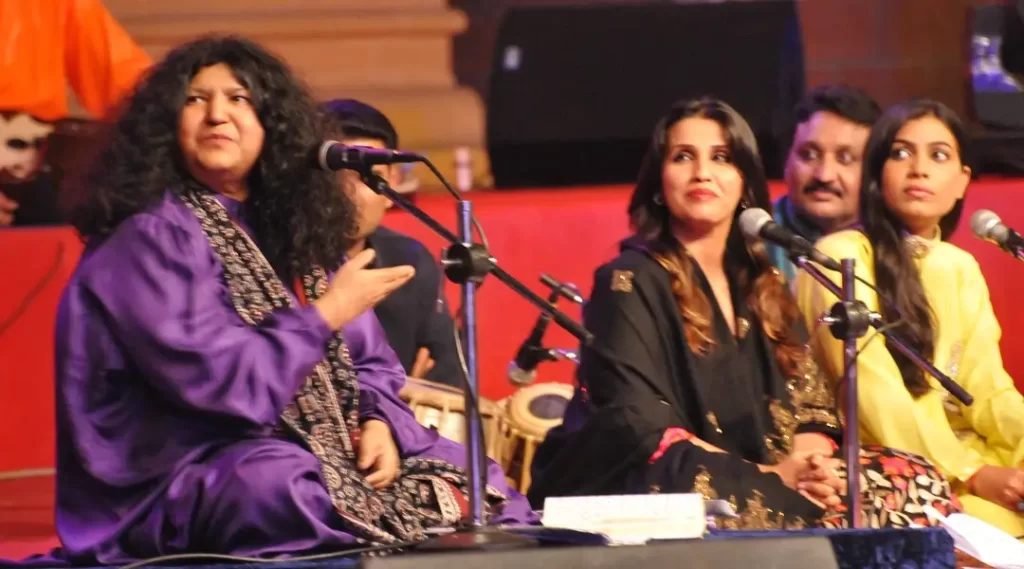
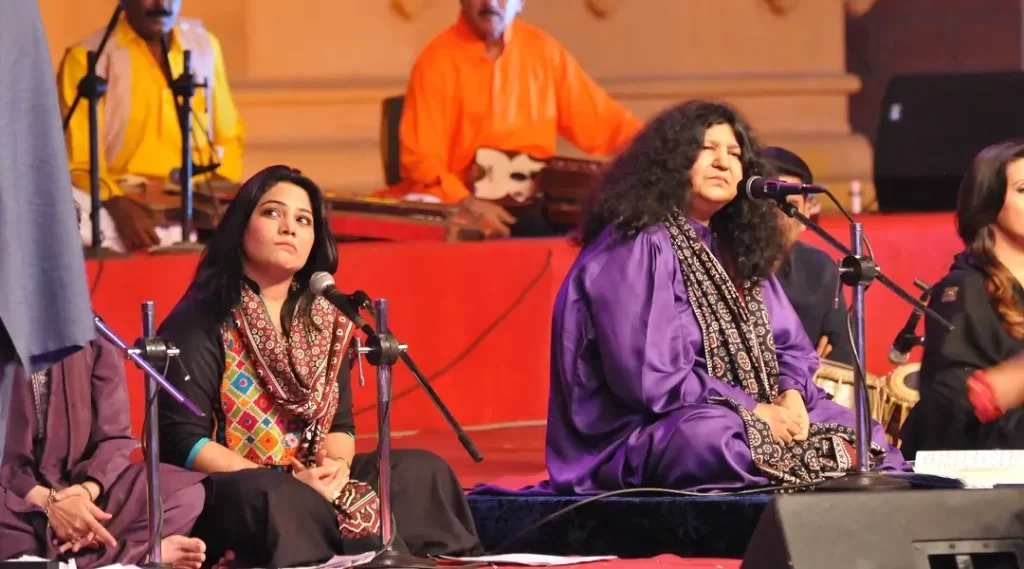
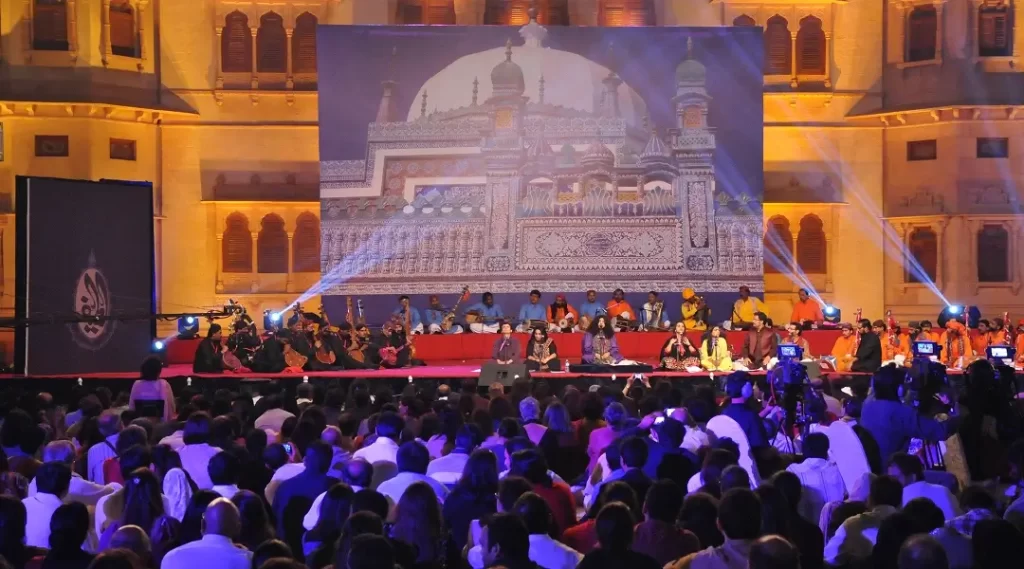
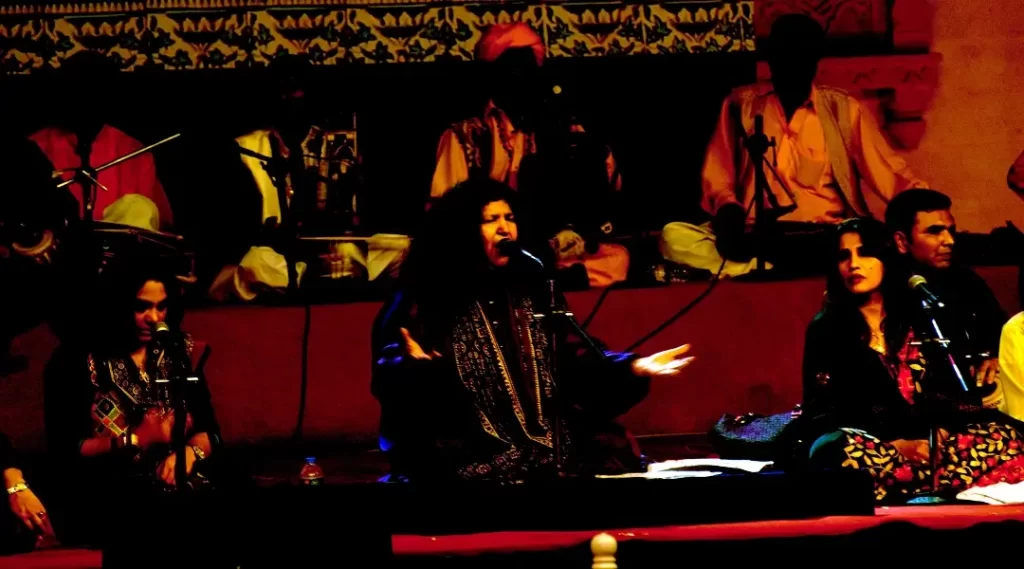
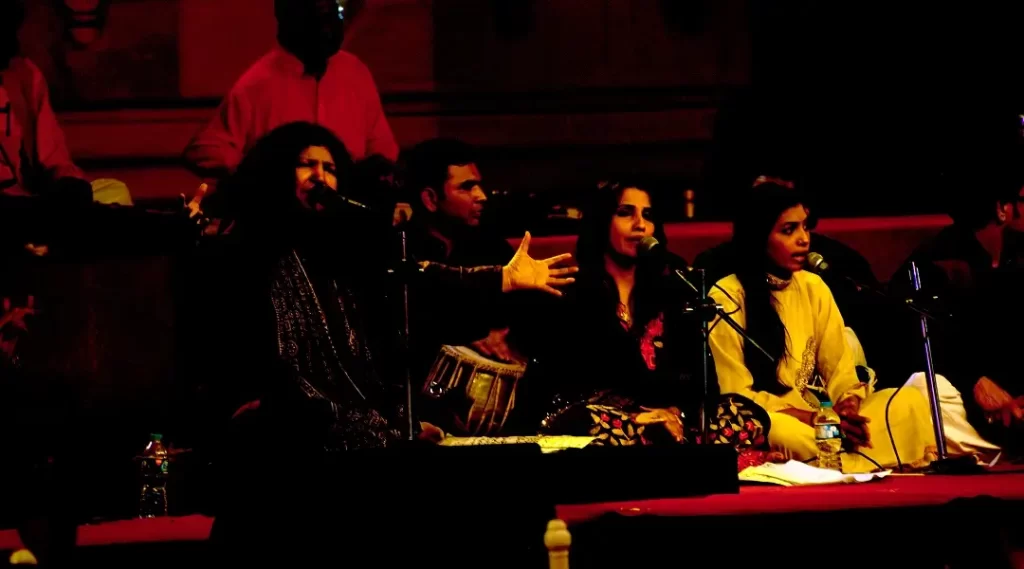
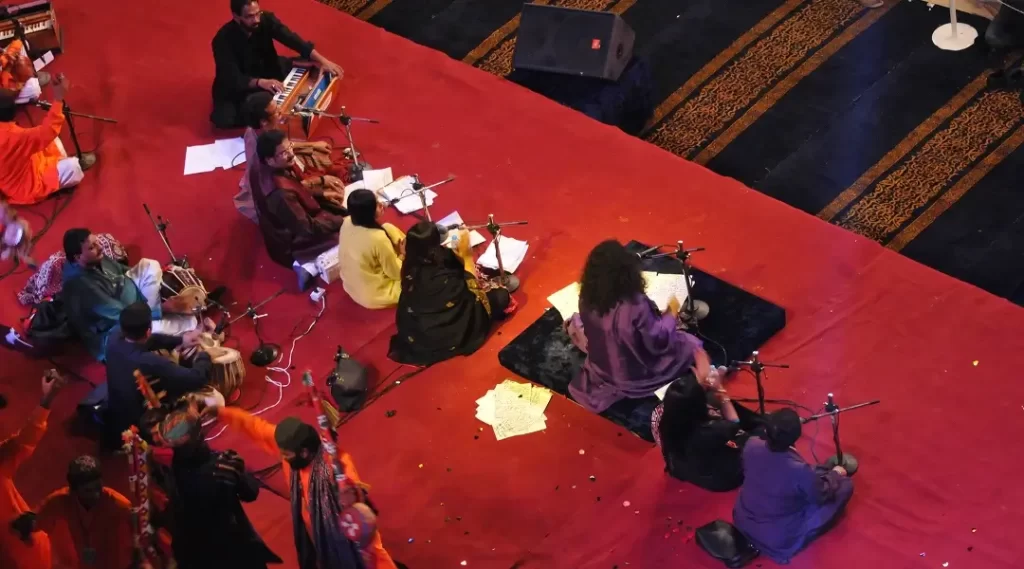
Exclusive Performance of Abida Parveen — Hyderabad
Yaar Ko Hamne Ja Ba Ja Dekha — Ek Shaam Abida Parveen Ke Saath
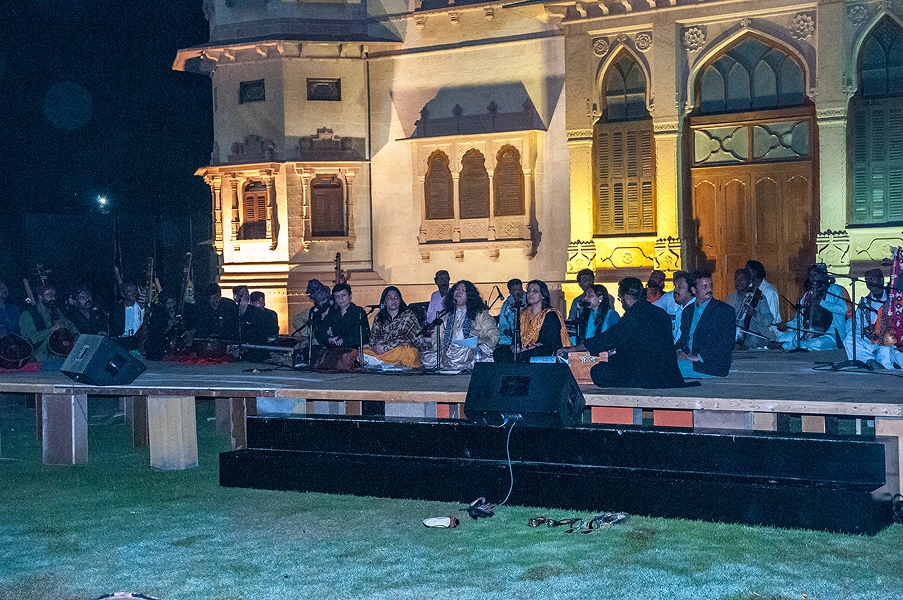
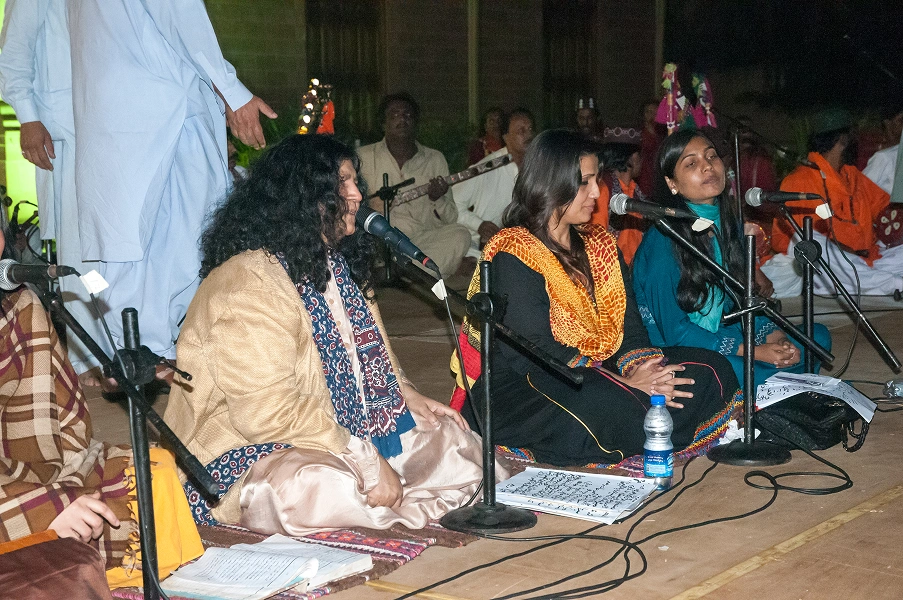
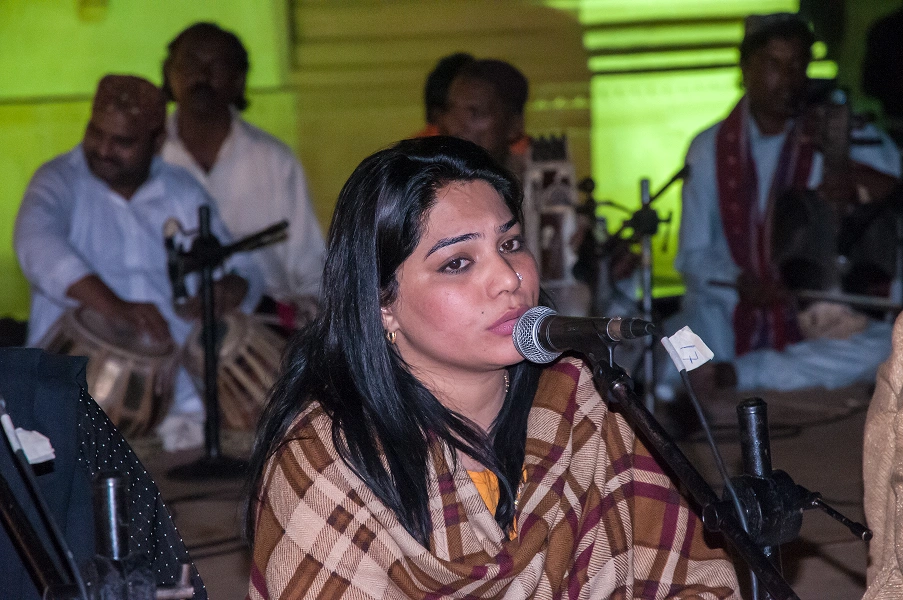
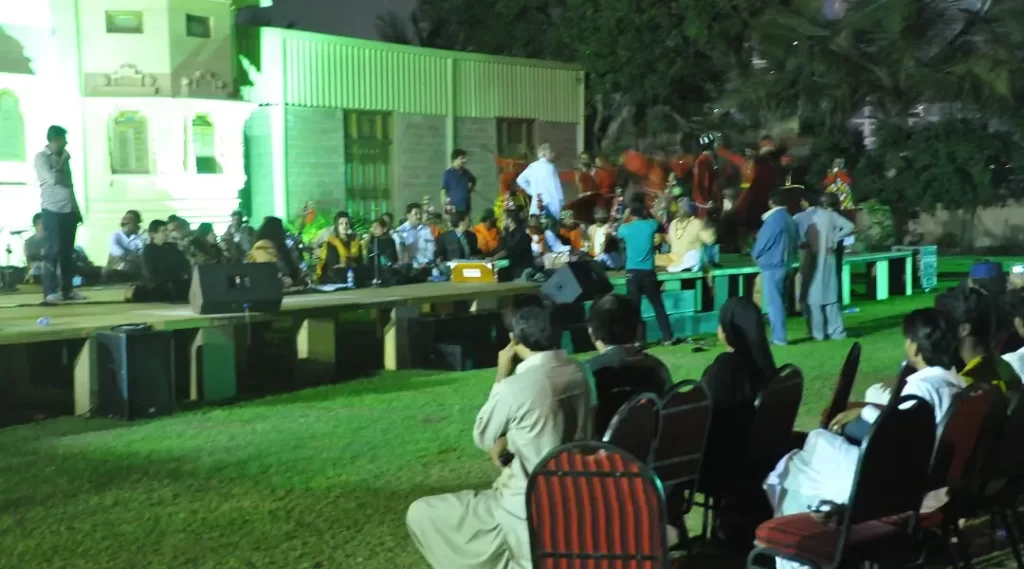
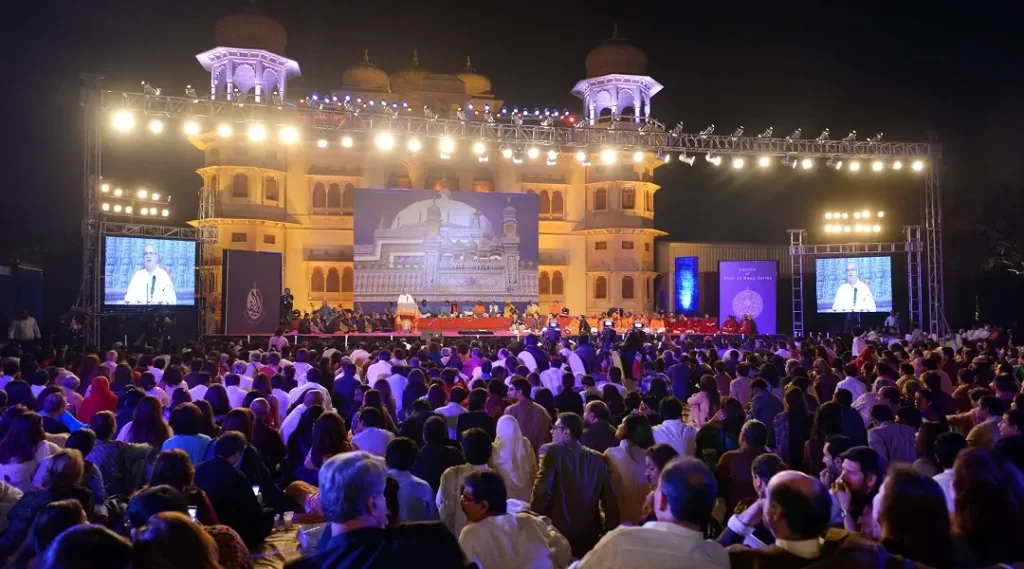
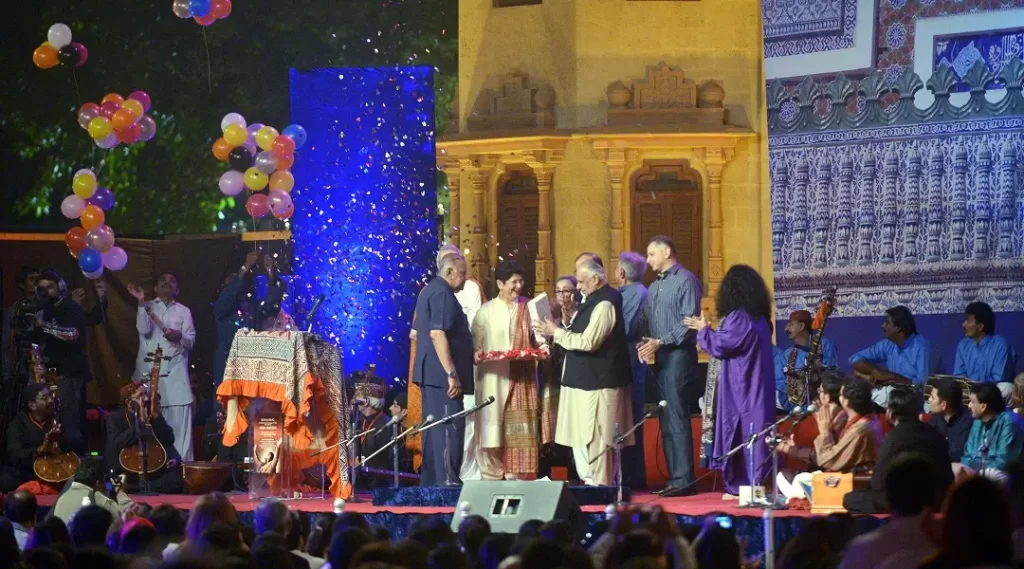
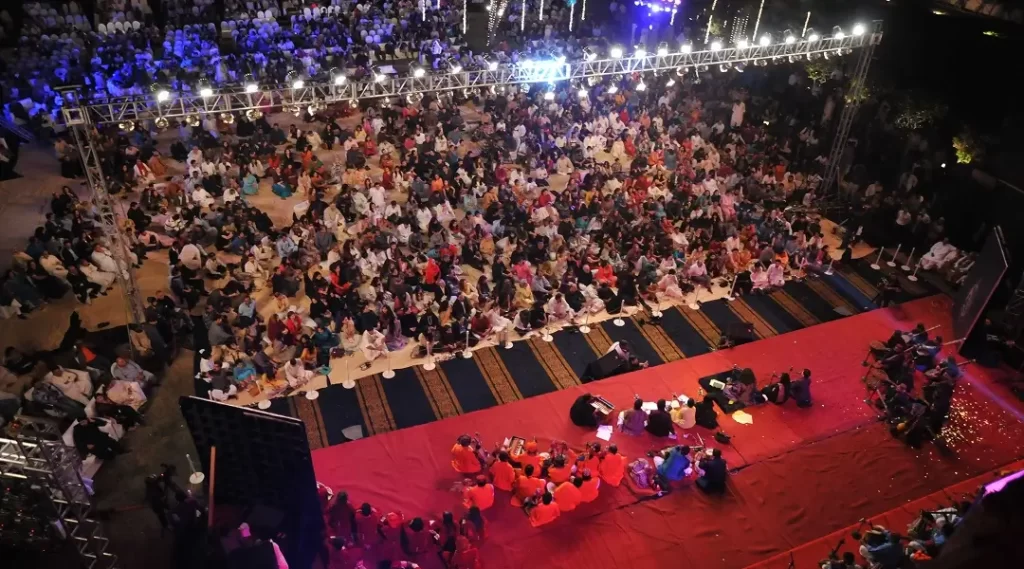
An unforgettable evening of Sufi music featuring Abida Parveen, held at Public School, Hyderabad on February 23, 2025. Sponsored by the Endowment Fund Trust for Preservation of the Heritage of Sindh and organized by Besant Hall Cultural Centre, the event celebrated the spiritual and poetic legacy of Sufi traditions.
Jashan-e-Latif – Cultural Evening in Tribute to Shah Abdul Latif Bhittai
Organized at: Besant Hall Cultural Centre, Hyderabad
- Chief Guest: Noorul Huda Shah
- Speakers:
- Dr. Fehmida Hussain
- Shafique-ur-Rehman Paracha
- Dr. Sher Mehranvi
- Special Address by:Jahangir Siddiqui Chairman
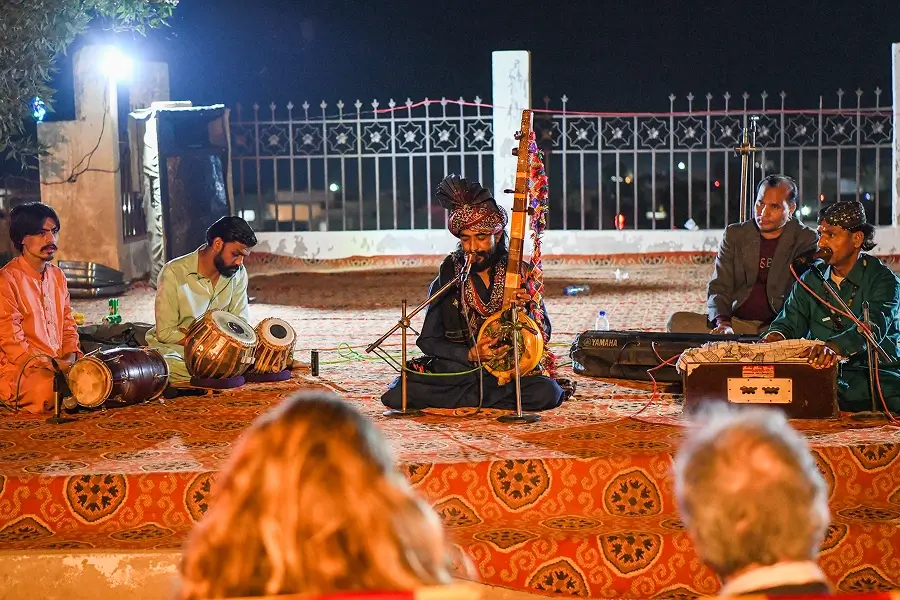
- Music Performance by:Manjhi Faqir
Learn More About EFT
Explore a wide range of resources developed by EFT, including publications, visual archives, audio-visual materials, and insights into the significance of Sindh’s heritage.
Research & Publication
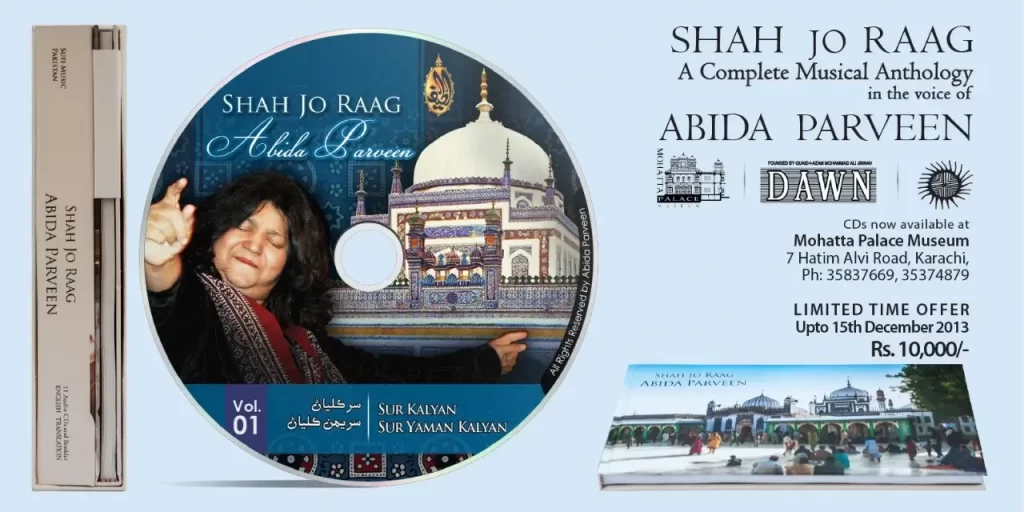
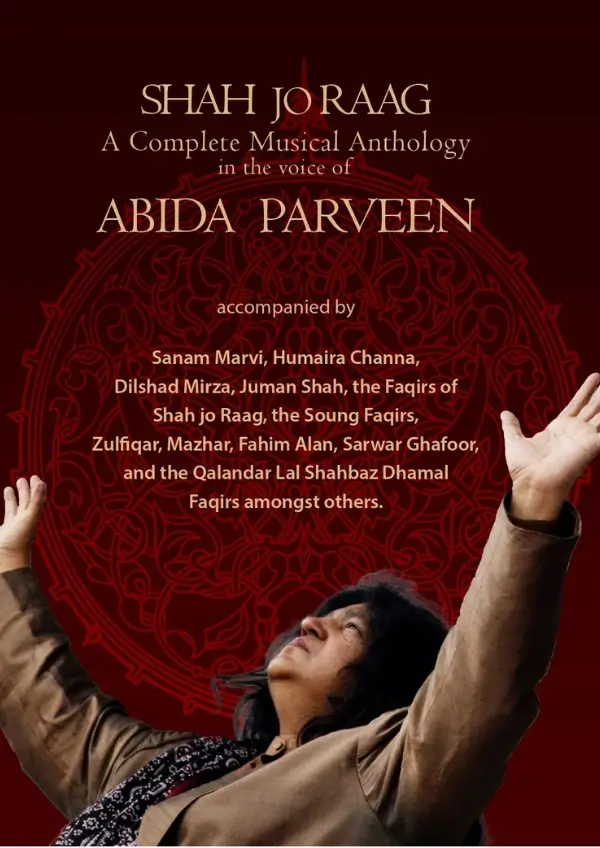
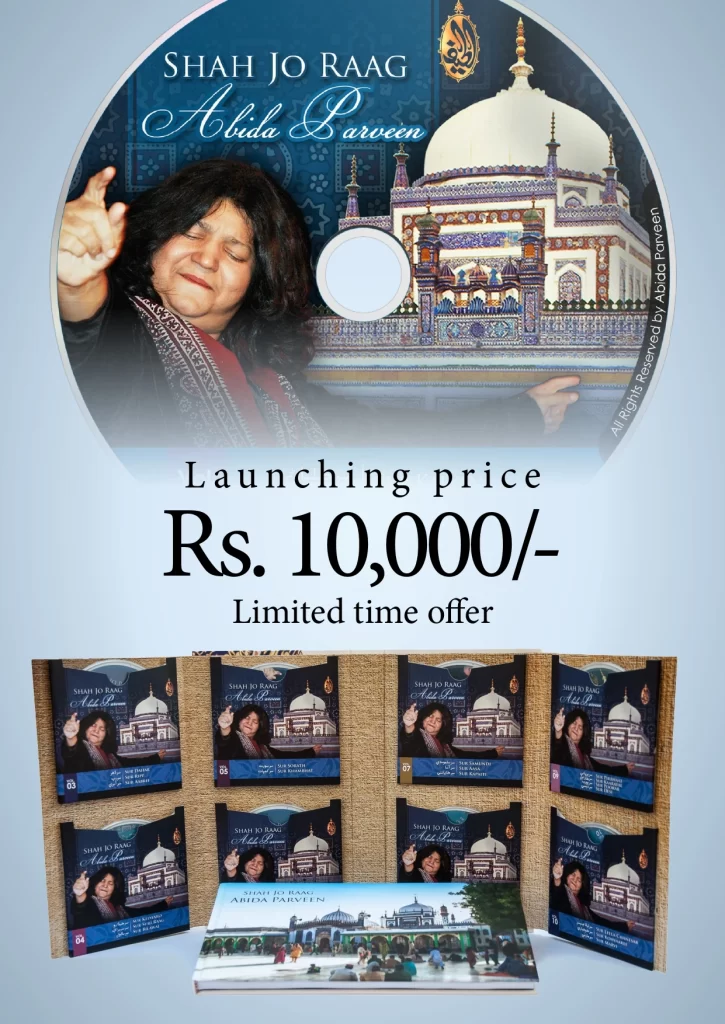
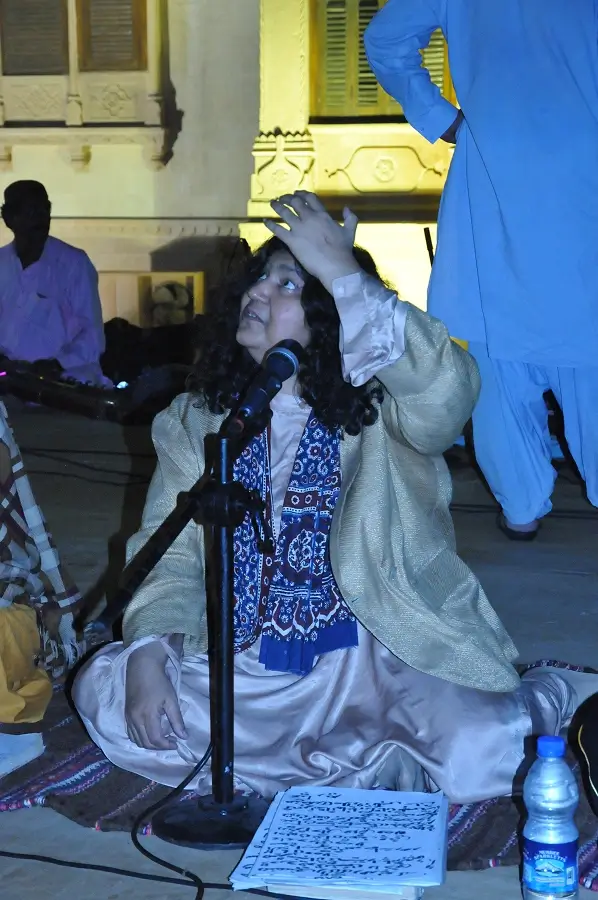
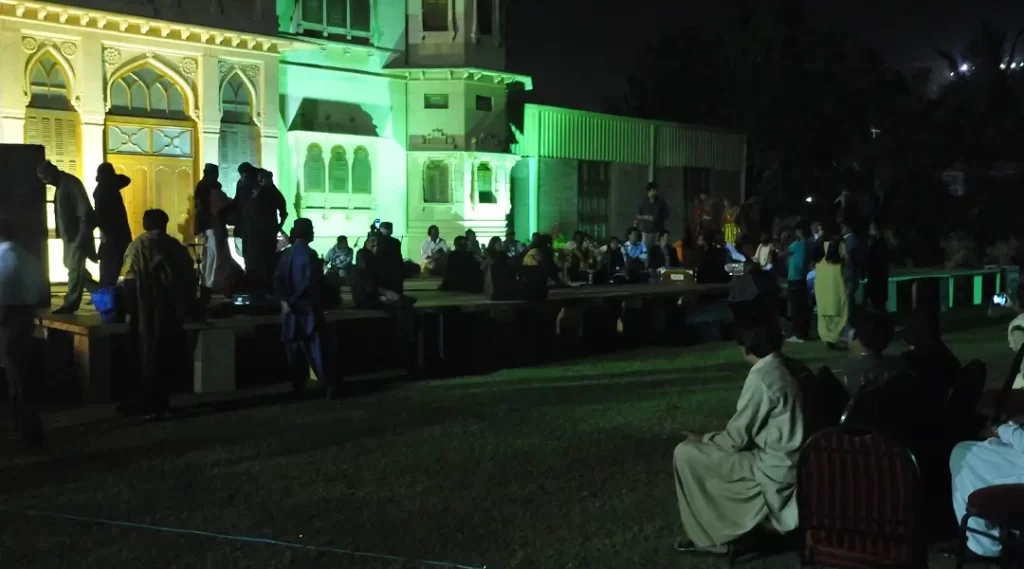
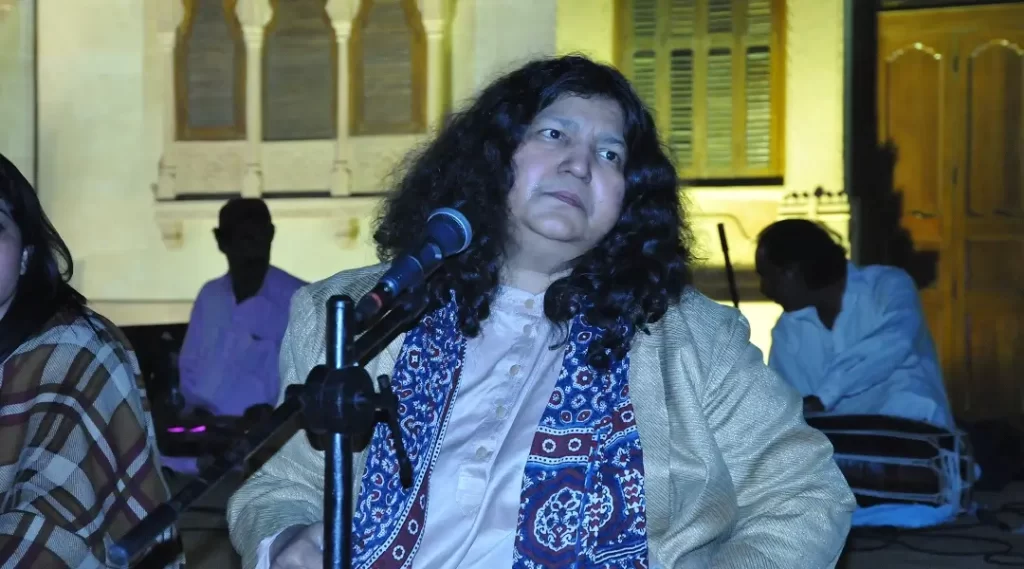
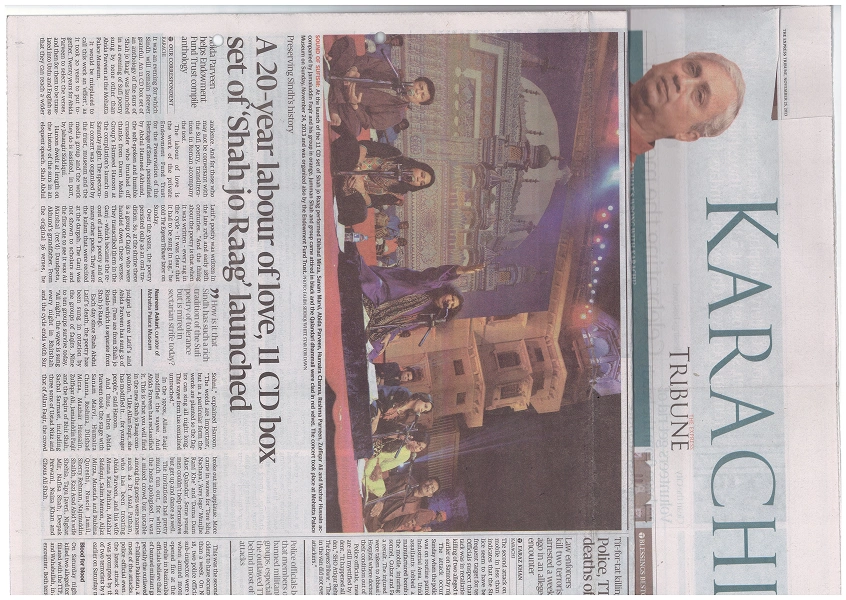
Documentation of heritage sites has always been an important part of EFT. In this regard, EFT has undertaken the publication of several texts regarding tangible and intangible heritage. These include Art and Architecture of Sindh and Memorial Stones of Tharparkar by Zulfiqar Ali Kalhoro, The Arabs in Sindh by John Jehangir Bedi, Talpurs in Sindh by Dr. Mumtaz Hussain Pathan, History of the Arghuns and Tarkhans in Sindh translated by Dr Mahmudul Hasan Siddiqui, History of Education in Larkaha by Dr. Ghulam Ali Sangi, Forts of Sindh by Dr. Ishtiaque Ansari and the Translation of Shah Abdul Latif Bhittai’s Risalo compiled as Shah Jo Raag into 10 CD volumes tanslated and narrated in English and Urdu
About Audio Visual Library
The EFT has, undertaken systematic efforts towards building a collection of Sindhi music, dramas, mushairas, VVIP’s speeches, discussions, talks, seminars, events including audio and video collections held in the archives of various institutions and by individuals besides digitization, storage and preservation of collected audio/video recordings of music and other materials for posterity
News & Highlights
Heritage typically refers to something inherited from the past, such as traditions, values, cultural practices, or physical objects that are passed down through generations. It encompasses both tangible and intangible aspects of a culture or community, including language, beliefs, customs, and historical sites. Heritage often plays a significant role in shaping identities and providing a sense of continuity and belonging within a group or society. It can be preserved, celebrated, and transmitted to future generations as a way of maintaining cultural diversity and understanding our collective history.
EFT Documentary
Explore EFT’s documentaries that capture the stories, restoration journeys, and cultural significance of Sindh’s treasured heritage sites.
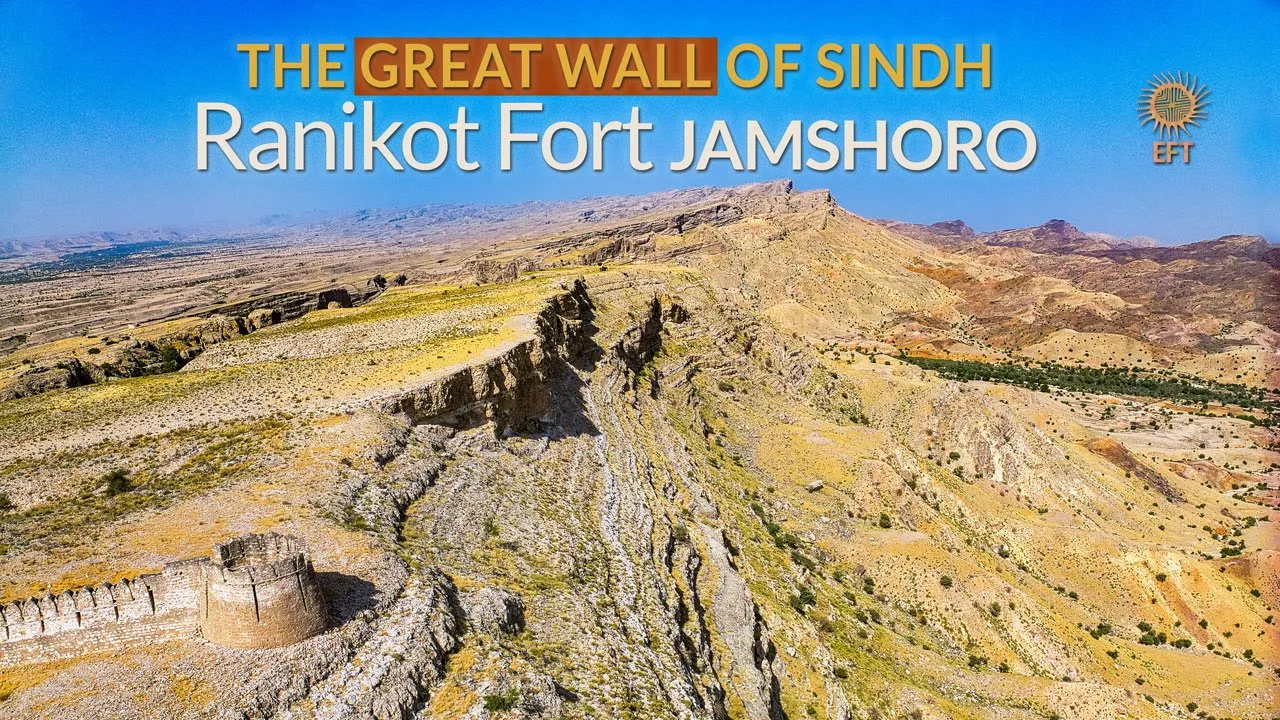
Ranikot Fort: The Fight to Preserve Pakistan's Ancient Giant
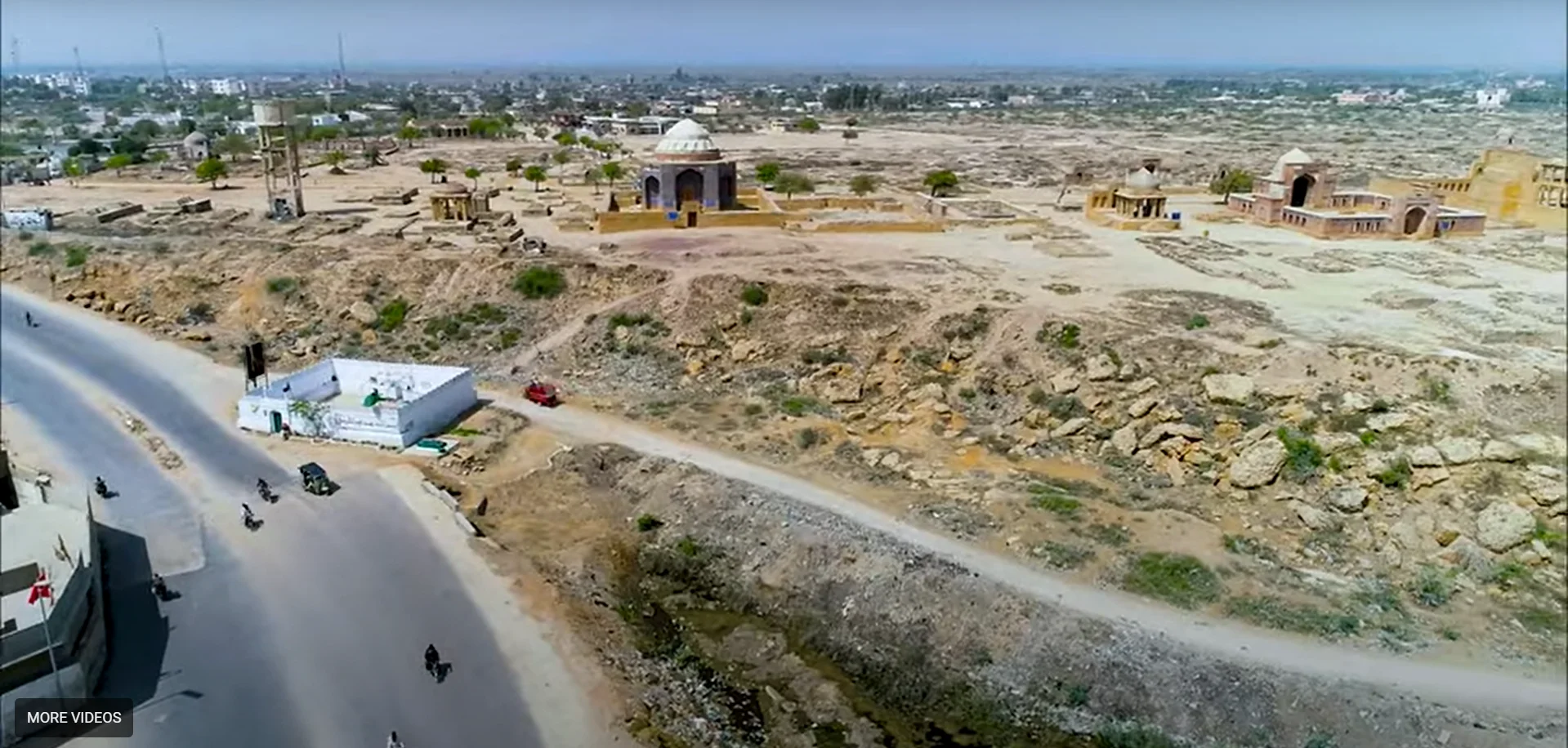
Satcharni: Makli's Lost Crown
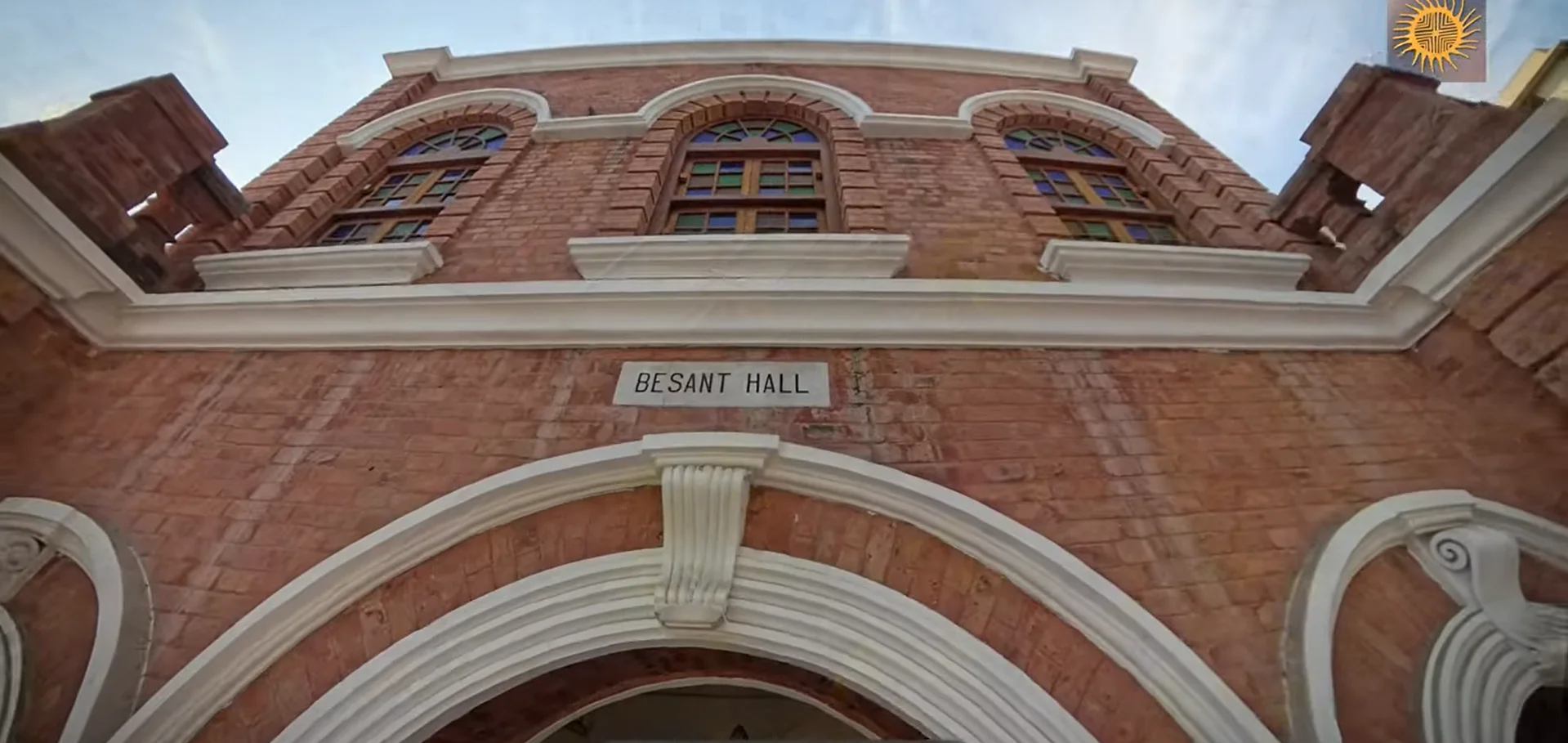
Besant Hall Hyderabad
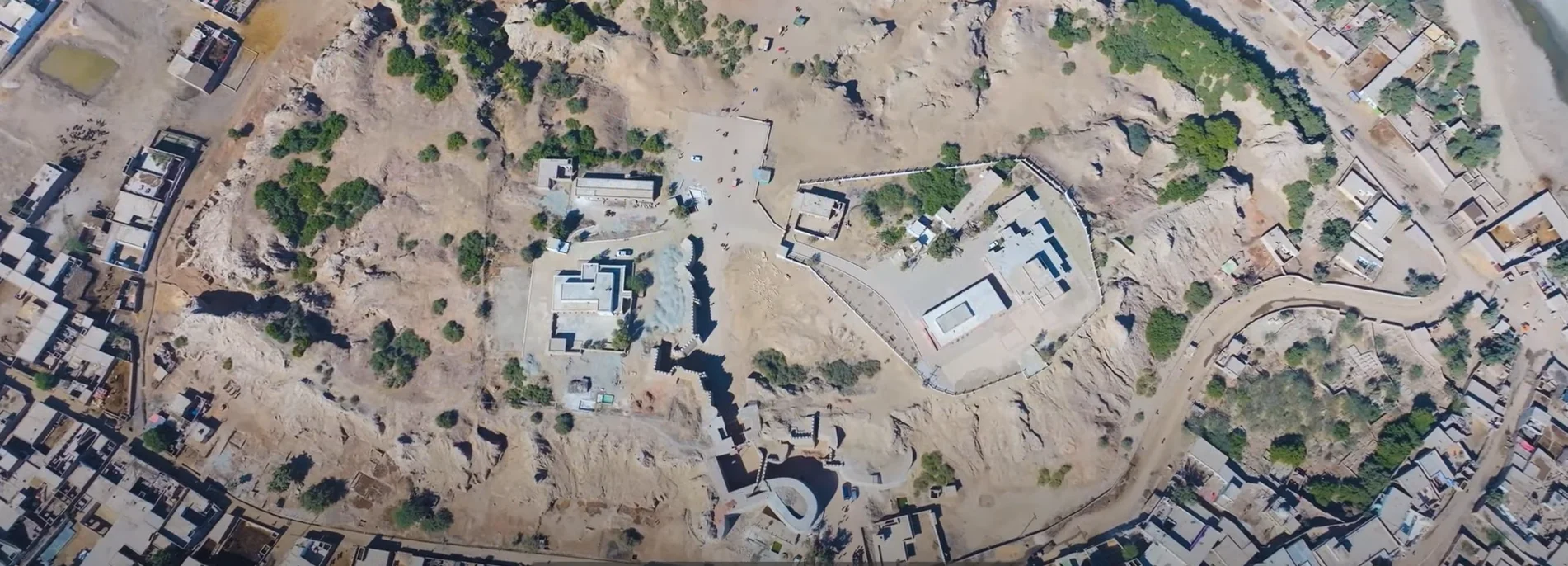
Sehwan Fort: A Journey Through Time
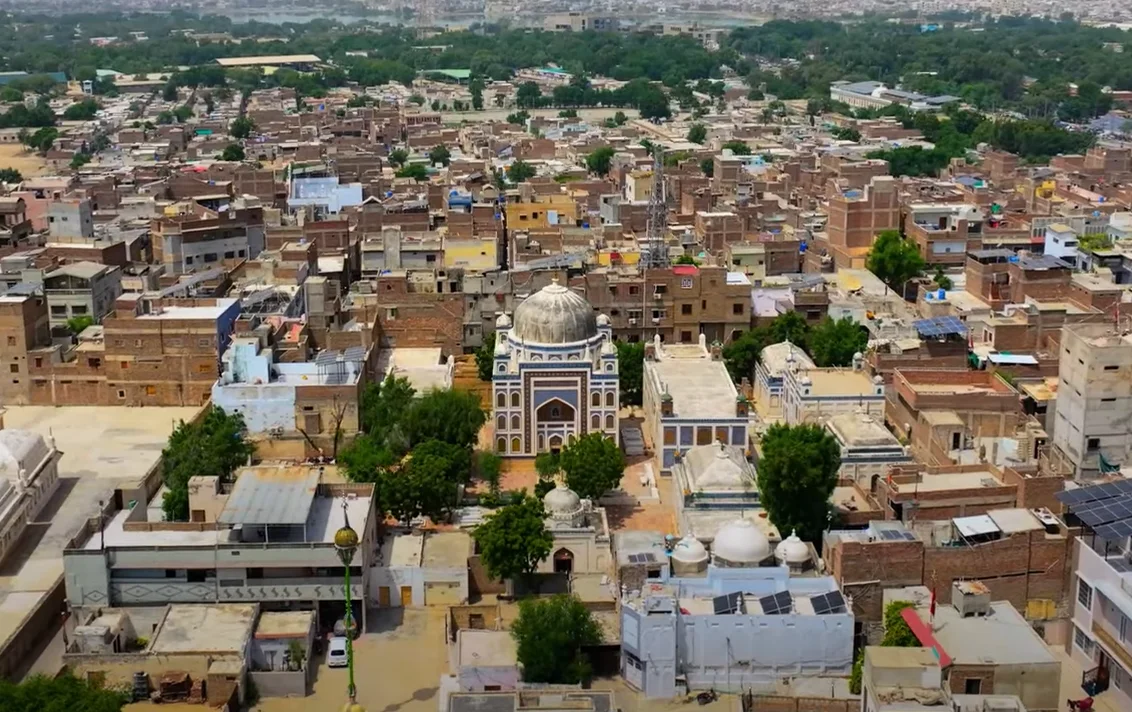
The Tomb of Mir Karam Ali