



Historical Background:
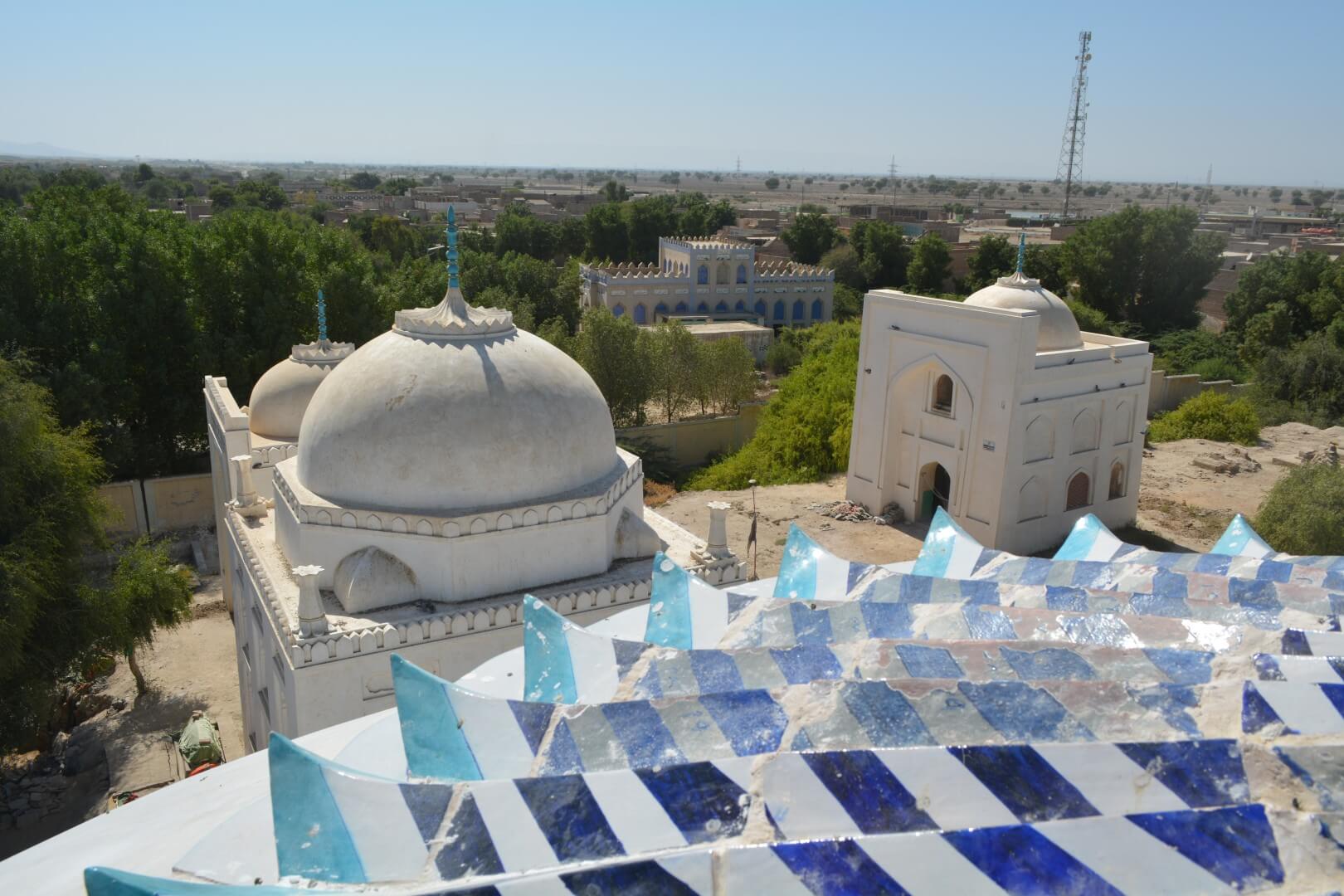
This graveyard is commonly known as Mir Kalan Graveyard. The graveyard comprises of graves and tombs. The architecture of tombs define it as of early Talpur period. The area of graveyard is about 182162 sq (4.18 Acres). It belongs to Subzwari Syed. In this group of tombs six to seven tombs have survived different stages of decay. Syed Mir Kalan met Laal Qalander Shahbaz in Karbala, and on the call of Qalander Shahbaz, he came to Sehwen. Kalan was the descendant of Hazrat Musa Kazim and the son of Baba Ibrahim and his son was named Syed Mohammad. Syed Mohammad’s children were Syed Mir Masoom Bakhari, Syed Mir Khusroo, Syed Bhoora Sher Badal, Syed Nehal Shah Noori, Syed Began Shah, Syed Anwar Ali Shah, Syed Jafar Ali Shah, Syed Fateh Ali Shah, Syed Gunban Shah and Syed Varyal Shah, Khabroo Syed. Subzwari Syeds are their descendants. In this graveyard is the tomb of Bhoora Sher Badal, the caretaker (Sajjada Nasheen) of the Qalander Shahbaz Dargah. The grave of Mir Kalan is on a mound. It is a simple, grave located on the north-west of the Subzwari tombs in the same graveyard. Other famous persons of Subzwari Syeds are buried in this historical burial ground.
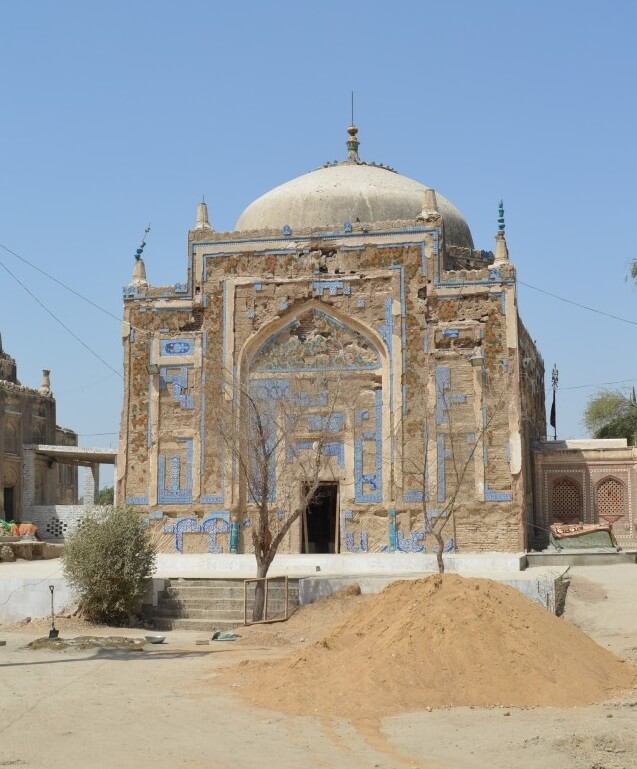
The cemetery has eight tombs of which five tombs have been restored (i) regarding the 6th Tomb
(Sayed Imdad Shah Tomb) the Secretary, EFT did not allow to work on the collapsed dome due to lack of expert who would be able to restore it. (ii) The 7th Tomb (Jejee Tomb) is in good condition and requires no restoration. (iii) The 8th Tomb (Pir Kalan Tomb) has been constructed with modern material.
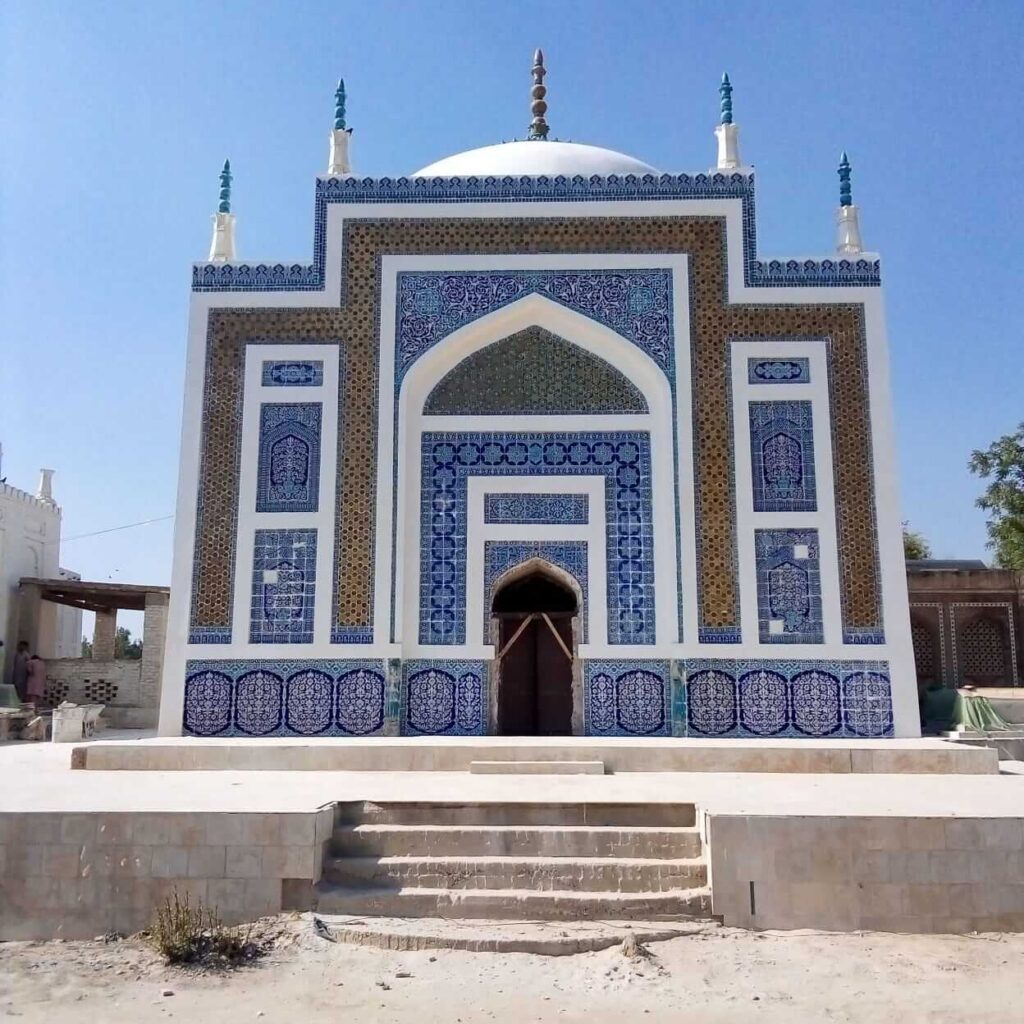
Earth filling, lime mortar plaster work and brick masonry pointing was completed on the compound wall, walkway and bastions and main gate. On the mausoleum itself, one of the principal tasks was the restoration of the kashi tile work panels on the interior and exterior of the tomb. Once the old plaster was removed and the necessary structural repairs were made, newly fabricated kashi panels were fixed in place. Other work on the interior included restoration of the muqarnas and white marble features.
External architectural features included the restoration of the structure and kashi detailing on the kiosks, parapet wall, drum and roof of the mausoleum. The tajjar, or vaulted tomb structure dedicated to female graves, was also restored with chiroli, lime mortar and soapstone, as well as the kashi jali work in its arches. The gatehouse, with its bricked windows, has also been restored and plastered. The yellow stone flooring outside the mausoleum has also been re-fixed.
Presently, the only work that remains is the fresco work on the interior of the tomb. While frescos on the inner ceiling and girders have been conserved, those found on the circular shaped wall and the arches are still in progress. Fresco artists from Multan have been called in to lend their expertise to this task. Work is expected to be completed in 2020.