

Historical Background
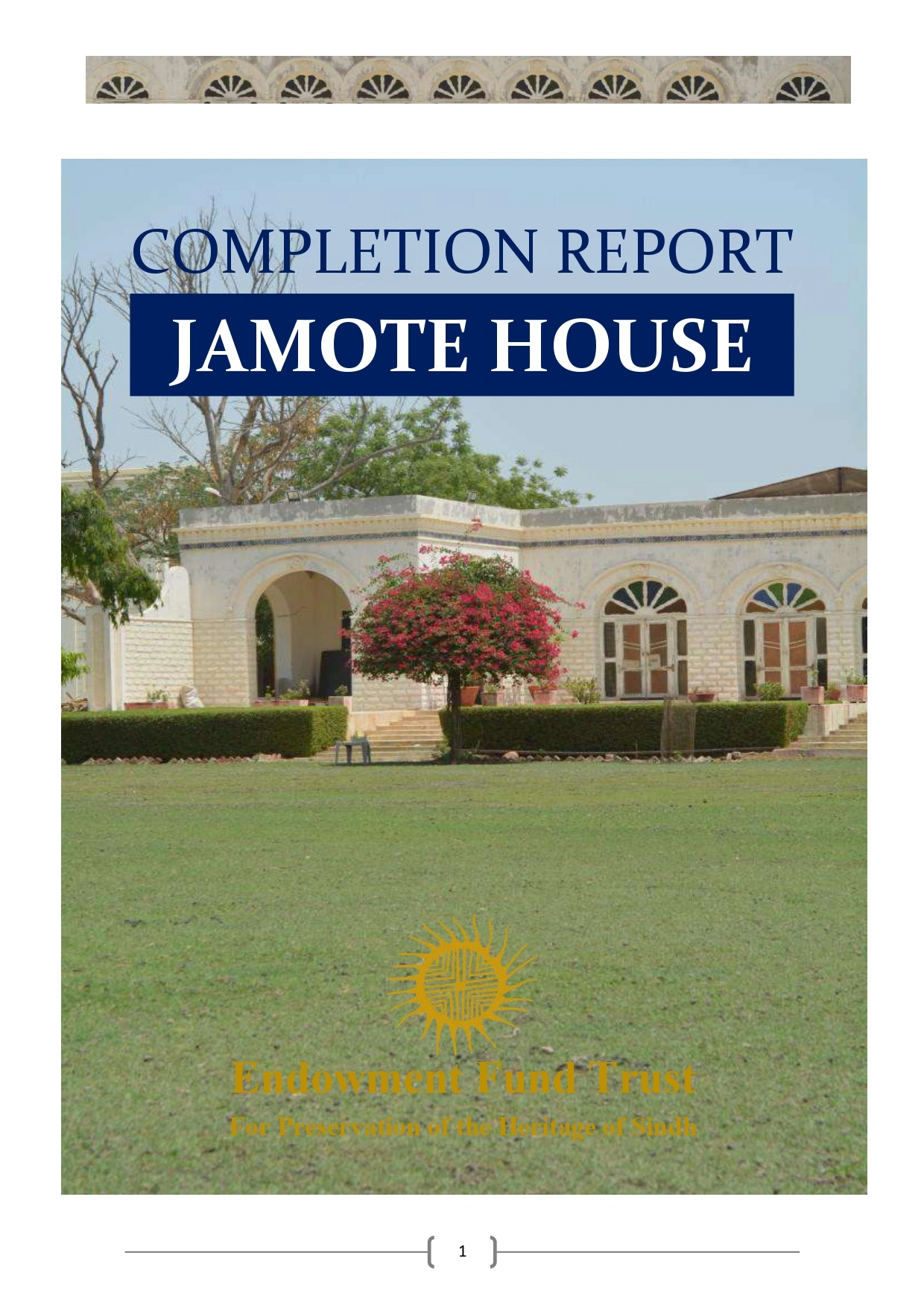
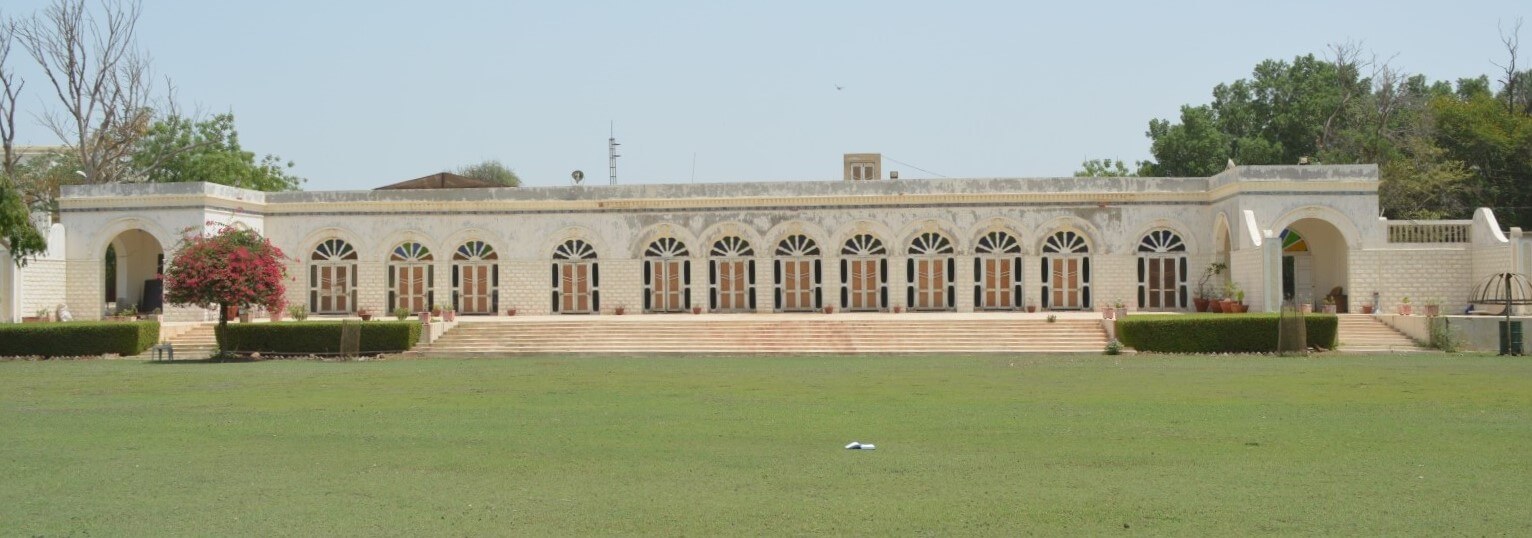
The Jamote House is situated on the lush fertile belt of Matiari. Surrounded by trees, the village is visible along the road leading to the Matiari sugar mill from the highway. Apparently colonial, the structure is a mixture of the traditional Sindhi homestead intermingled with exotic foreign aesthetics. The structure can be divided into two parts for a more in-depth condition report being the original structure and the appendage construction. The original structure is said to be over one and a half century old. Its walls are adorned with the muskets, trophies, pictures of hunts and events circulating around the Jamote family through the ages. The photographs range from the Colonial era monochromes, to post-WW2 Polaroid’s, all the way to the modern DSLR. A sepia-tinted Polaroid photo in the sun-roofed veranda of the appendage structure shows that the structure remained unaltered post-World War 2, during the early sixties. The appendage structure was constructed in later year’s id est. the early eighties.
The Jamote homestead was constructed contemporaneously around the annexation of Sindh in 1843. Hitherto, the Jamote family of Matiari has always been involved in religious as well as political matters of the region even before the British period. Over the course of its years, the Jamote homestead has hosted personalities and dignitaries from all over the world at different times. The timeline is rich with visits of men of distinction, social gatherings and hunts. It is also known that the homestead housed well-known personalities from the many generations of the family that actively took part in regional and state politics with immense contributions. Therefore, the structure is by-far worthy of the emblem of a historic building. The events and personalities circulating around the homestead contribute to the history of Sindh itself. A general of the Talpur army against Charles Napier belonged to the Jamote family. As Matiari is close to the Talpur capital of Hyderabad, it is not surprising that the two families kept correspondence. During the rule of the British, the homestead saw many notable influential British personalities. Among the most notable, a person who dedicated his life to bring the people and culture of Sindh to the international libraries was Hugh Trevor Lambrick. H.T Lambrick wasthe author of the famous book ‘The Terrorist’ and had written about the history and culture of Sindh in two volumes. After the Independence in 1947, many prominent feudal lords, politicians and religious leaders visited the homestead.
The Reginal Office of EFT has recorded the timelines of conversational documentation along with details of projects , conditional reports and before and after phases for all completed projects. Click the report below to view and browse through the report of EFT’s Regional Office